









Piste skis for your rhythm on the downhill
Short turns, wide arcs or a varied day on groomed slopes: Find piste skis that match your skiing style. At FREUDENHAUS Obertauern, you can specifically compare alignment, radius, length, and construction. Your skill level and the usual conditions dictate the direction; the specific set scope and suitable ski boots complete the decision.
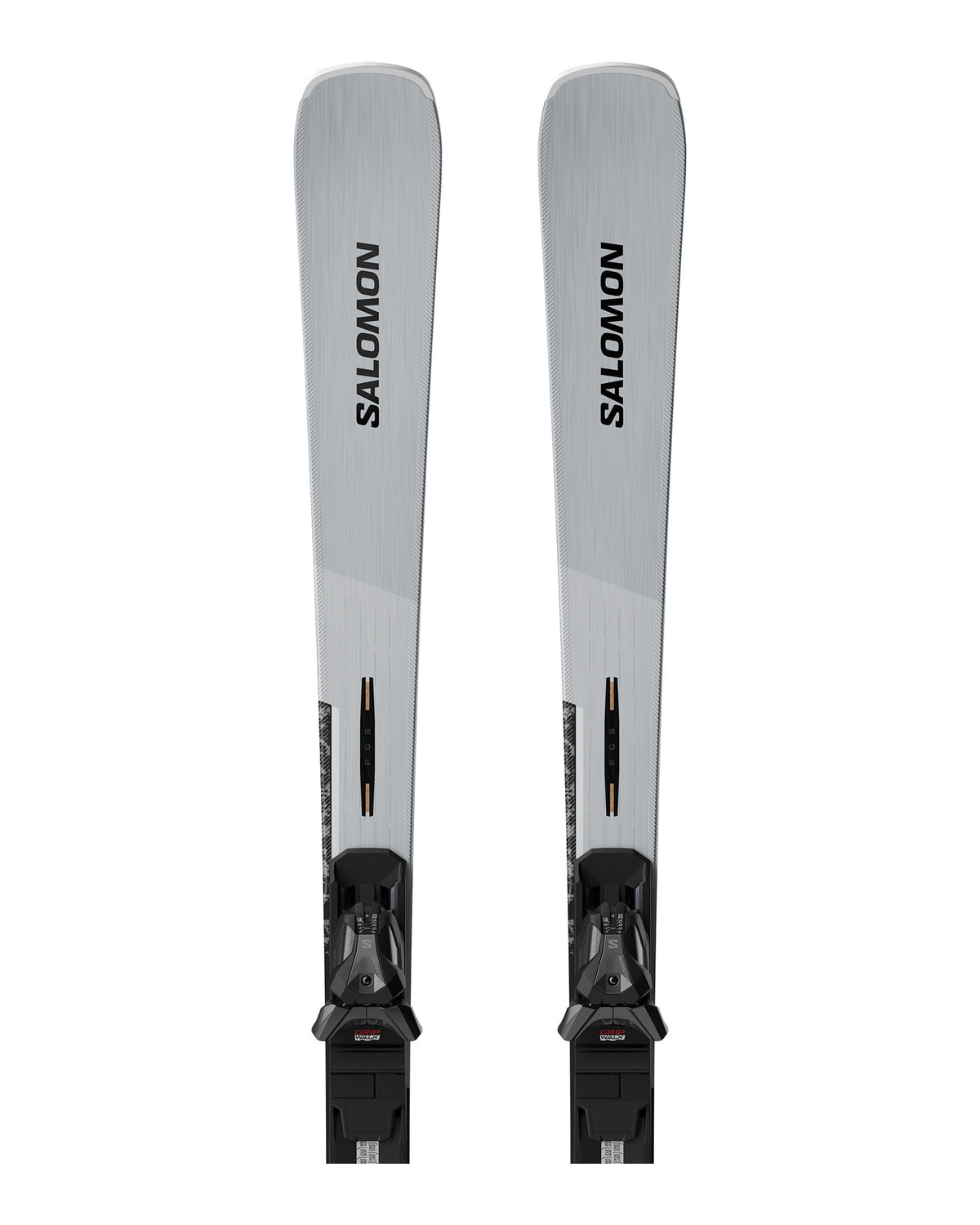




Choosing Piste Skis According to Your Preferred Riding Style
Very different ski days can unfold on groomed slopes. Perhaps you like short, rhythmic turns, perhaps wide arcs, or a combination of both. In addition, there are the piste conditions and your personal experience. A suitable piste ski should take this combination into account. At FREUDENHAUS Obertauern, the comparison therefore begins with your actual riding style and not solely with a sporty model name.
First, describe what you appreciate about your current skis and what you would like to change. Do they feel right for your preferred turns? Do you wish for different feedback or a setup that demands less from you over a long day? Such questions help narrow down the selection. A ski with a stronger racing orientation is not automatically the better solution for everyone who enjoys skiing on the piste.
Distinguishing Between Short Turns and Longer Arcs
A different geometric concept is offered for short turns than for distinctly wide arcs. The sidecut and the corresponding radius help classify this orientation. At the same time, your riding behavior remains crucial. A technical value describes the ski and its intended use, but does not dictate every single turn in an unchangeable form.
Ask yourself what turn length you actually prefer on your usual descents. This also includes space conditions and your control in different situations. It makes sense to choose a model based on the turns you frequently and happily make. A rarely imagined ideal day should not automatically be given more weight than the normal conditions of your ski days.
Understanding Slalom-Oriented Piste Skis
A slalom-oriented ski typically emphasizes short, active turns. Manufacturers often describe such models with a corresponding sporty orientation and certain construction features. A concrete example is the Atomic Redster S9 Revoshock S, which Atomic explicitly positions for short slalom turns. This is a classification of this model and not a general promise that every product with a similar name has the same requirements.
If you are interested in this direction, include your technique and the desired intensity. A dynamic model can appeal to a very conscious riding feeling, but it must suit your ability and fitness. Therefore, do not only compare the appeal of a quick reaction, but also how you want to spend an entire ski day. The right orientation should support your actual use.
Classifying Giant Slalom-Oriented Concepts
Other piste skis are designed more for longer turns. Atomic describes the Redster G8 Revoshock C, for example, with a focus on large giant slalom arcs. Compared to a short-turn-oriented concept, a different preferred line is thus in the foreground. Such manufacturer examples help to make different tasks visible, without deriving a blanket recommendation for every person.
Consider whether you actually ski this turn shape regularly on the slopes you usually use. A suitable ski can be oriented towards your preference, but it should also match the actual conditions and your controlled riding behavior. The name from racing describes an inspiration or orientation; it does not replace a review of the exact model version and target group.
Versatile Piste Skis for Changing Turn Shapes
If you don't want to commit to a distinctly short or long turn orientation, more versatile described piste concepts are worth comparing. Atomic explains a multi-radius approach for different turn shapes with the Redster X5. What is crucial here is how the manufacturer classifies the complete model and which properties match your experience. A versatile concept is not automatically equally suitable for every skill level.
Such models can be particularly interesting if your daily routine includes changing preferences: some consciously carved turns, calmer sections, and varying amounts of space. Nevertheless, define a focus. The statement of skiing a little bit of everything becomes more helpful if you add what is particularly important to you. Do you want direct feedback, a certain agility, or relaxed accompaniment over many descents?
Considering Piste Conditions Throughout the Day
Groomed pistes do not remain the same every day and at every time. A firm surface in the morning can feel different during the day, and different sections can place different demands. Manufacturers sometimes develop their own, somewhat broader piste concepts for this. Atomic describes the Redster Q5, for example, as a versatile piste ski for changing conditions with its own geometric orientation.
This classification is helpful if you frequently experience exactly such changes. However, it does not automatically make a piste ski an unconditionally off-road suitable model. If you consciously want to combine several areas of use, additionally compare all-mountain skis. There, the focus between piste and other conditions is weighted differently. The suitable category arises from your use, not from the desire for the most comprehensive label possible.
Always Assign Radius Specifications to the Correct Length
A model name can include several lengths, whose geometry is not completely identical. In the Atomic Redster S9 example, the manufacturer specifies different radii depending on the length. If you take a number from a general description, you should therefore check which variant it belongs to. A comparison between two skis only becomes meaningful when the actual versions are clear.
Even a single radius does not explain the entire construction. Some manufacturers use multiple radius areas or combine specific geometries with other profile features. Read the specifications in context and ask if different representations are difficult to compare. The simplest number on a product page does not have to be the most meaningful difference between two suitable concepts.
Considering Smoothness, Feedback, and Power Requirements Together
Terms like smoothness or sporty feedback describe desired properties, but they can be implemented differently depending on the construction. A ski with a more direct character can be more oriented towards an active riding style. Another model places more emphasis on a less demanding use. The right choice is not automatically at the top end of a product range, but with the right connection to your ability and preferences.
Therefore, describe concrete experiences as precisely as possible in a professional consultation. Was your previous ski pleasant for certain turns, but difficult to classify for others? Do you want to ski longer in a relaxed manner or specifically aim for a sportier orientation? Such statements help to relate manufacturer terms to your use. They prevent material names or a price level alone from becoming the representative decision for the riding feeling.
Matching Ski Length with Ability, Physique, and Model
Body height is an important starting point, but not a complete length formula. Weight, experience, preferred turn shape, and the specific ski version are also part of it. A shorter or longer ski within the same family can weight the orientation differently. Therefore, the appropriate recommendations should always refer to the chosen model.
Do not choose exclusively based on the length of your previous pair. Perhaps you are simultaneously changing to a different geometry or construction. Likewise, a planned personal development is no reason to choose an obviously unsuitable orientation today. A professional classification can take your current prerequisites and your goals into account together. For this, honest information about experience is more helpful than choosing the most ambitious skill designation possible.
Factually Comparing Women's Skis, Men's Skis, and Unisex
A gender-specific classification can be associated with design, size range, or a specific product development. For individual selection, however, the actual length, construction, and target group remain decisive. A label alone does not say which ski suits your physique and riding style. Therefore, compare the properties of the specific model and the respective manufacturer recommendations.
Different lines can also exist within a brand world. A familiar name should therefore not lead to treating all models of the same family equally. Check the exact version and classify it according to the same questions as other skis: desired turns, conditions, personal ability, and the complete setup. This keeps the comparison comprehensible and individual.
Bindings, Plates, and Boots are Part of the Offer
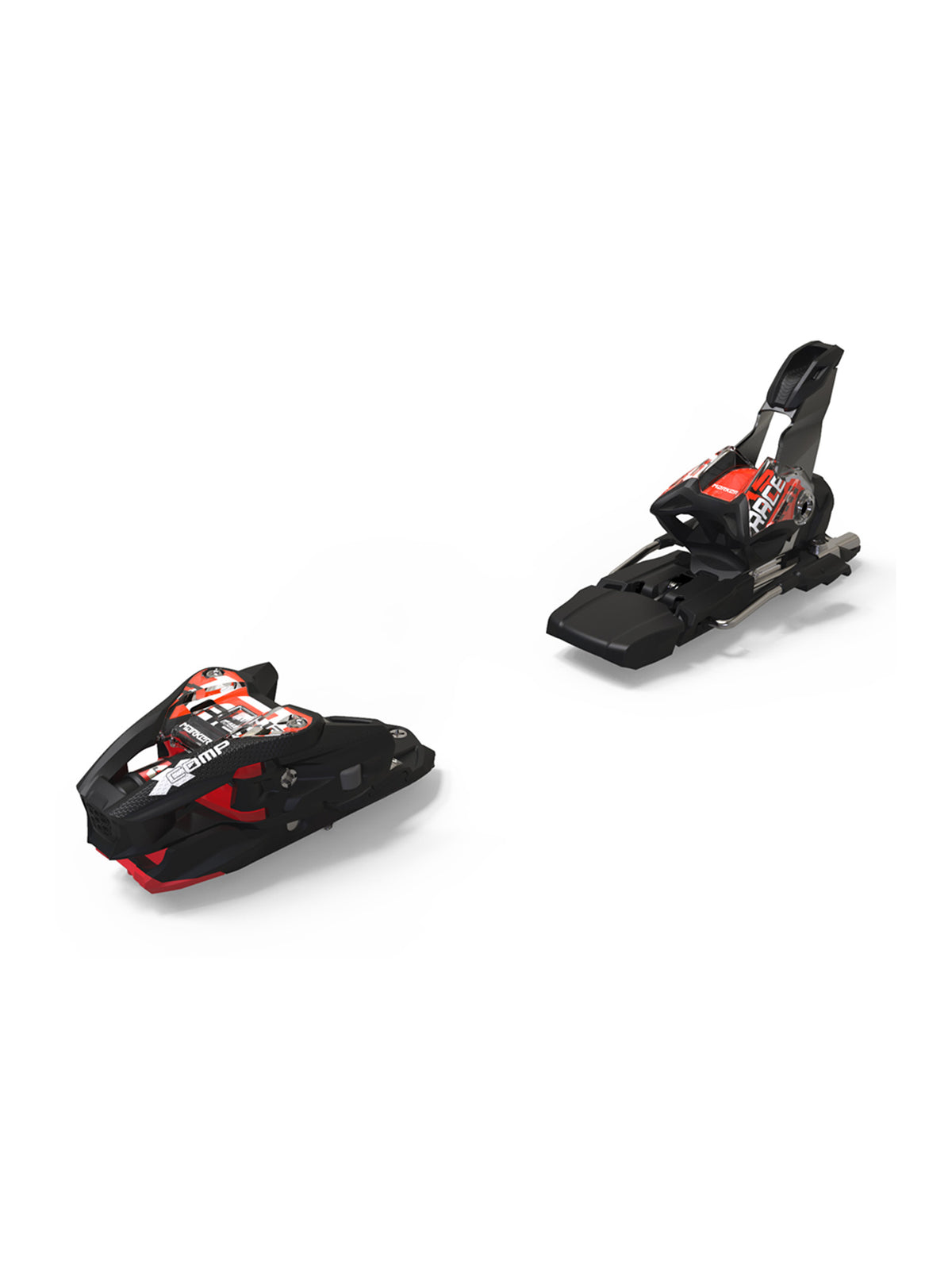
For piste skis, a specific binding or plate system is often mentioned as part of the execution. Check which components are actually included and which connection is intended. A separately presented ski binding is not automatically a complete ski offer. Conversely, a ski set does not yet describe every necessary setting for your personal use.
The ski boots must match the system with regard to their designated sole design and other relevant features. Compile the data of existing boots if you want to continue using them. Mounting, adjustment, and function testing are carried out by qualified specialists. A common brand or an entry that appears outwardly suitable is no substitute for confirmed compatibility and professional testing.
Comparing Prices Only with the Same Scope of Delivery
A price comparison becomes clearer when skis, length, and included components are clearly contrasted. An offer without bindings is to be classified differently than a defined package. Model version and technical execution should also match before you speak of the same product. Additional services only count for comparison if they are explicitly mentioned in the respective offer.
Also consider which existing parts can be reused. This cannot be derived solely from their age or brand name, but requires concrete professional classification. A comprehensible overall comparison can therefore lead to a different decision than looking at the lowest visible number. The goal is a suitable, fully tested setup for your use.
Considering Existing Equipment and Condition
If you are replacing a ski, it is worth taking an organized look at the rest of your equipment. Have your boots or their design changed? Is the necessary information about bindings and the previous system available? Such information helps to prepare the selection and subsequent testing. These should be clarified before a beautiful individual product becomes a supposedly finished combination.
Care and service depend on condition, use, and manufacturer's instructions. Do not derive a general processing instruction for edges or base from a specific model name. If you are planning a professional service, clarify the required scope concretely. A good product selection and a well-maintained system complement each other, but remain different tasks.
With a Clear Profile to the Right Piste Ski
Finally, summarize your priorities in a few points: preferred turn shape, usual piste conditions, experience, and desired intensity. Then compare some suitable models including length and scope of delivery. The Atomic brand world can offer an entry point for certain lines; the piste ski category, however, keeps the comparison of different concepts open.
Choose the ski whose purpose can be most clearly justified for you. A suitable model does not have to tell the most striking racing story or have the longest material list. It should suit your controlled movements, your preferred rhythm, and the days you actually want to spend on the piste.
04At FREUDENHAUS
05Questions about the category