





Choosing Women's Ski Jackets by Construction, Fit, and Style
Women's ski jackets need to accommodate your ski day and the layers beneath. Compare insulated models and outer shell constructions based on need, movement, and handling. Shoulder room, collar, length, and sleeve cuffs are just as important as your desired silhouette. This way, you'll find a jacket that can be sensibly paired with pants, helmet, and gloves.








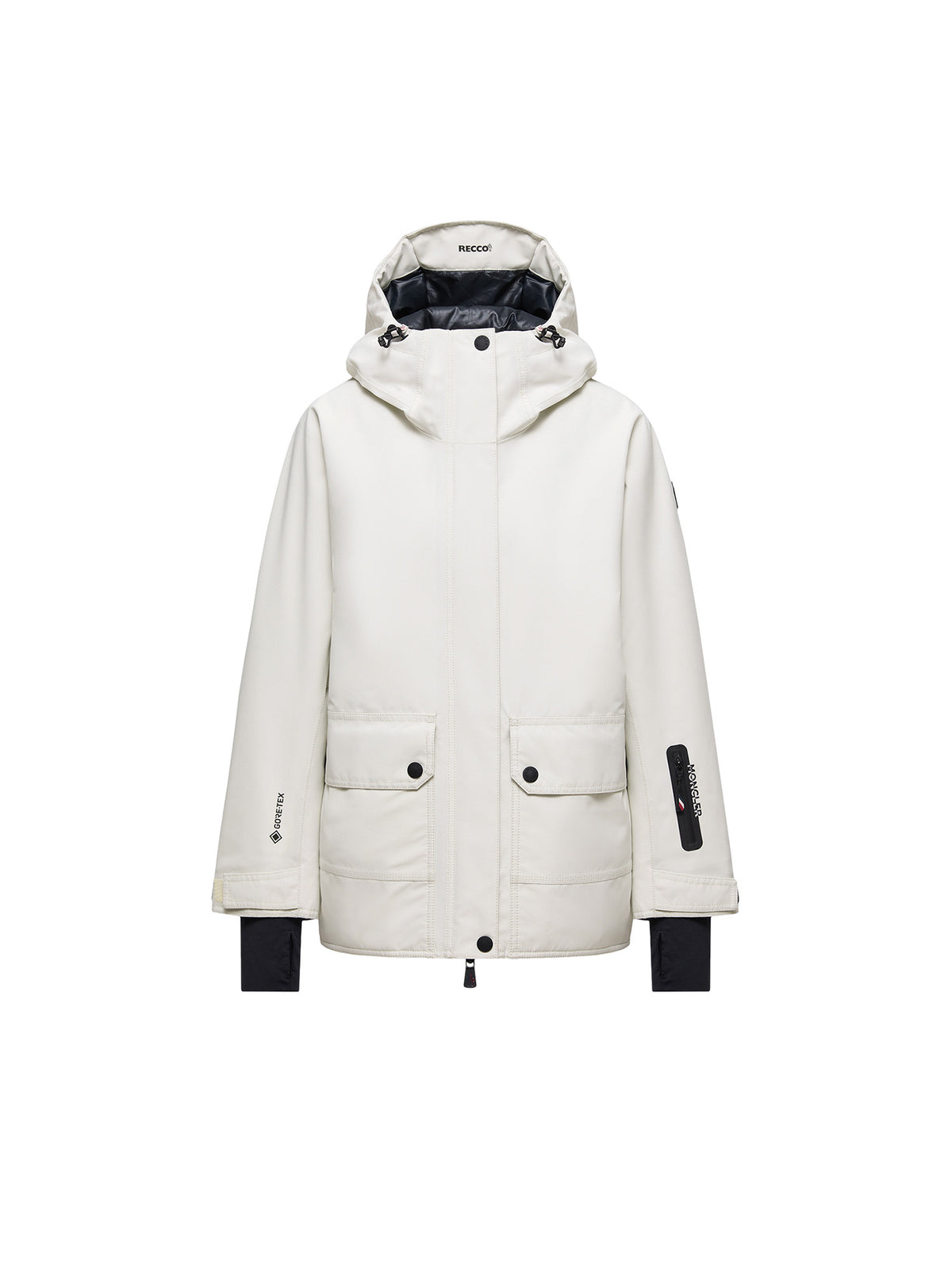
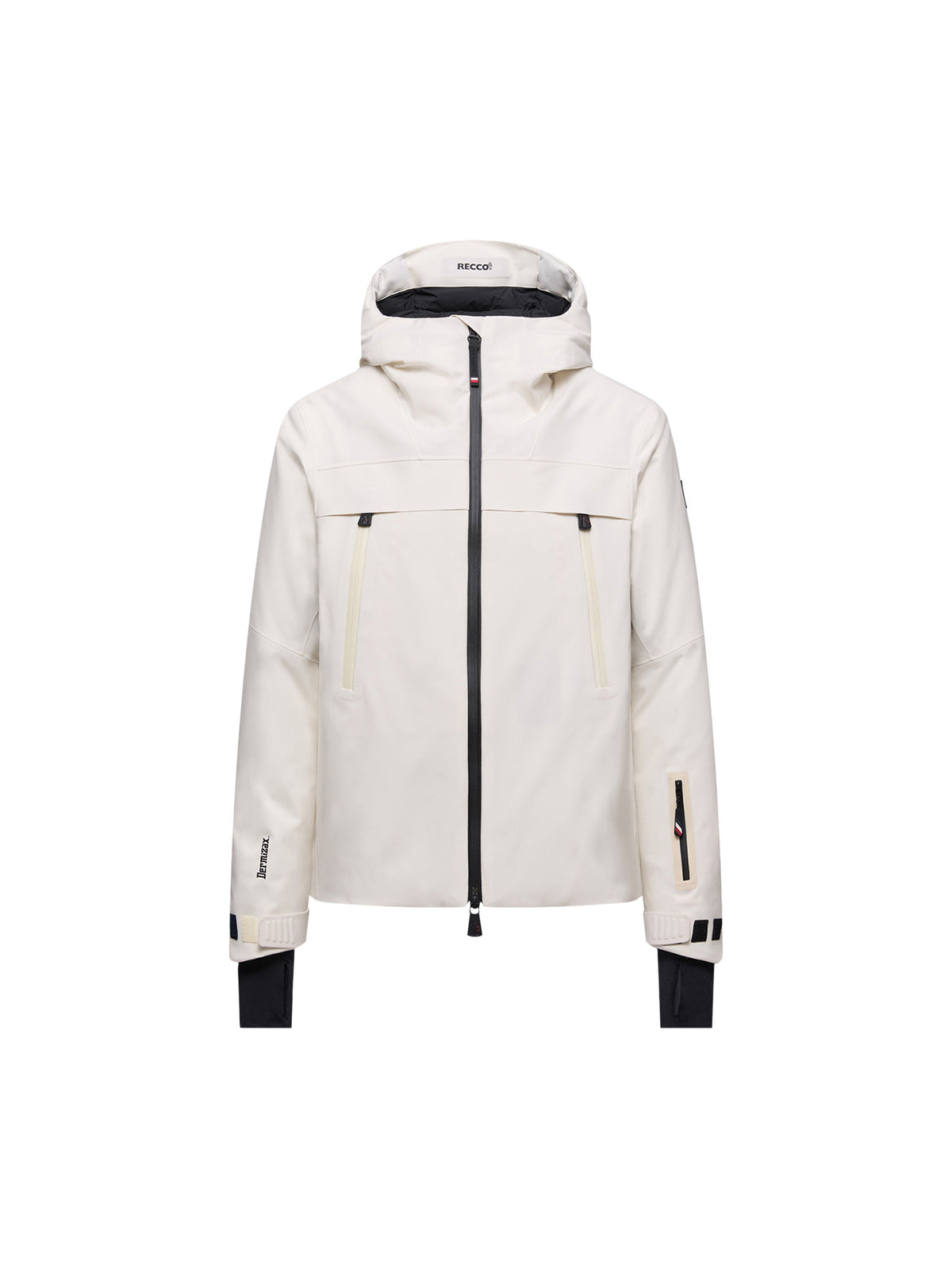
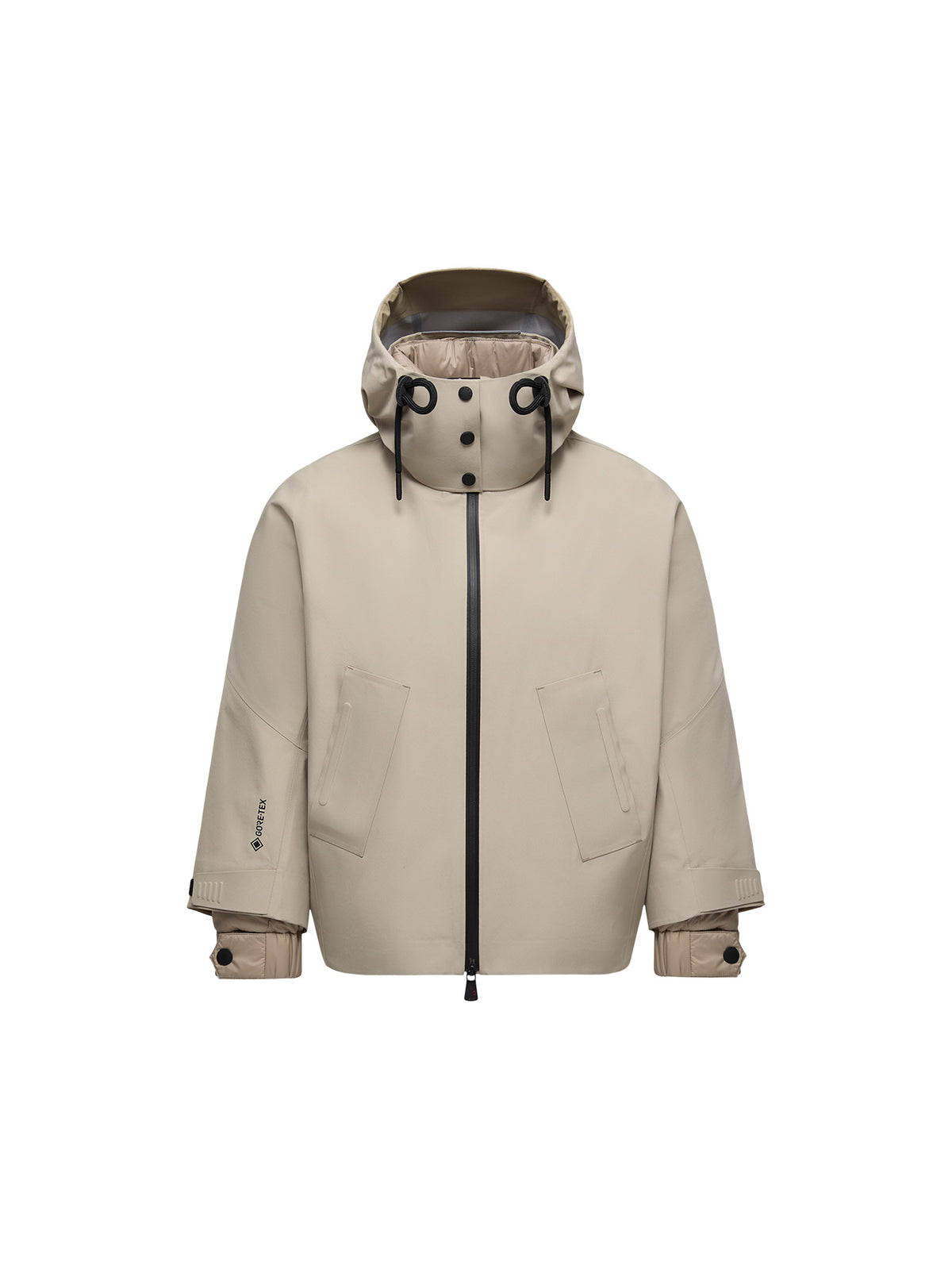
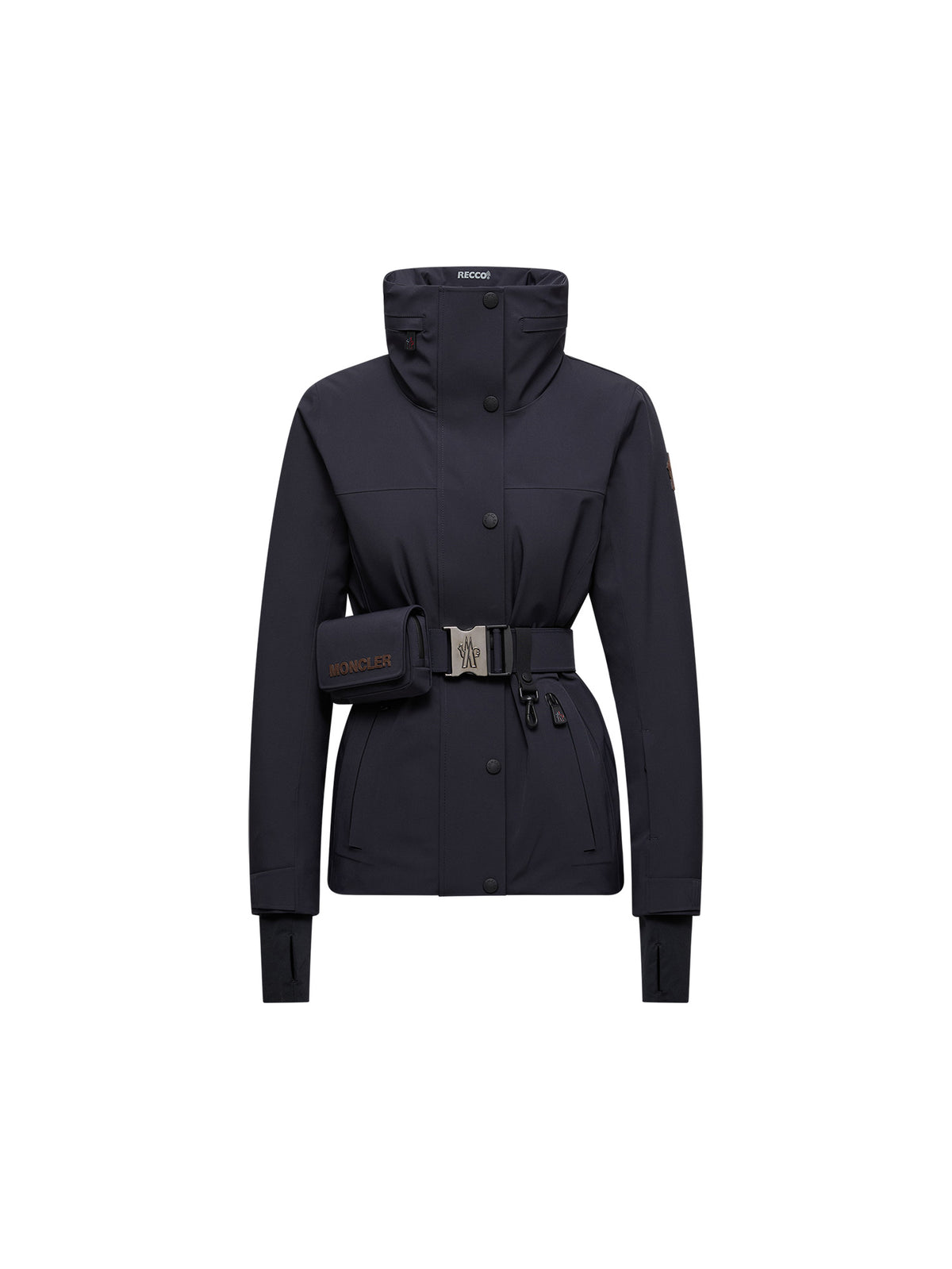
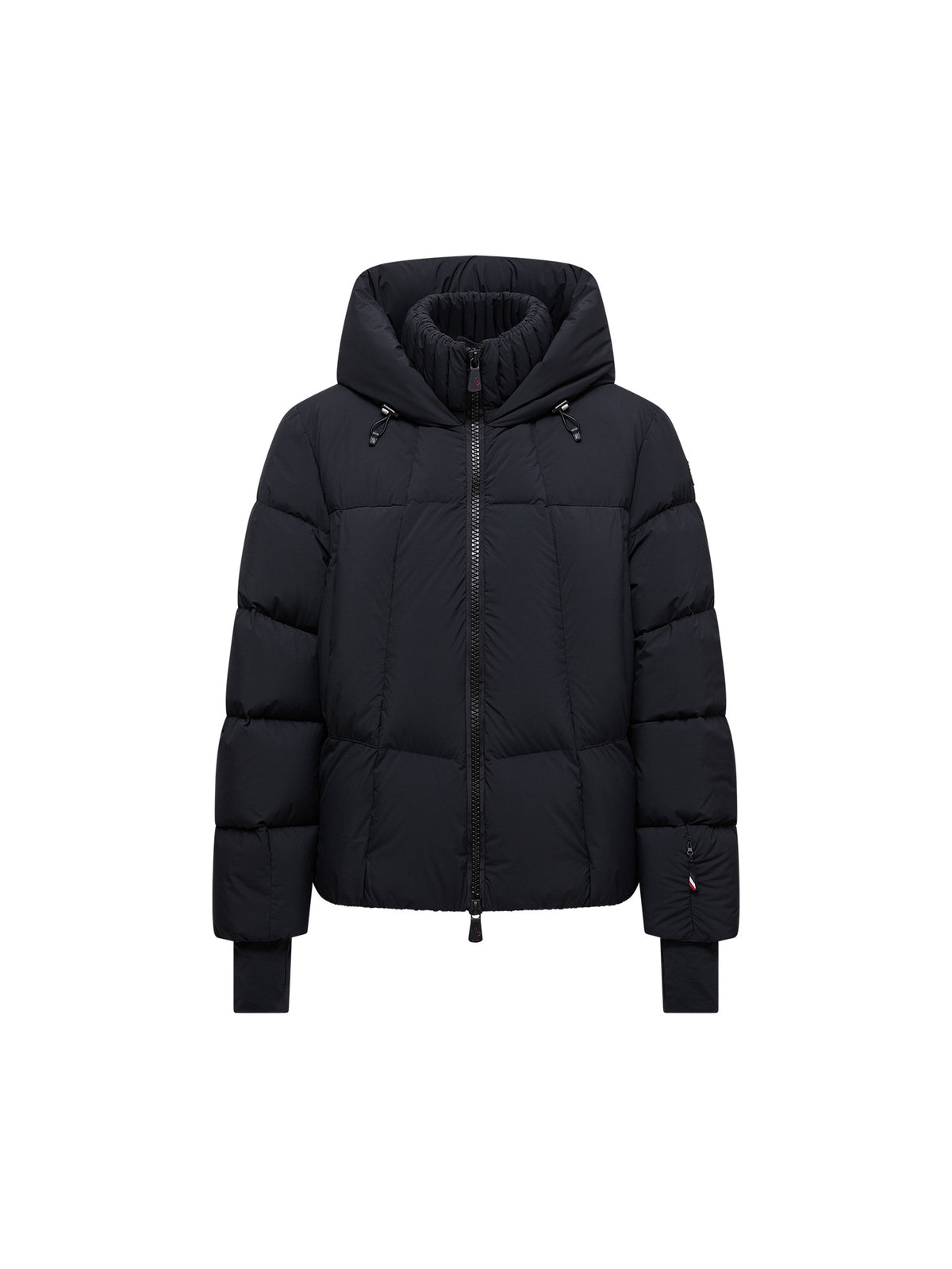
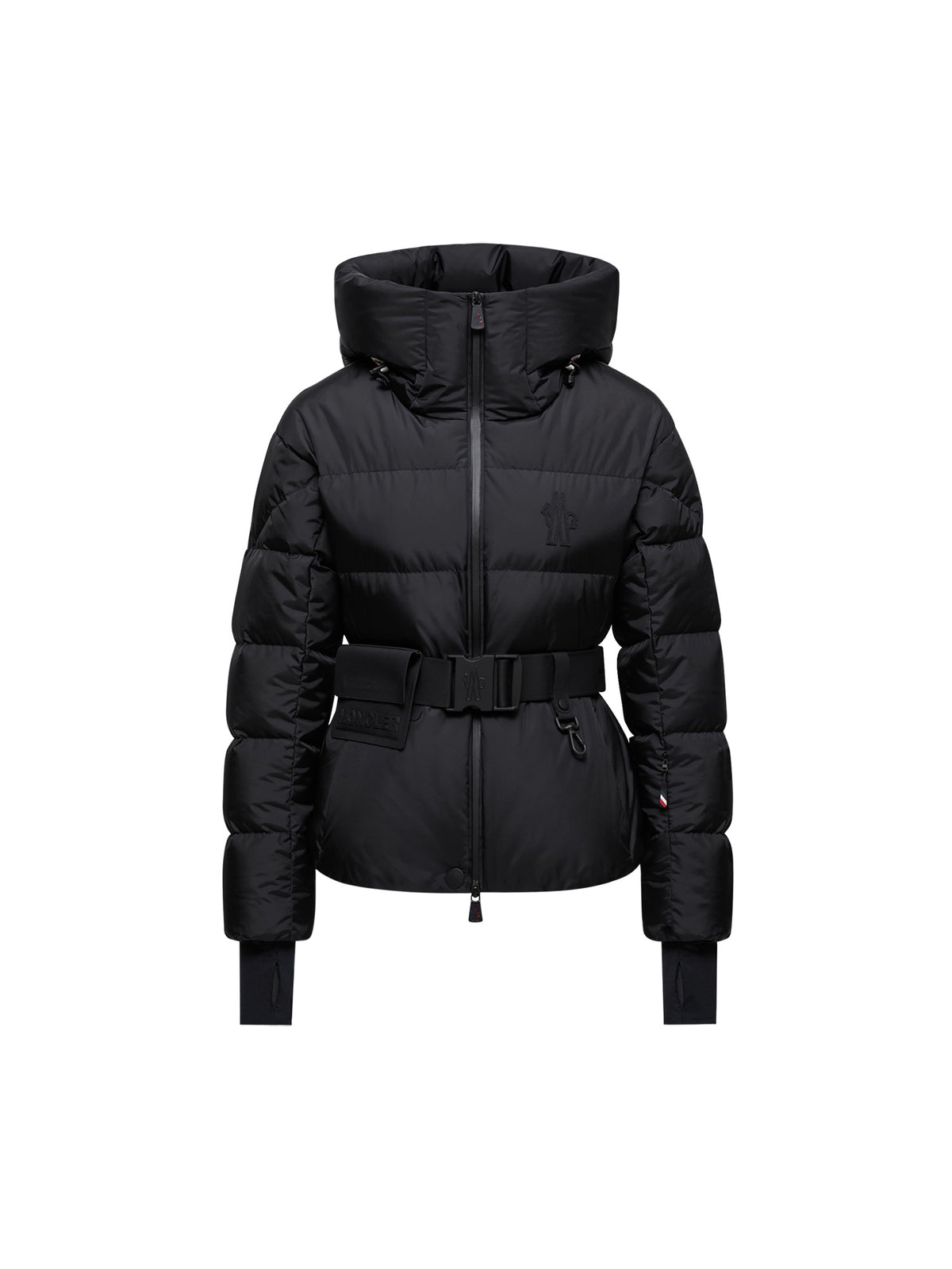
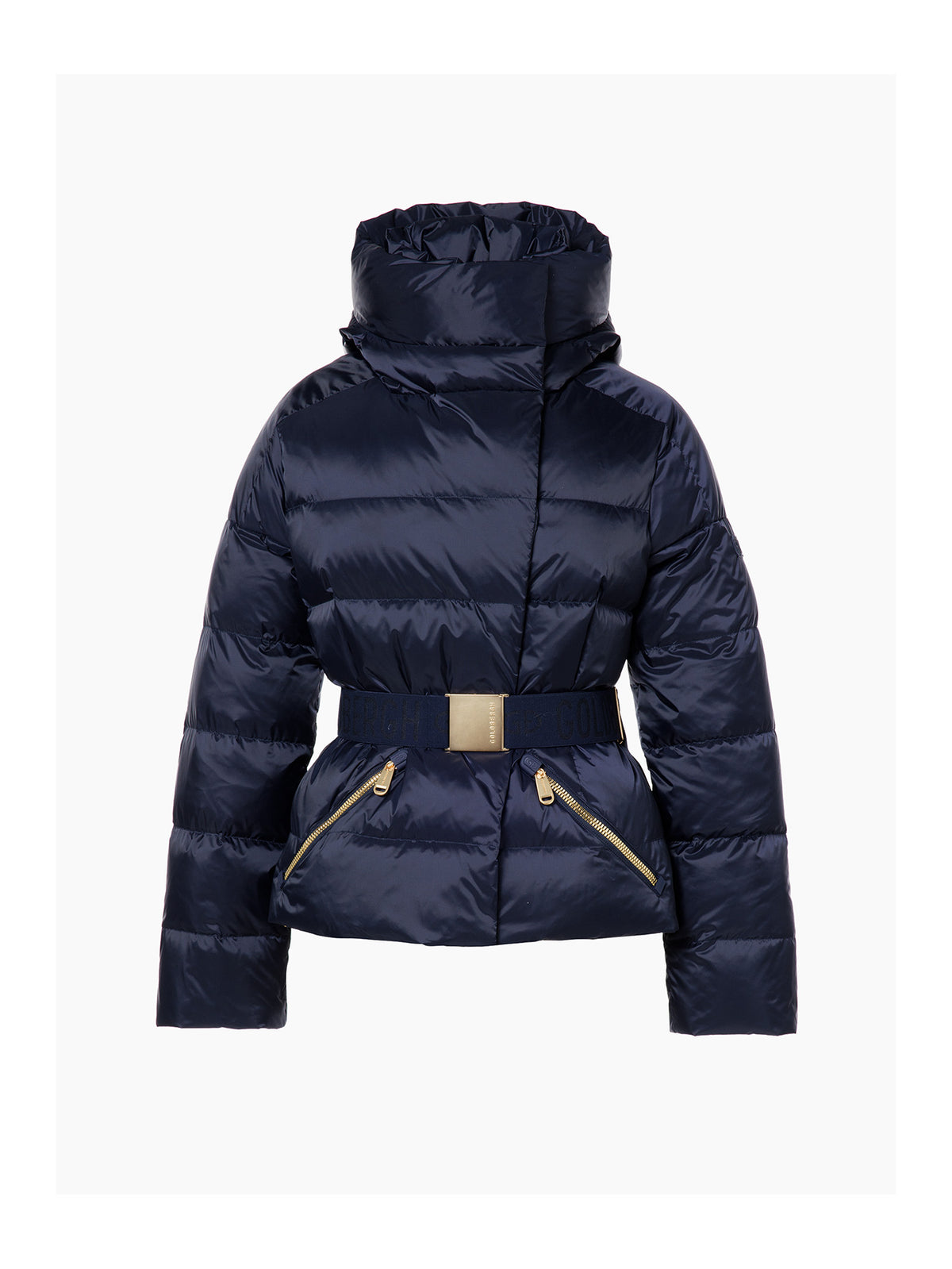
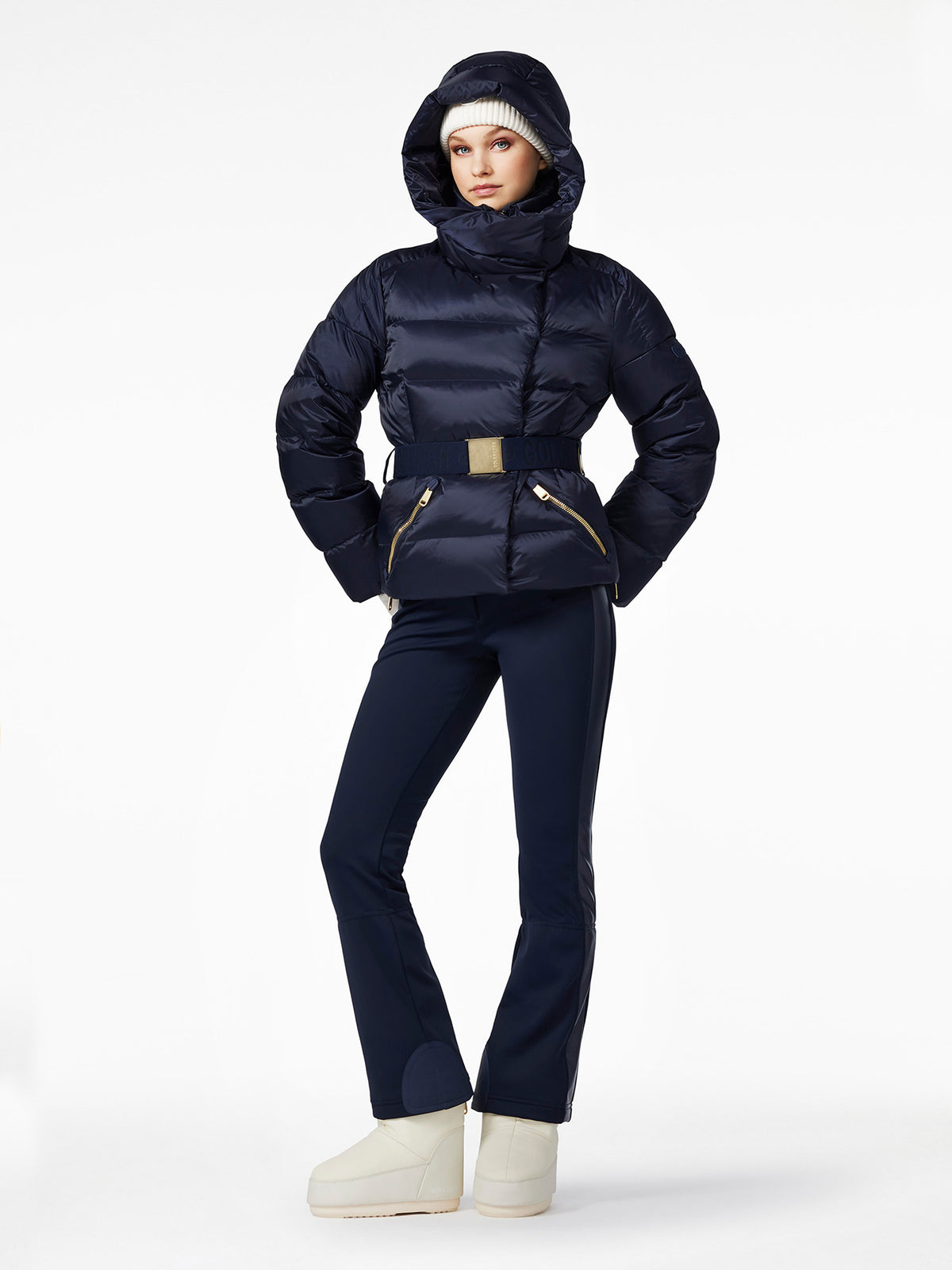


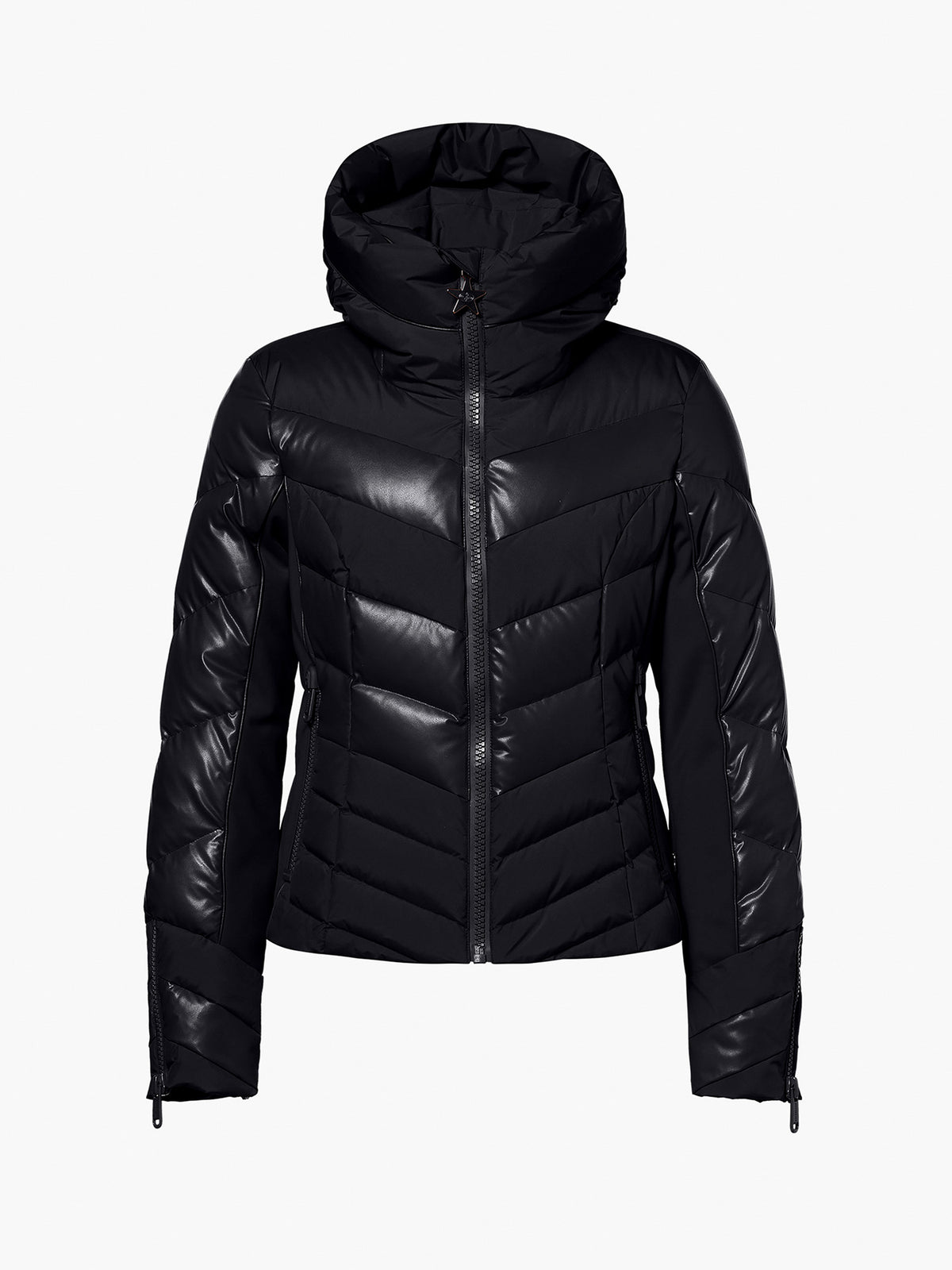
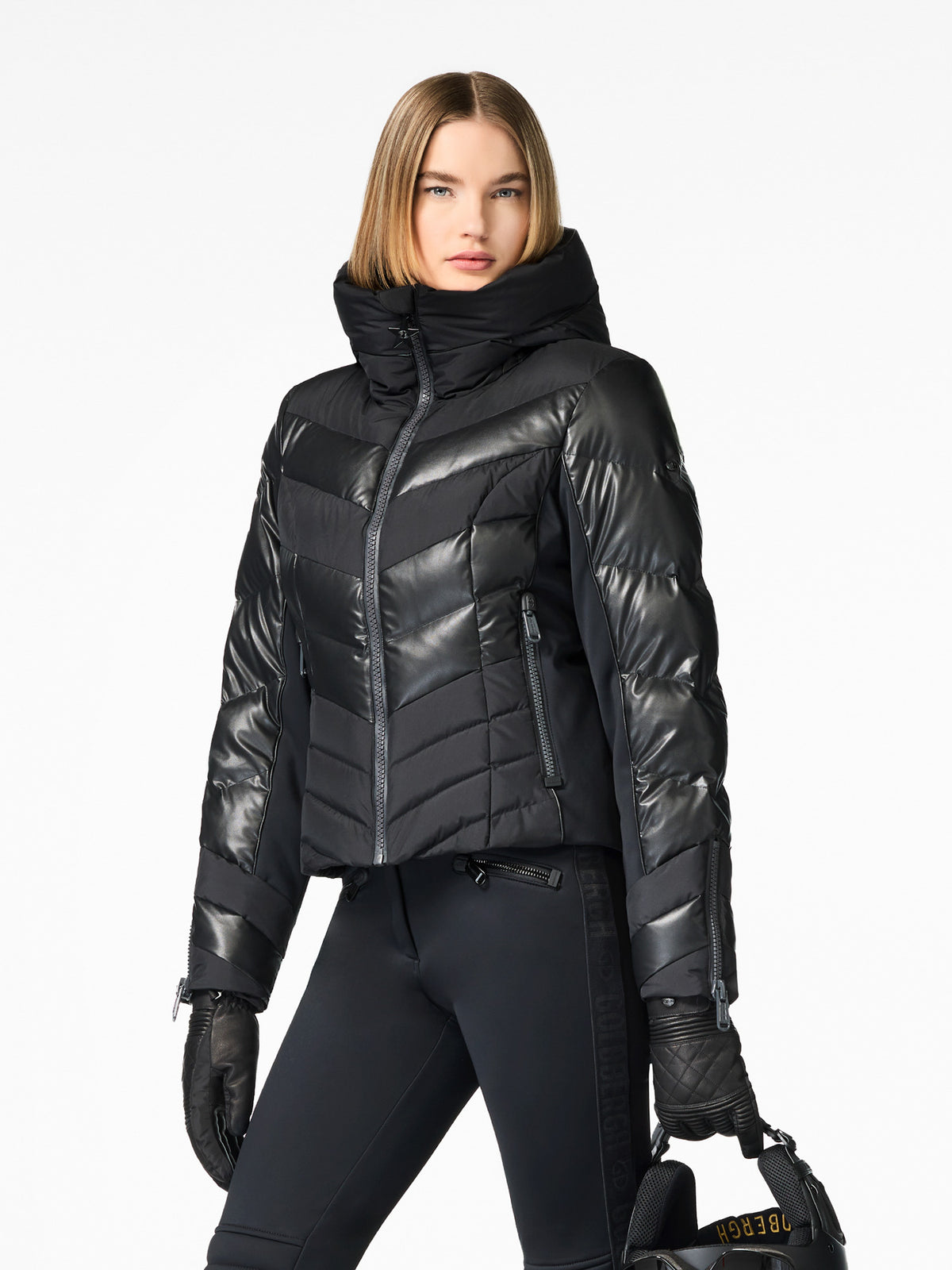
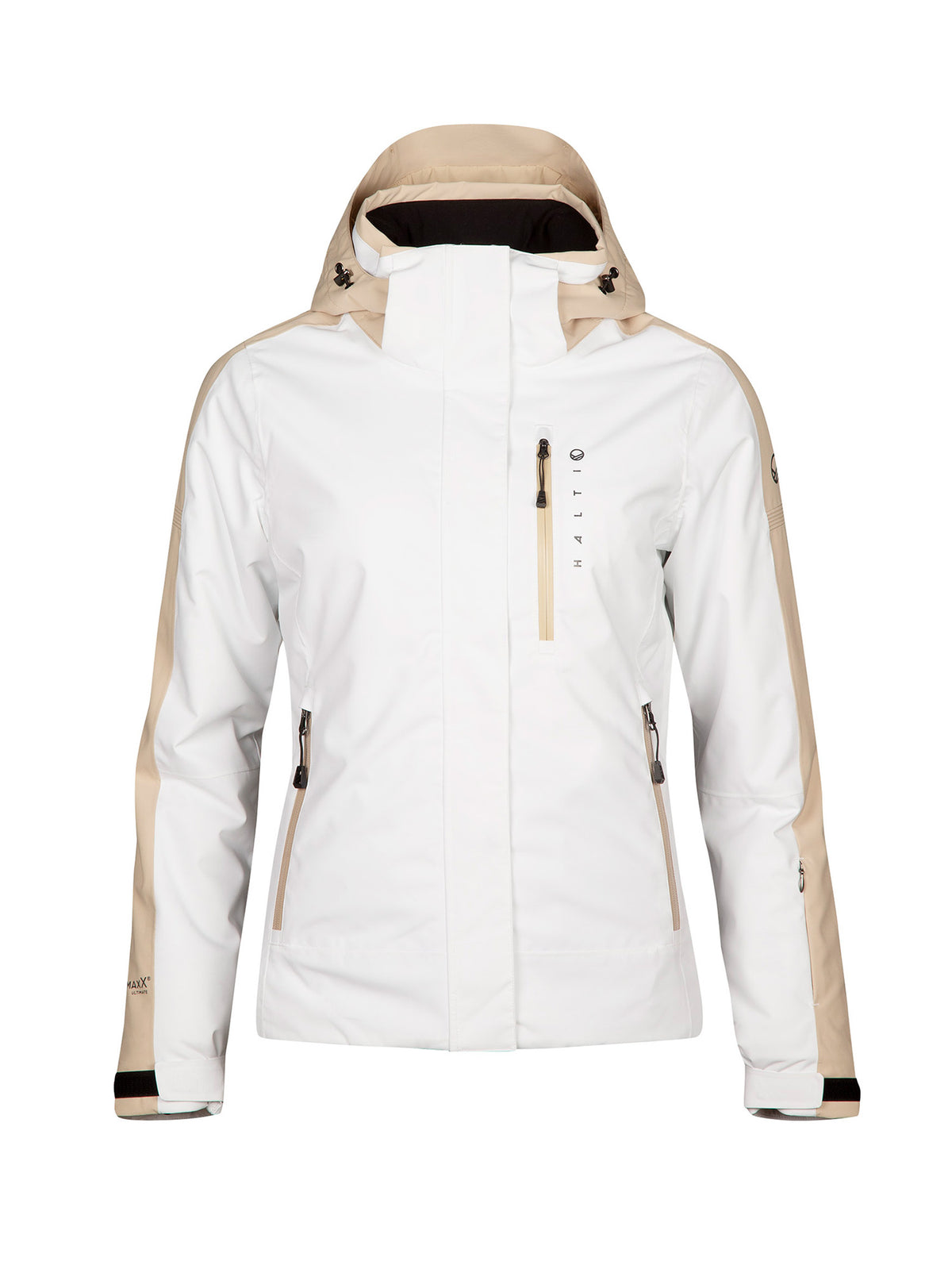


The right women's ski jacket starts with your ski day
A ski jacket should match your layering system and your movement. The crucial factor is therefore first how you intend to use it. Do you move intensely and want flexible regulation, or are you looking for a jacket with a clear insulating layer of its own? How much time do you spend moving and taking breaks? These questions help you to meaningfully compare different constructions before color and silhouette become the deciding factors.
Your existing clothing also provides concrete clues. Perhaps you like the length of your jacket, while you are looking for a different solution for the collar. Or the shoulder area fits well, but there is no room for the mid-layer. Describe such experiences as precisely as possible. A new jacket does not have to be different in every respect. Often, the choice becomes clearer if you retain proven features and specifically change an unsuitable area.
Building insulated jackets and shells differently
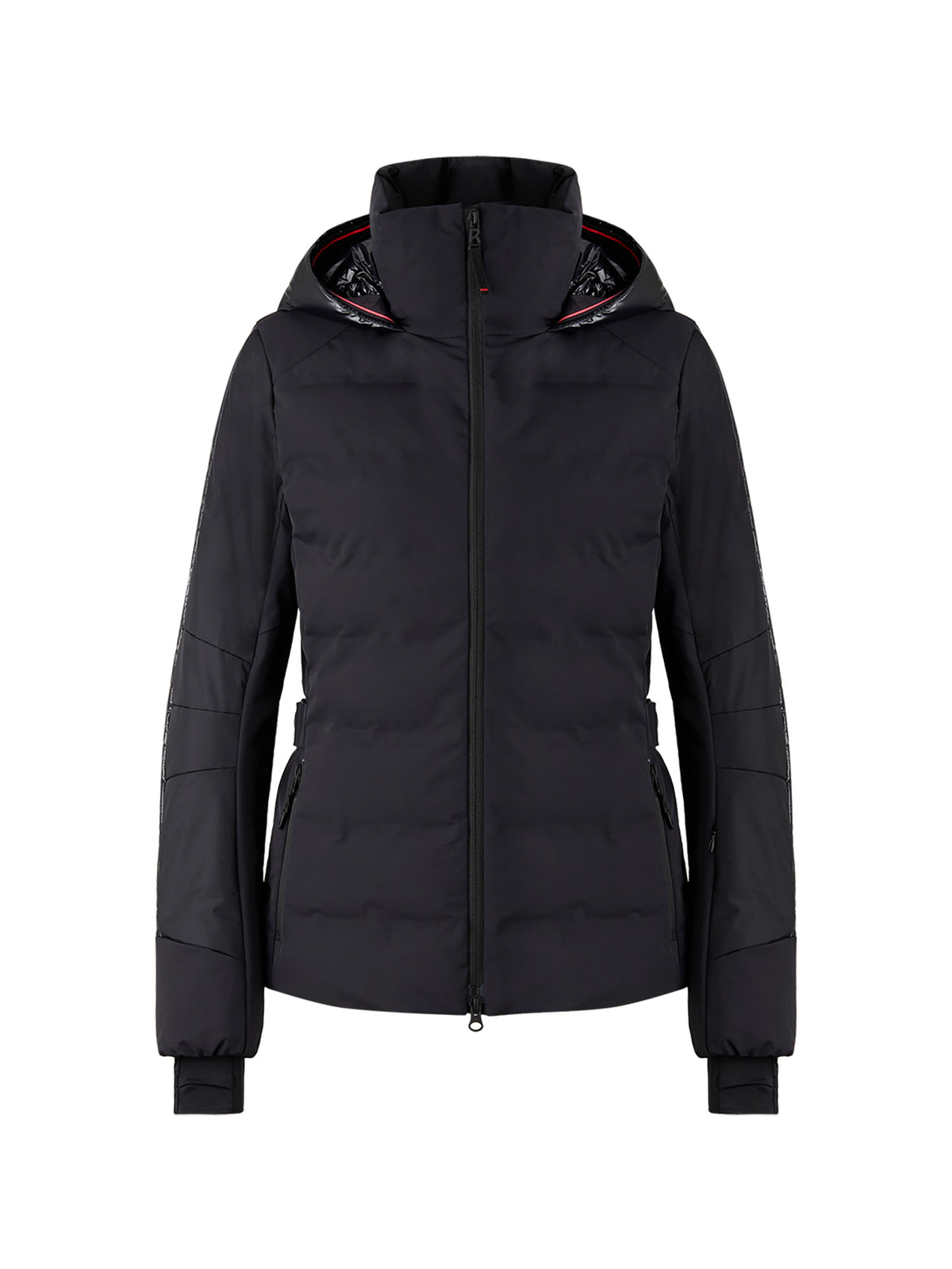
An insulated ski jacket comes with its own insulating layer. A shell is more strongly combined as an outer layer with separate layers underneath. These concepts change how you assemble and regulate your outfit. More inherent volume can be useful for your needs, but requires space in the overall cut. A lighter outer construction, in turn, requires a carefully selected combination underneath. Neither option is a better choice independent of your use.
Therefore, compare the jacket together with the planned mid-layer. A heavily filled jacket and a very voluminous mid-layer can restrict each other at the shoulders and arms. A shell over a very thin layer can result in a different thermal build-up than you are looking for. With women's mid-layers, you can select suitable additions after you have defined the task of your outer jacket.
If you want to use the outer layer as flexibly as possible, a women's hardshell explicitly designed for this purpose can be a separate direction for comparison. Evaluate it according to the specific construction and not solely by the English term. The choice between different jackets begins with their intended construction; individual technical terms only help when they are assigned to your actual needs.
Comparing weather specifications concretely instead of generally
Water-repellent and waterproof are different statements. An outer treatment can cause water to bead off, while a waterproof construction consists of a more extensive build-up. Do not transfer these properties from one jacket to another just because both look similar or come from the same brand. The decisive factors are the specifications of the specific design, including its workmanship and intended use.
A membrane designation alone does not replace the consideration of the finished garment. Seams, closures, and various material areas also belong to the construction. Pay attention to which features are actually described and which you merely infer from an image. You do not need the longest possible technical list. A clear assignment is more helpful: Which property do you need, and on which model is it demonstrably specified?
The term breathable is also not a guarantee that you will always have the same body feeling regardless of activity and layers. The entire construction plays a role. Therefore, also choose according to options for intended regulation and for space for suitable lower layers. A jacket becomes more meaningfully comparable if you consider function, cut, and handling together, instead of just highlighting a single keyword.
Checking shoulders and arms with your movements
A well-fitting ski jacket must allow room when your arms are held forward. Try it on closed with the planned layers and move your arms in different directions. Pay attention to whether your back feels tight, the armpit area pinches, or the entire hem is pulled up sharply. The impression when standing upright can differ significantly from this movement. Therefore, active trying on is part of the basic decision.
Also compare the sleeve width. A voluminous mid-layer can bulk up under a narrow sleeve, even if the torso width is comfortable. An additional jacket size may also change the shoulder and length and is not automatically the best solution. Sometimes a different cut fits better. Look for freedom of movement in the areas where it is needed, instead of choosing as much width as possible everywhere.
If you frequently use the jacket with a backpack or other intended equipment, this combination should also be taken into account. Pockets and seams can lie differently underneath. The appropriate equipment depends on the specific use; a pure piste jacket does not have to meet the same priorities as a jacket for a different activity. First decide which use is actually important for you.
Matching length and waist to ski pants
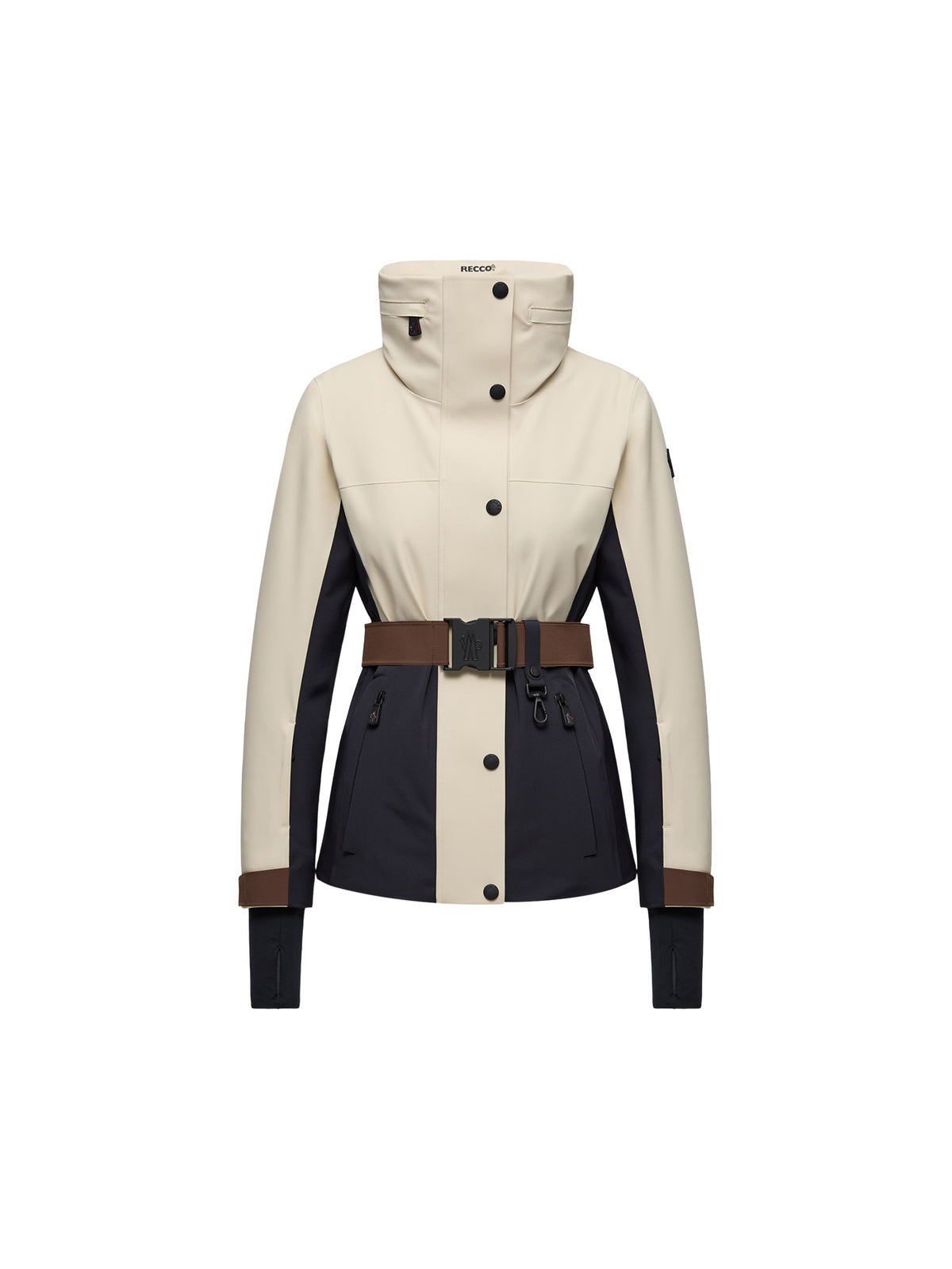
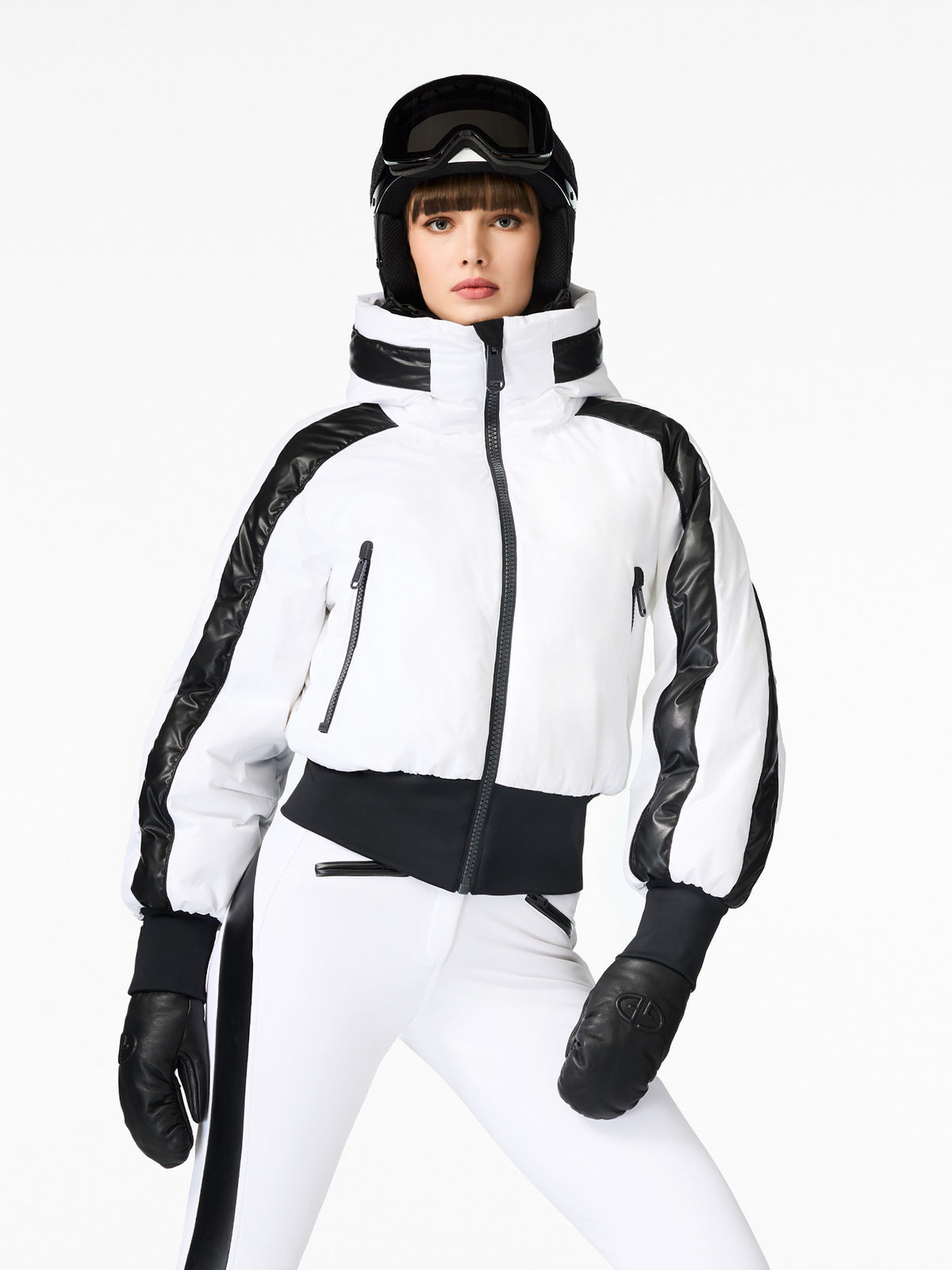
A shorter jacket reveals more of the waistband of the pants, while a longer one covers the transition differently. Check the connection when sitting and bending. The desired silhouette should maintain its function not only in an upright pose. For tailored models, it also matters where the shaping sits on the body and whether your layers have space underneath. An emphasized waist is a cut decision and not a reason for uncomfortable pulling.
With women's ski pants, you can complement different waistband heights and leg lines. Narrow pants create a different accent under a voluminous jacket than a generous overall silhouette. Both variants can be deliberately designed. Make sure that the proportion results from suitable garments and is not forced by an artificially small or large size.
An adjustment option at the hem or waist can regulate the intended fit, but it does not arbitrarily change the entire construction. If the shoulder, chest, or hips do not fit, tightening more in another area does not completely solve the problem. Then compare different cuts. A well-fitting jacket can be worn in its intended shape without you constantly wanting to readjust its fit.
Evaluating collar and hood with helmet
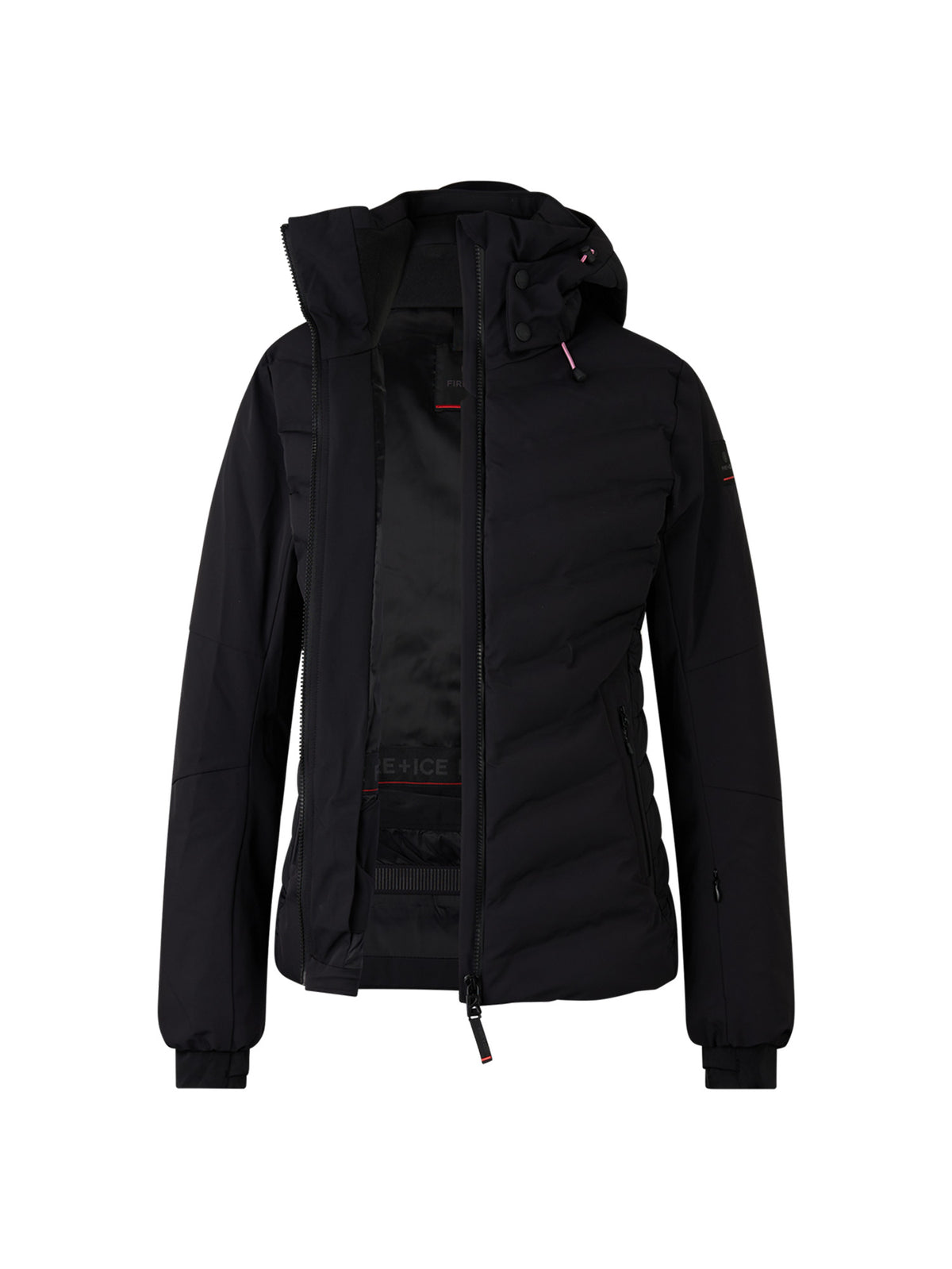
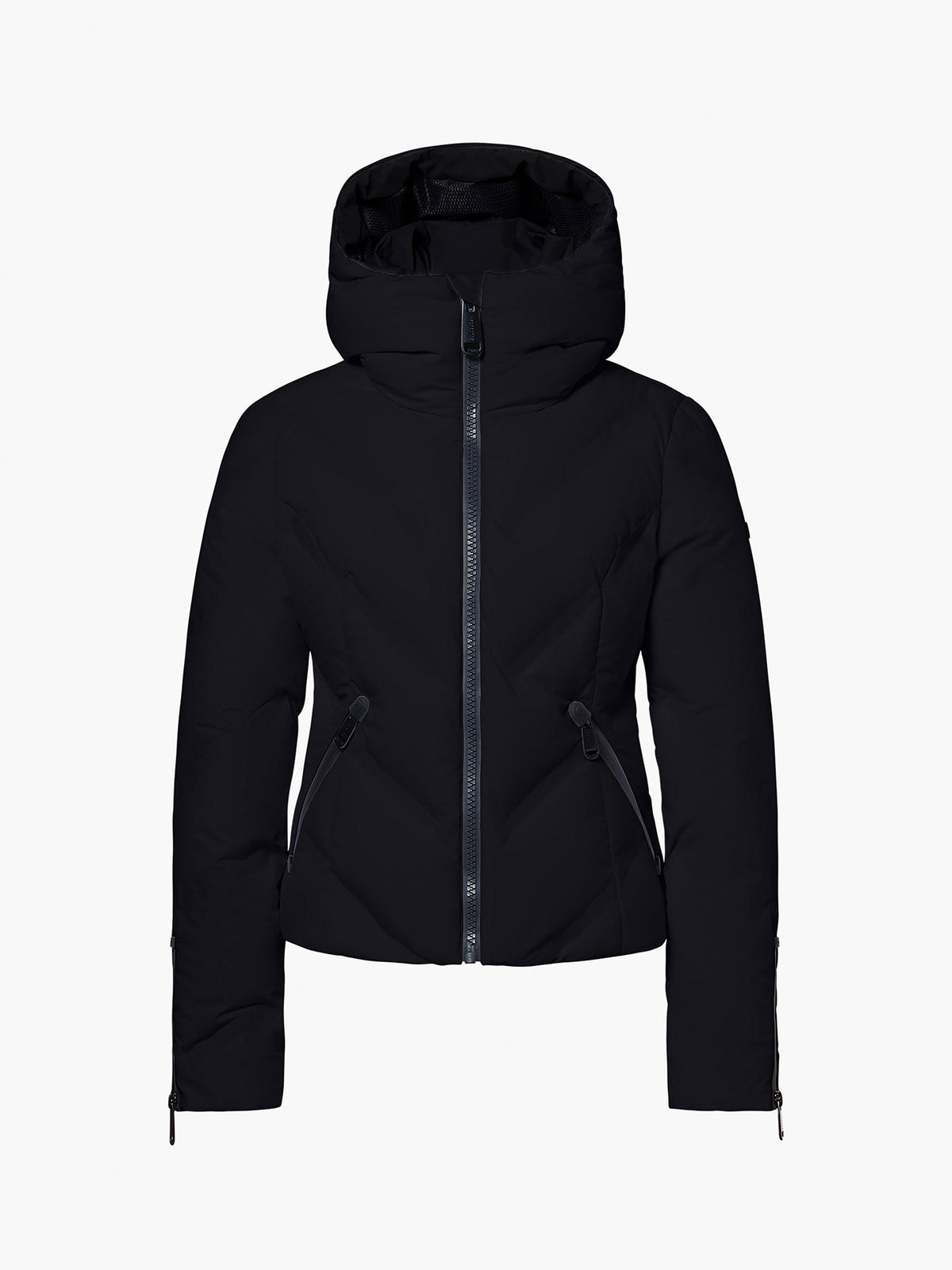
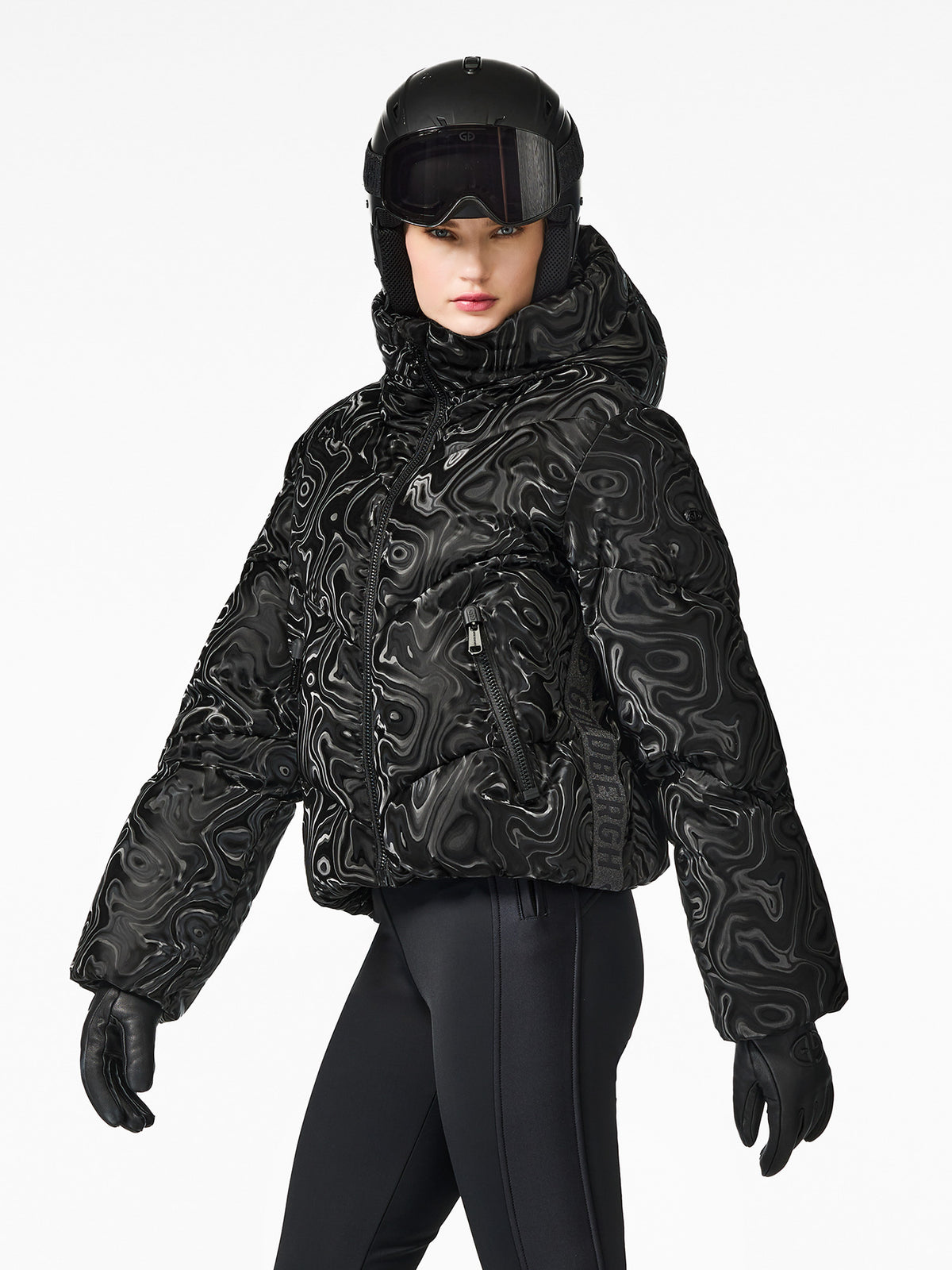
The neck area is close to the face, chin, and helmet. Close the collar when trying it on and check how it connects with your lower layer. Two high collars together can create more material than expected individually. Pay attention to the contact at the chin and the freedom of movement when turning your head. A striking collar can look good and still require a different combination underneath.
A hood should be used according to the specific manufacturer's description. If you want to wear it with a helmet, this use must be part of the model and the combination must actually fit. Check whether you can move your head naturally and whether the jacket is pulled along at the shoulders as a result. A large hood is not automatically suitable for every helmet just because of its volume.
Even the unworn hood influences the structure at the neck. Under or over other layers, it can feel different. Decide what role it plays in your ski day and whether you actually want to use possible modifications of the model. Removable or adjustable solutions are specific features, not a general characteristic of all ski jackets.
Connecting sleeve cuffs, gloves, and pockets
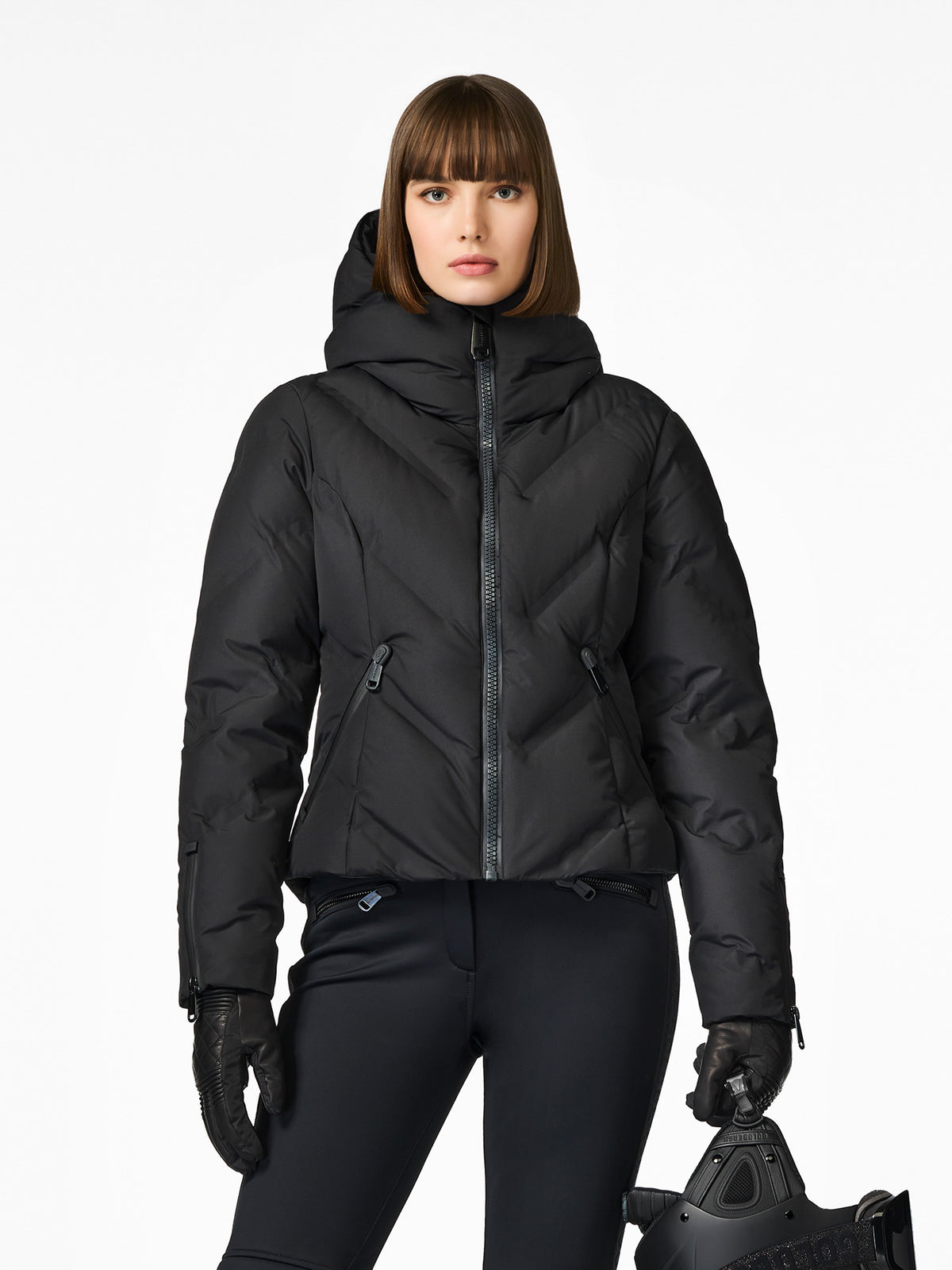
At the wrist, the jacket and glove meet. Consider whether you want to wear the glove cuff over or under the intended sleeve. For this, the width and closures must match. Several tightly overlapping cuffs can bulk up, while an unsuitably wide cuff does not create your desired connection. Try on the combination and assess how easily it can be put on in the intended order.
With women's ski gloves, you can further compare suitable cuff shapes. The jacket should retain its sleeve length appropriately when arms are held forward. A sleeve that fits perfectly when standing can end differently when moving. This transition deserves a separate look, as it is easily overlooked when merely comparing color and torso cut.
You choose pockets according to your use. The crucial factors are position, access, and behavior when filled. A chest pocket or an additional opening can be practical, but must match your other layers. Also check which components actually belong to the jacket. A special pocket, a powder skirt, or a connection element must not be transferred from a similar model image to every version.
Opening and taking off during the day
Consider how you handle the jacket during a break. A collar that you frequently open should move easily with your mid-layer. When taking it off completely, weight, volume, and sensitive details play a different role than when wearing it. These considerations are particularly helpful if you are wavering between several similarly fitting models. The jacket should be part of your actual routine, from putting on the layers to a longer break indoors.
Choosing style after the basic form is right
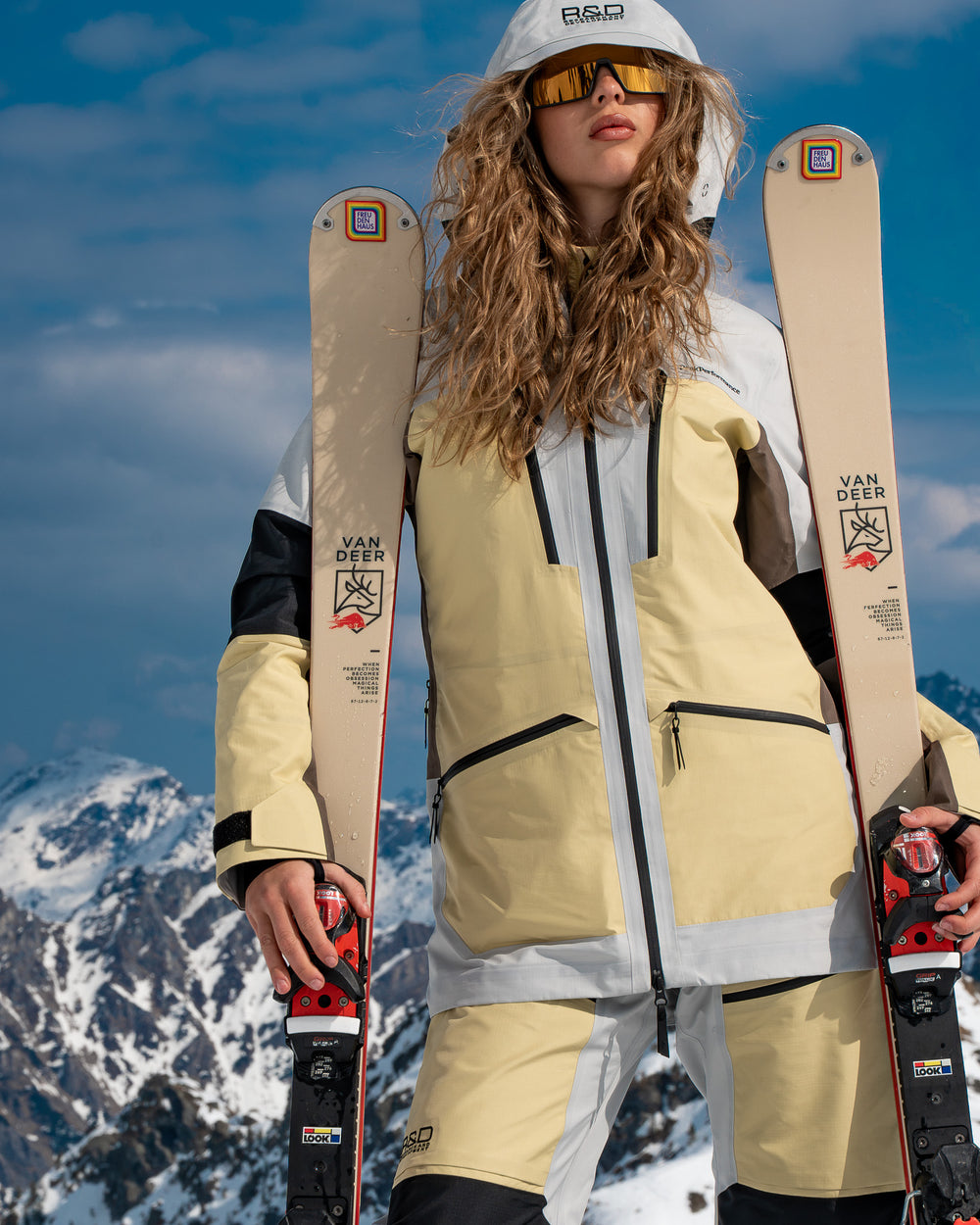
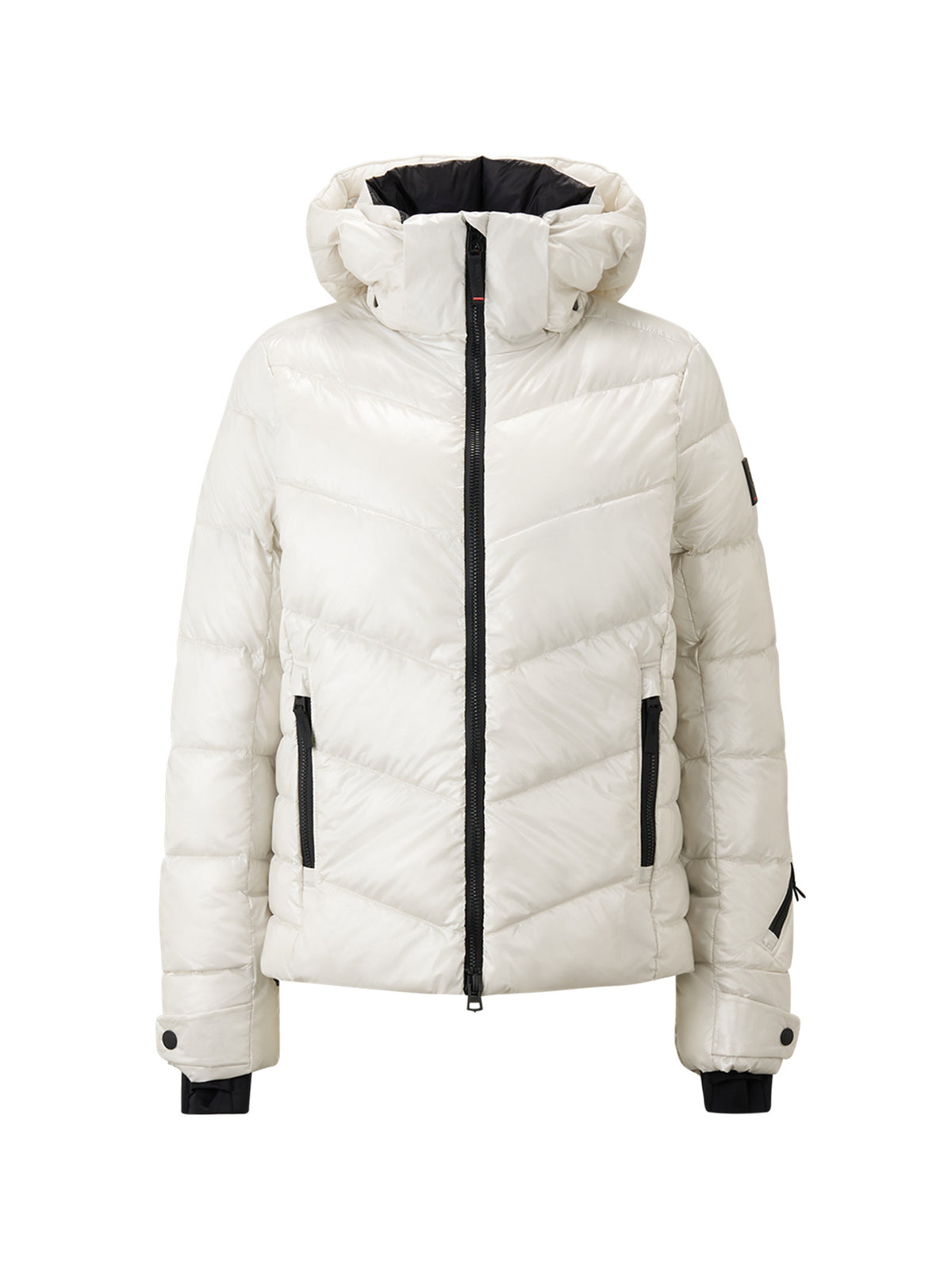
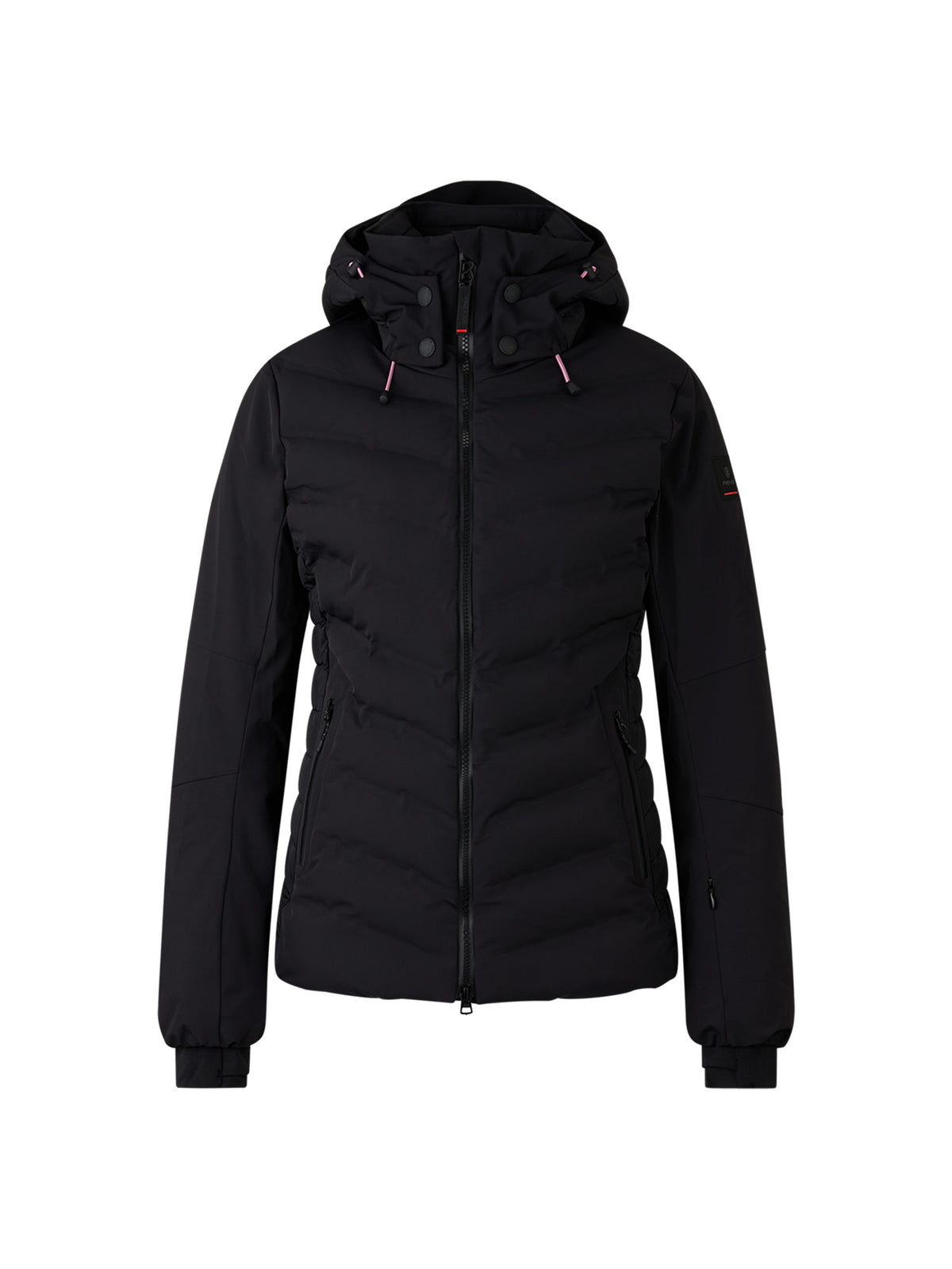
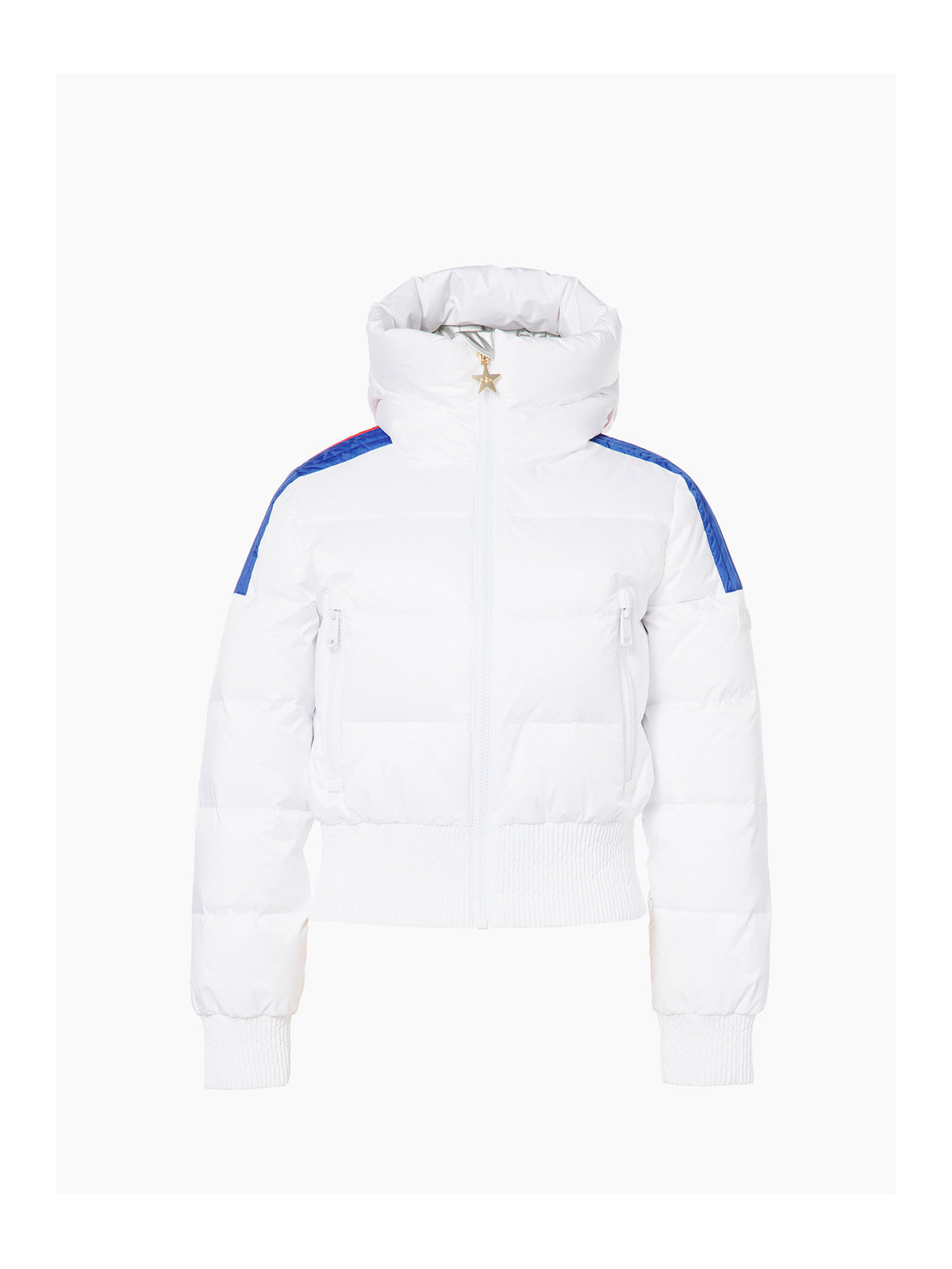
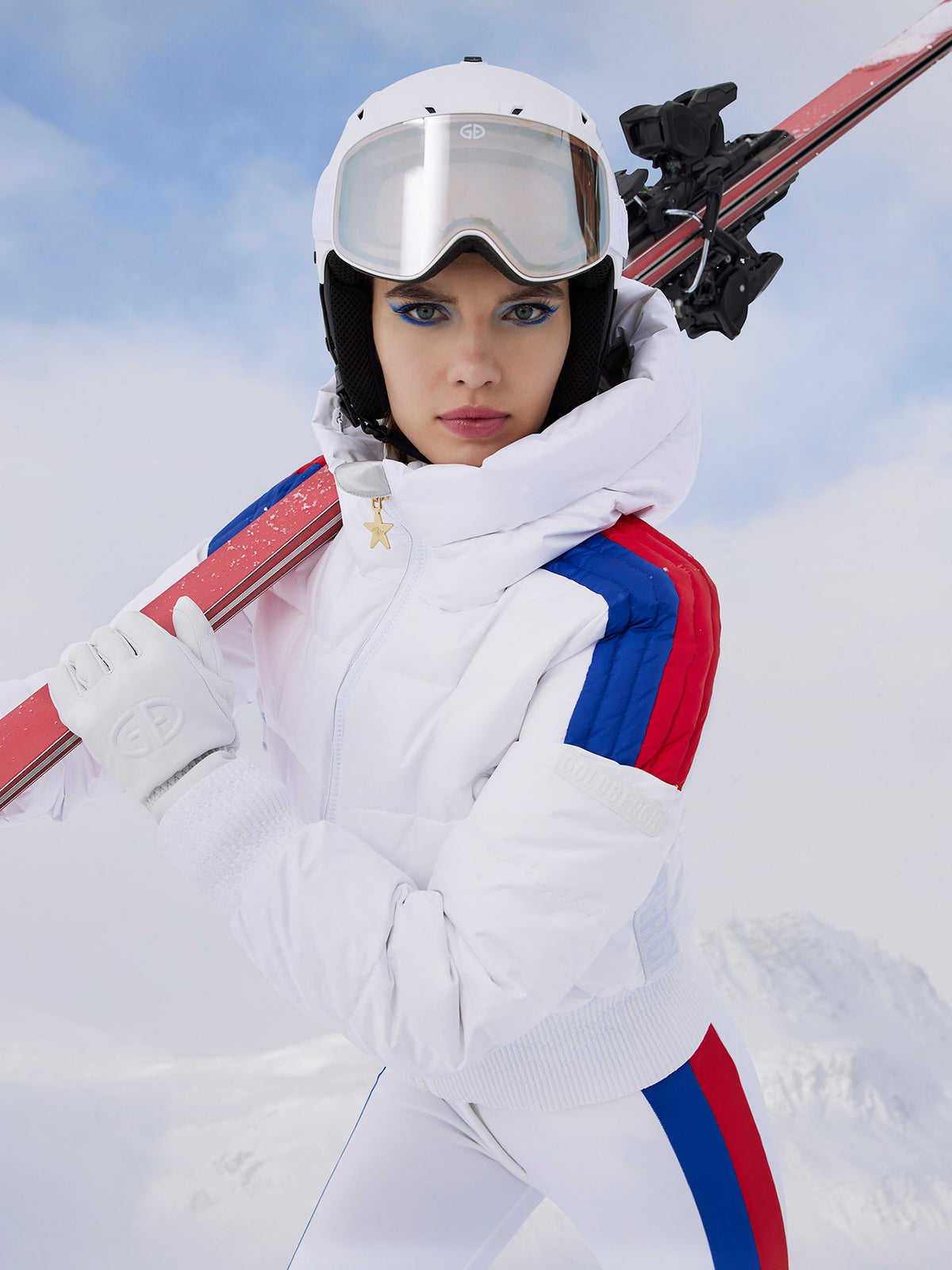
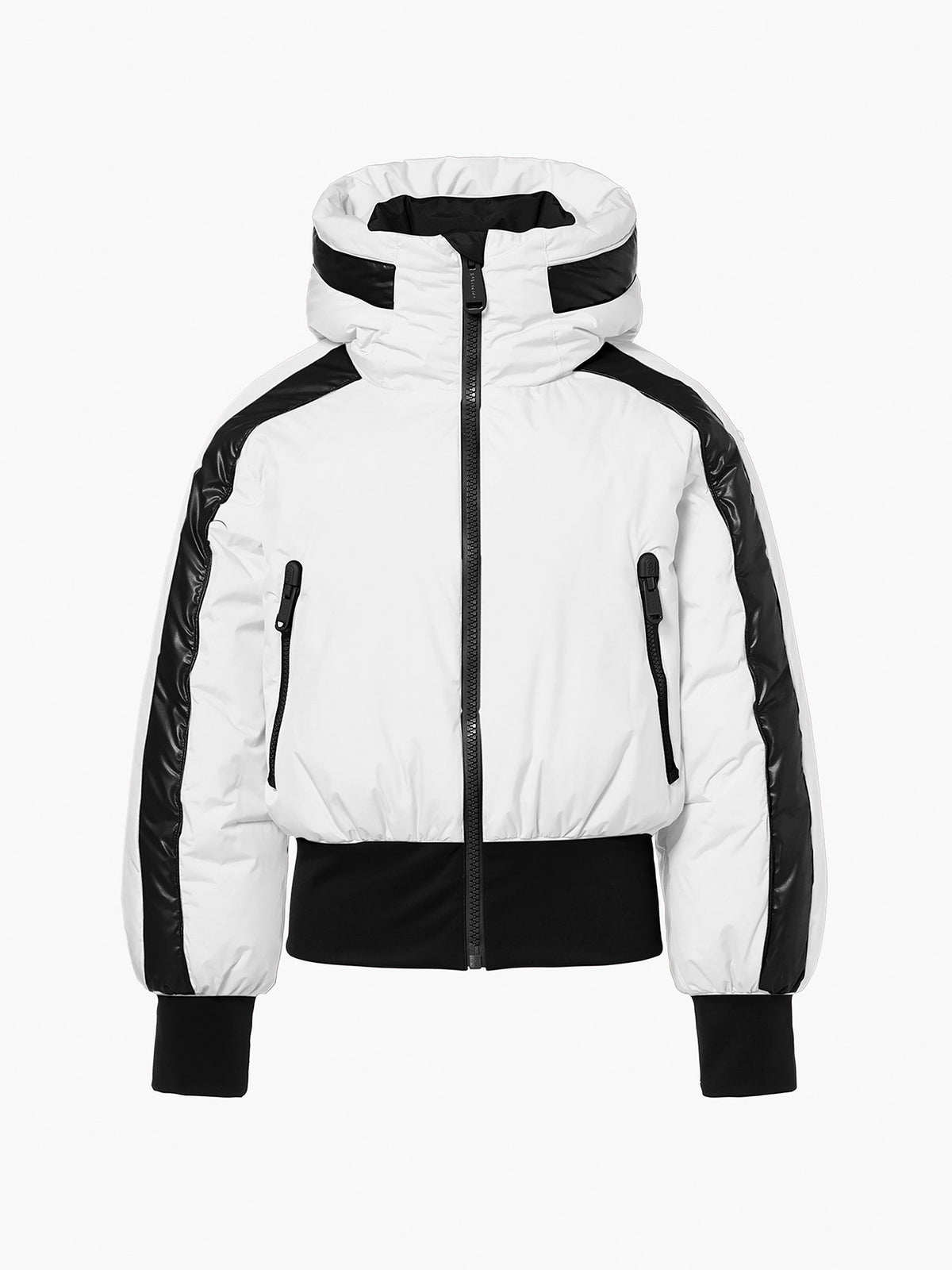
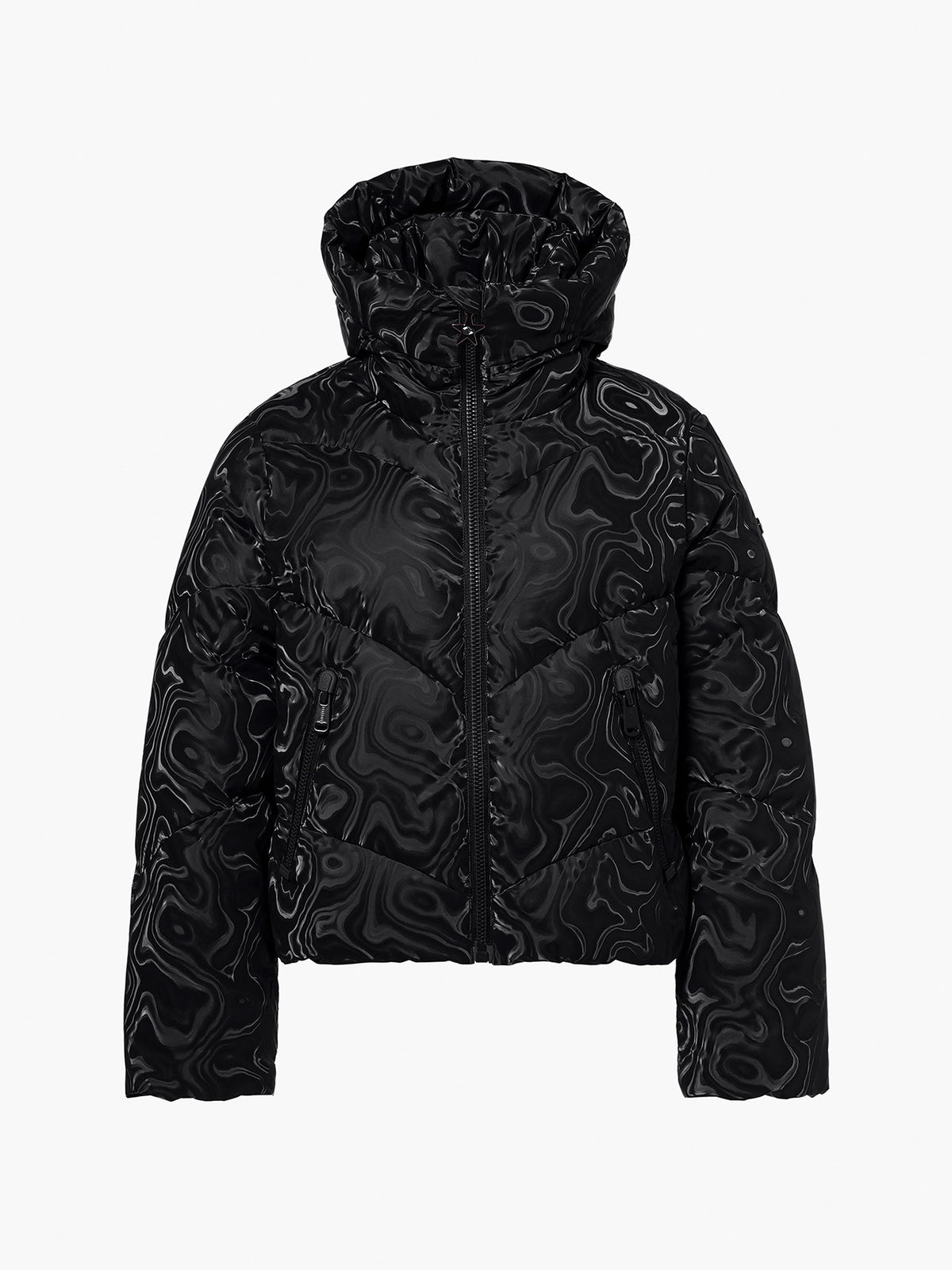
A women's ski jacket can be the focal point of your ski outfit. A strong color looks different over calm pants than a subtle jacket with a striking bottom. Surfaces also change the impression: smooth surfaces, quilting, or different inserts each set different accents. Choose the design within the models that already meet your functional needs and fit.
You don't have to match every accessory exactly to the jacket. A recurring color or a shared material character can connect helmet, goggles, and gloves. In the overarching women's ski clothing, you can put together the complete look. The combination should please you, but also remain understandable as a construction: suitable outer layer, appropriate layers, and sensibly designed transitions.
Care and decision based on the specific model
Technical materials, fillings, and trimmings may require different care. The labeling of your jacket, supplemented by the intended manufacturer's instructions, is decisive. A uniform washing or drying instruction for all women's ski jackets would be too general. Care is part of the function and long-term handling of the product; it should therefore be as clear as the handling of closures and settings.
Finally, compare your favorites based on the same points: construction, movement, jacket length, neck area, and transitions to pants and gloves. Name the differences concretely. More room on the upper arm or a more comfortable collar are tangible reasons for a decision. If this basis is right, color and details become a personal choice within a suitable selection.
04At FREUDENHAUS
05Questions about the category