






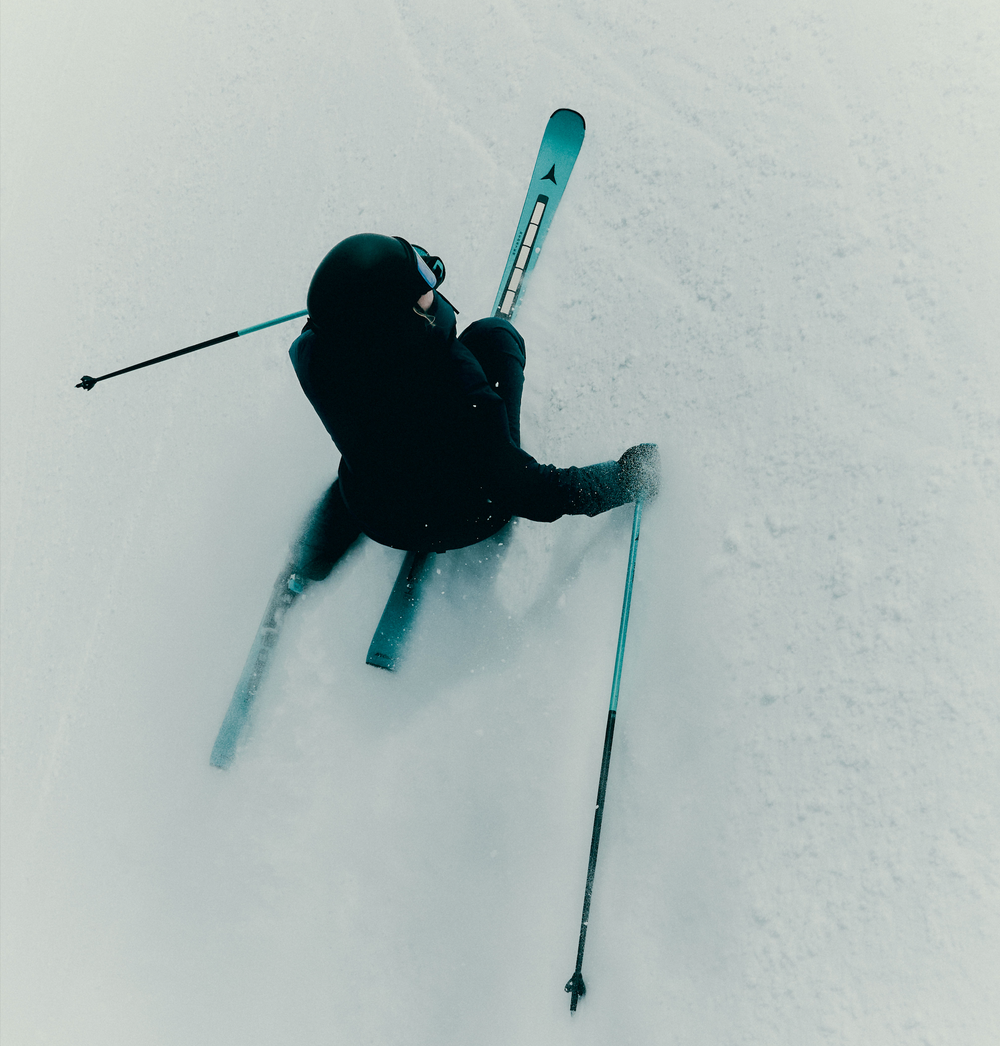

Men's Gloves for Matching Warmth and Grip
Men's gloves differ in finger shape, insulation, and how they interact with your jacket sleeve. Choose based on grip, movement, and desired coverage rather than thickness alone. Here you will find guidance on fingered gloves, mittens, liners, and ski gloves, as well as on size, materials, and care for a demonstrably coordinated winter use.






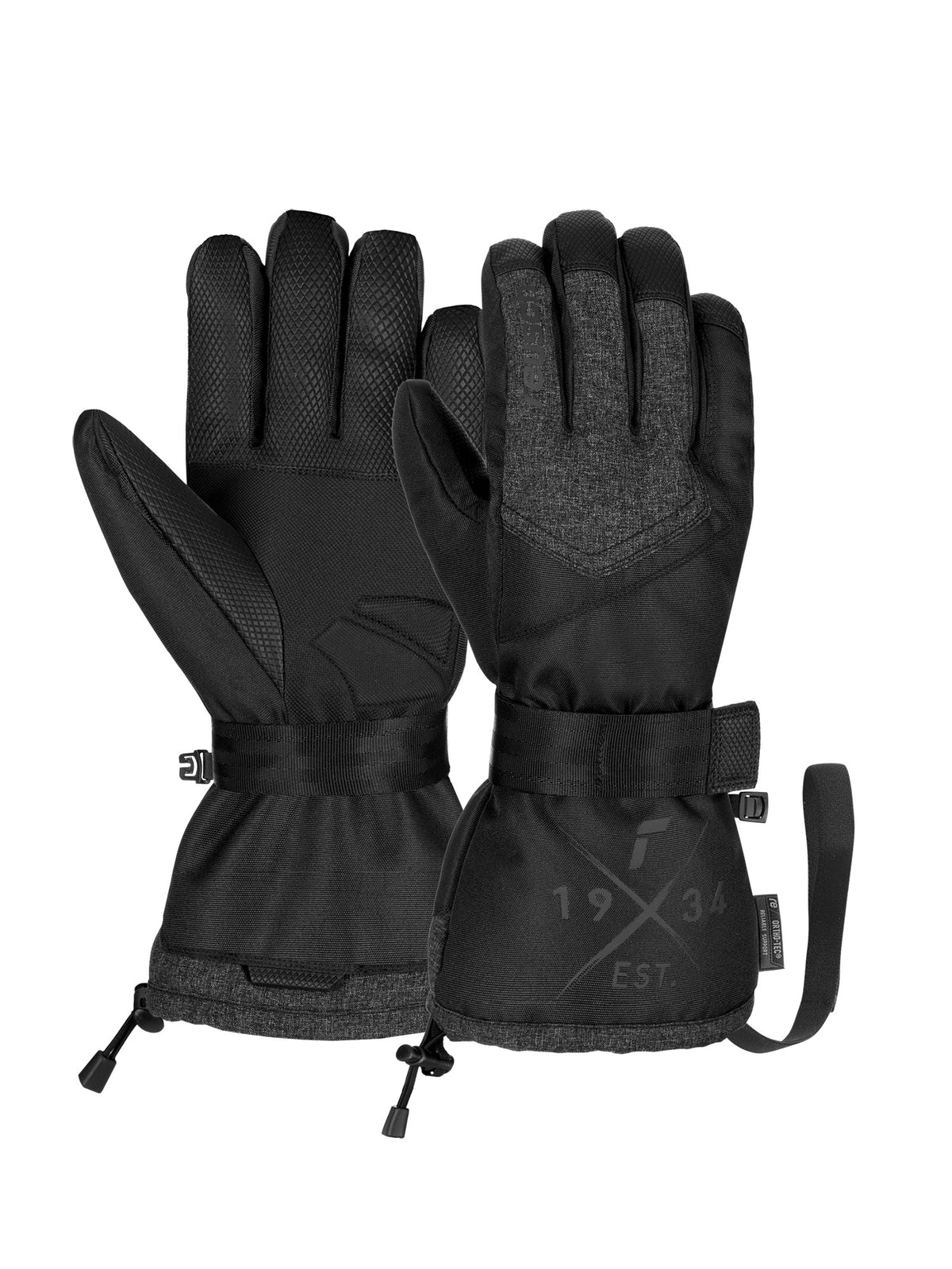
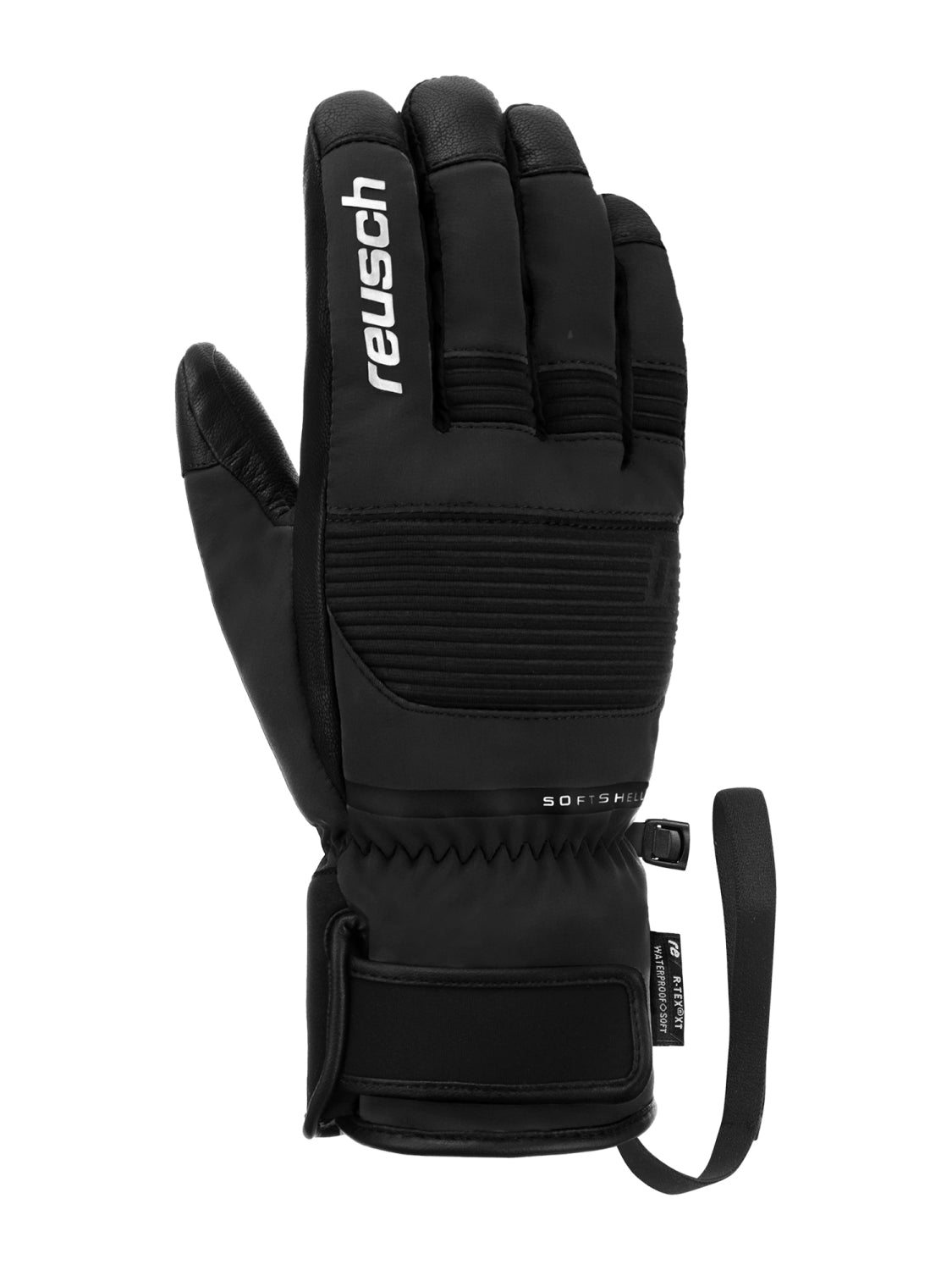
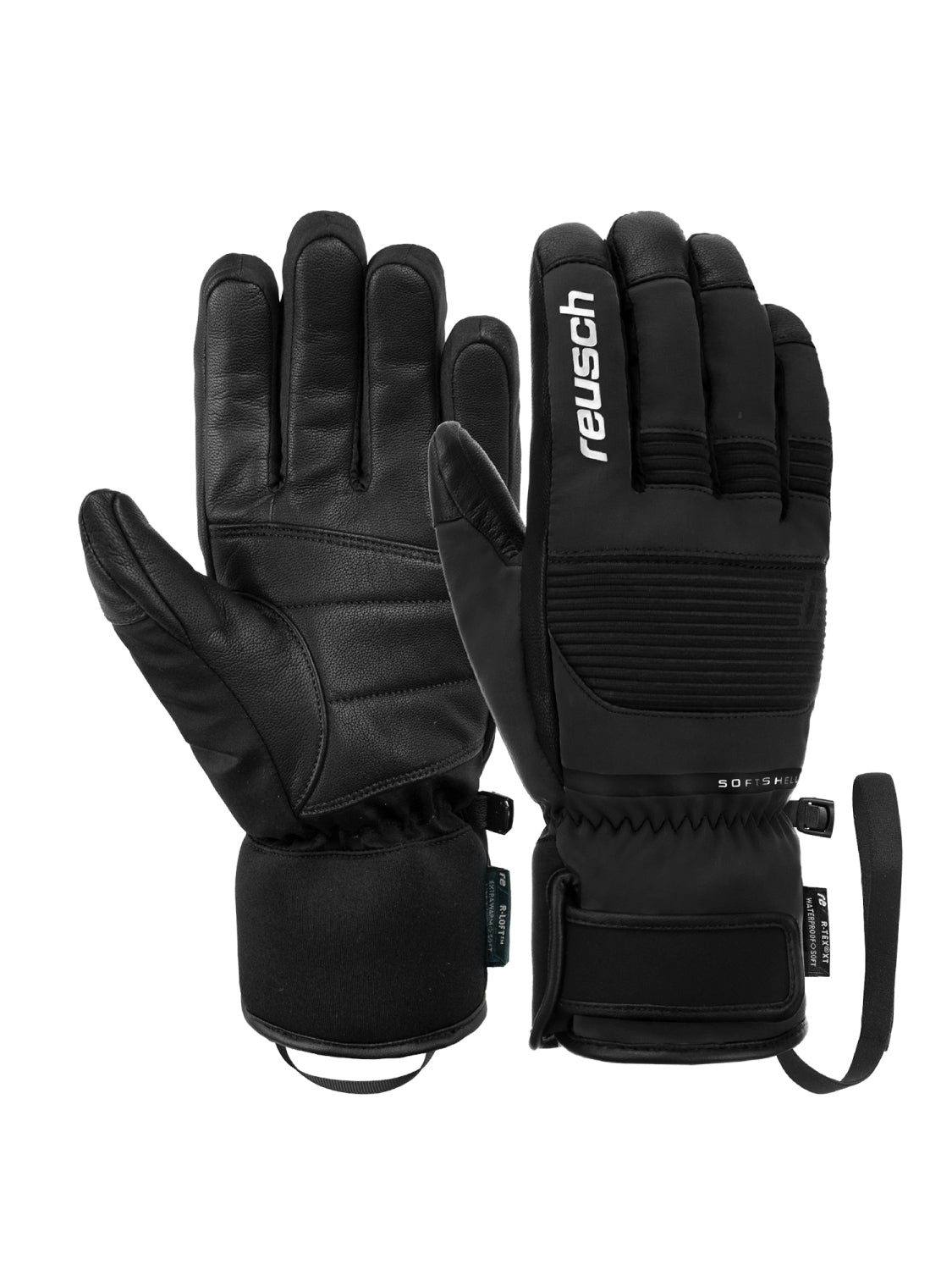
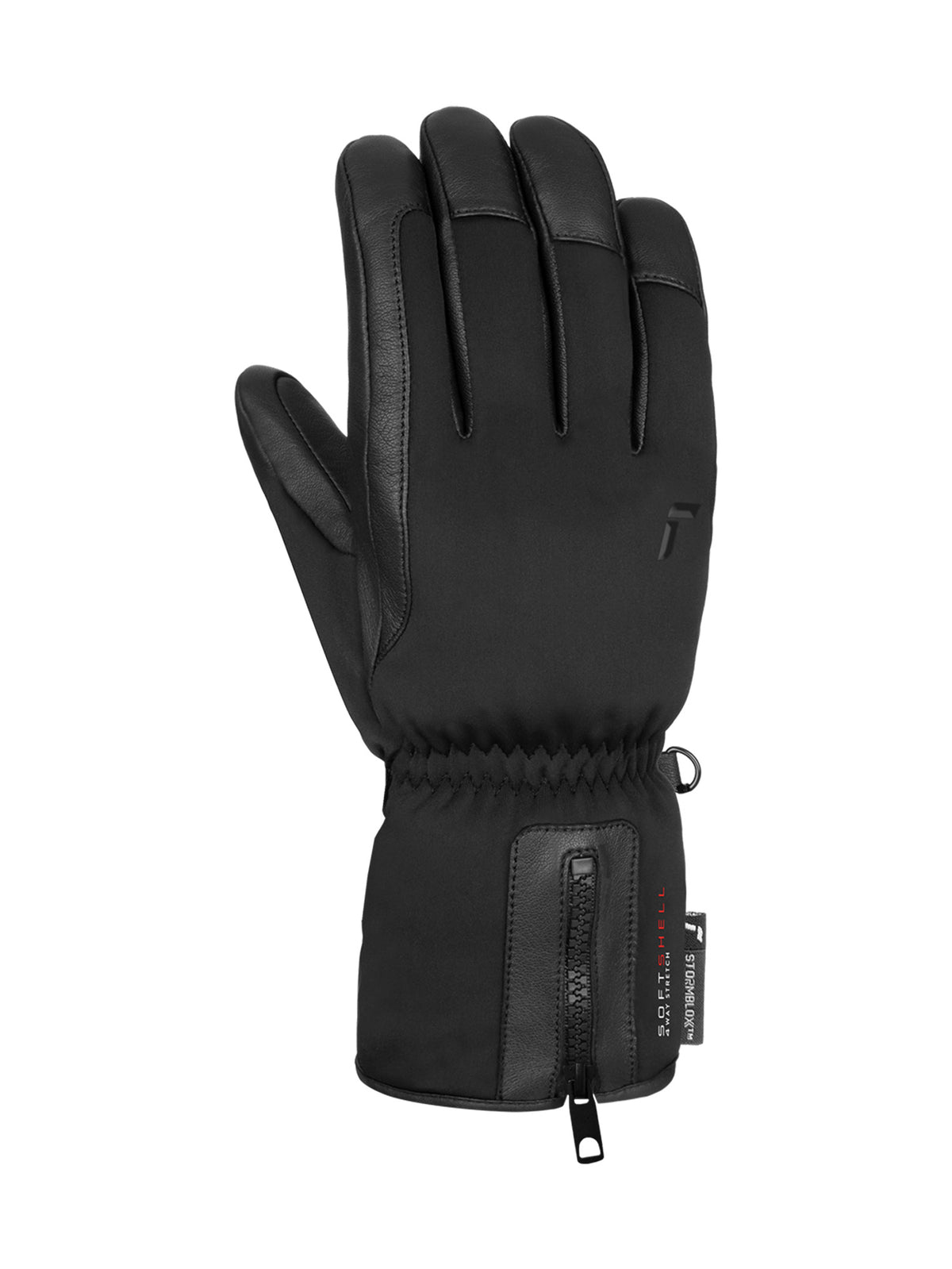
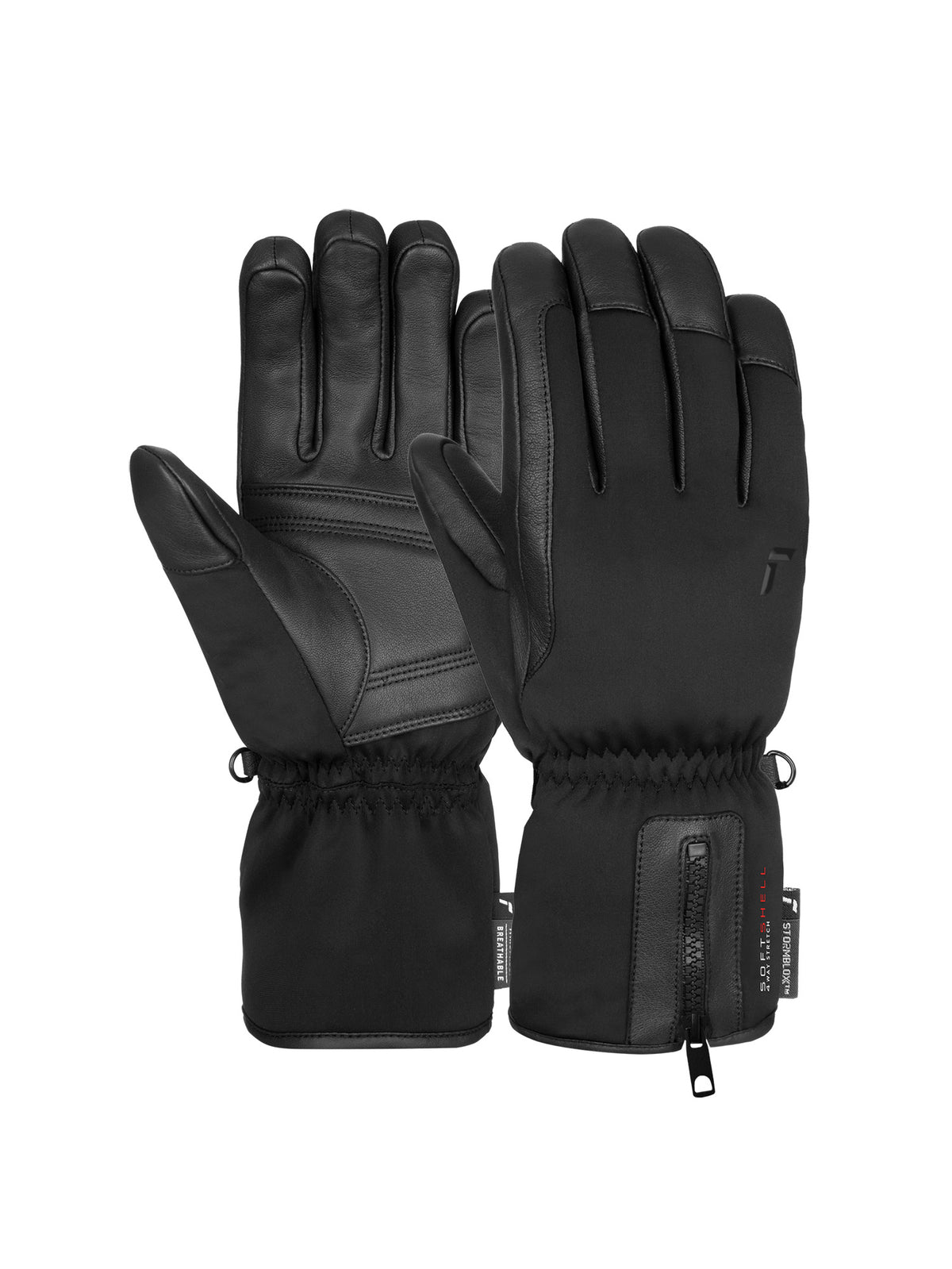
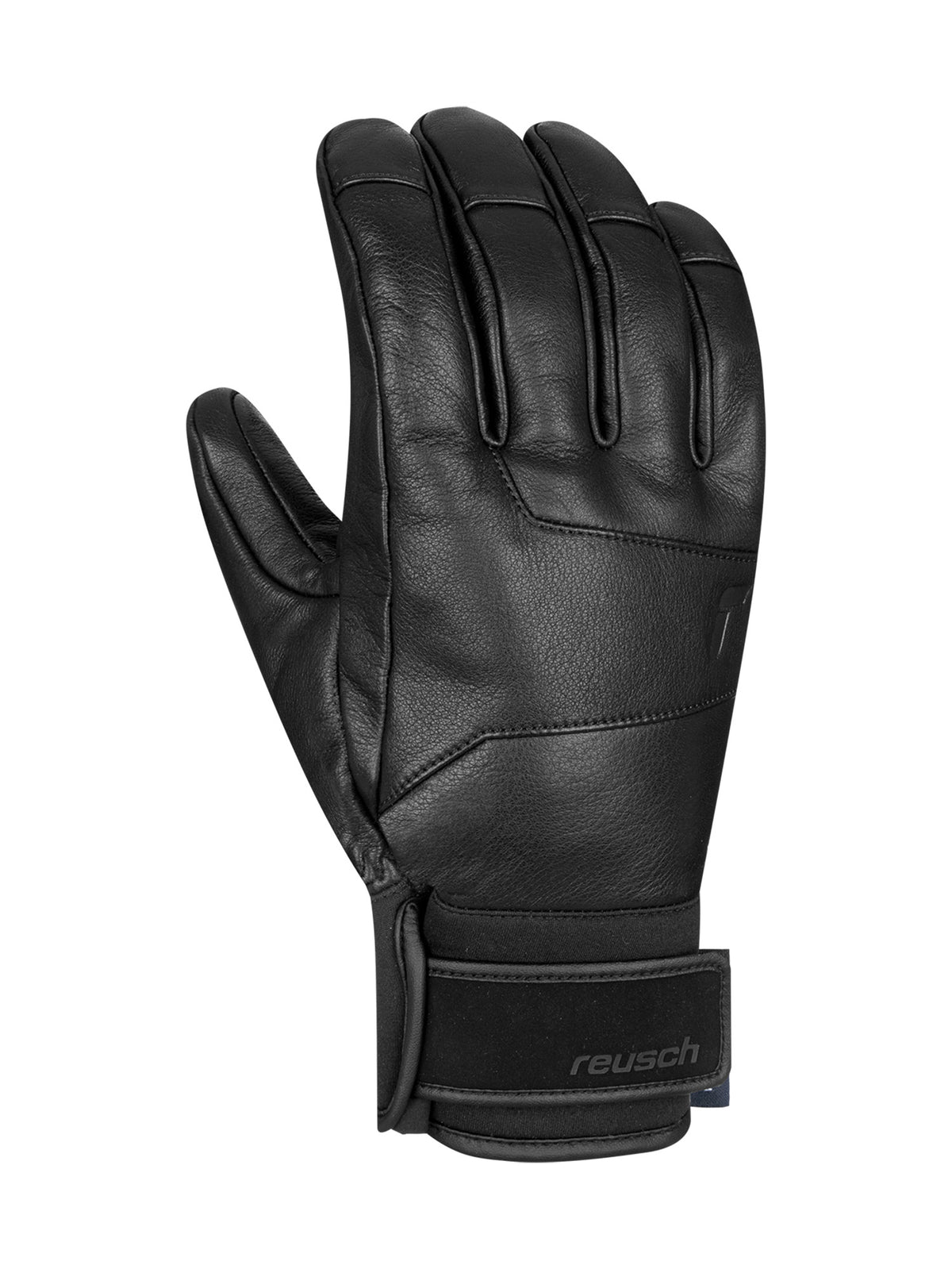
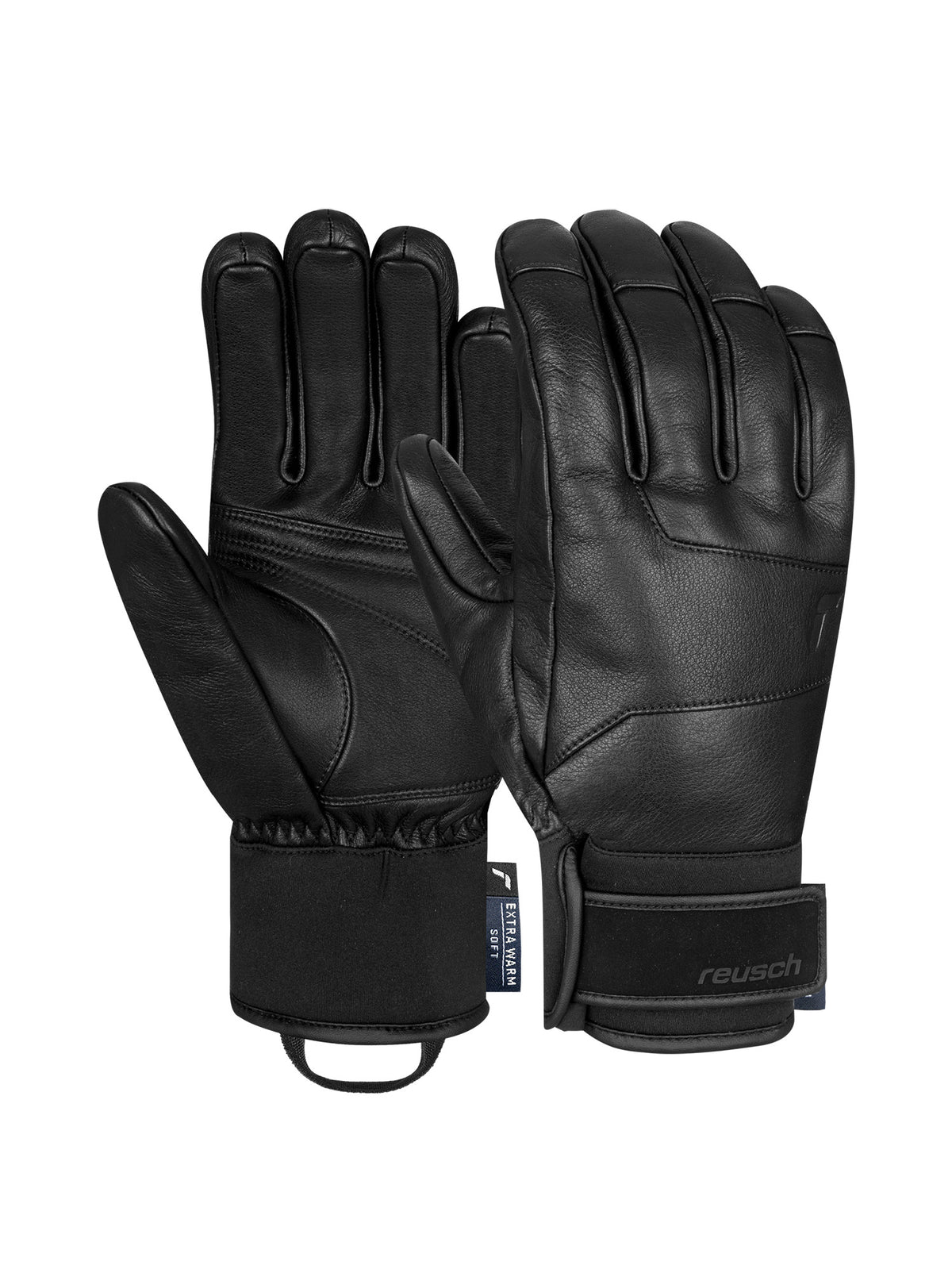


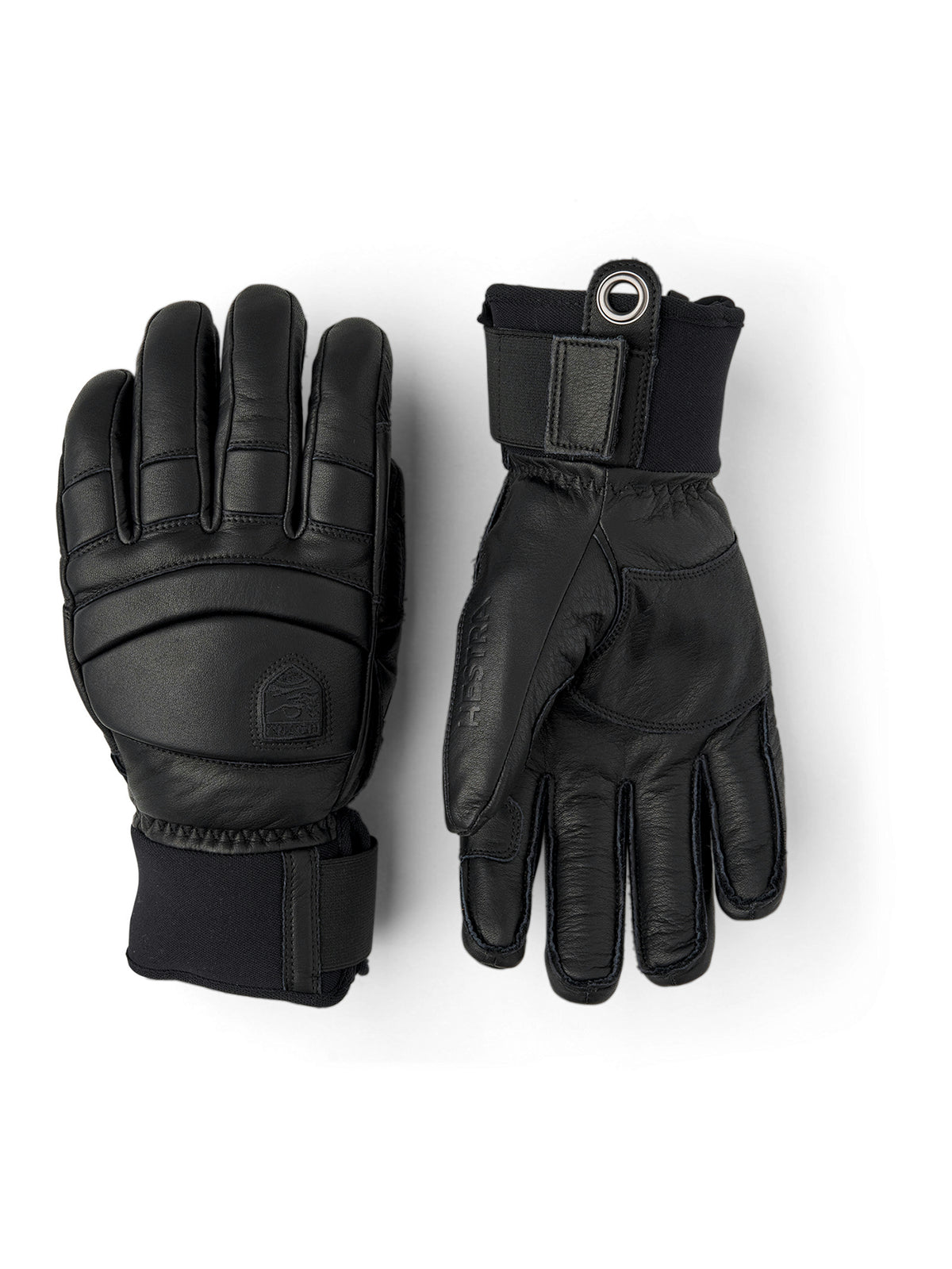
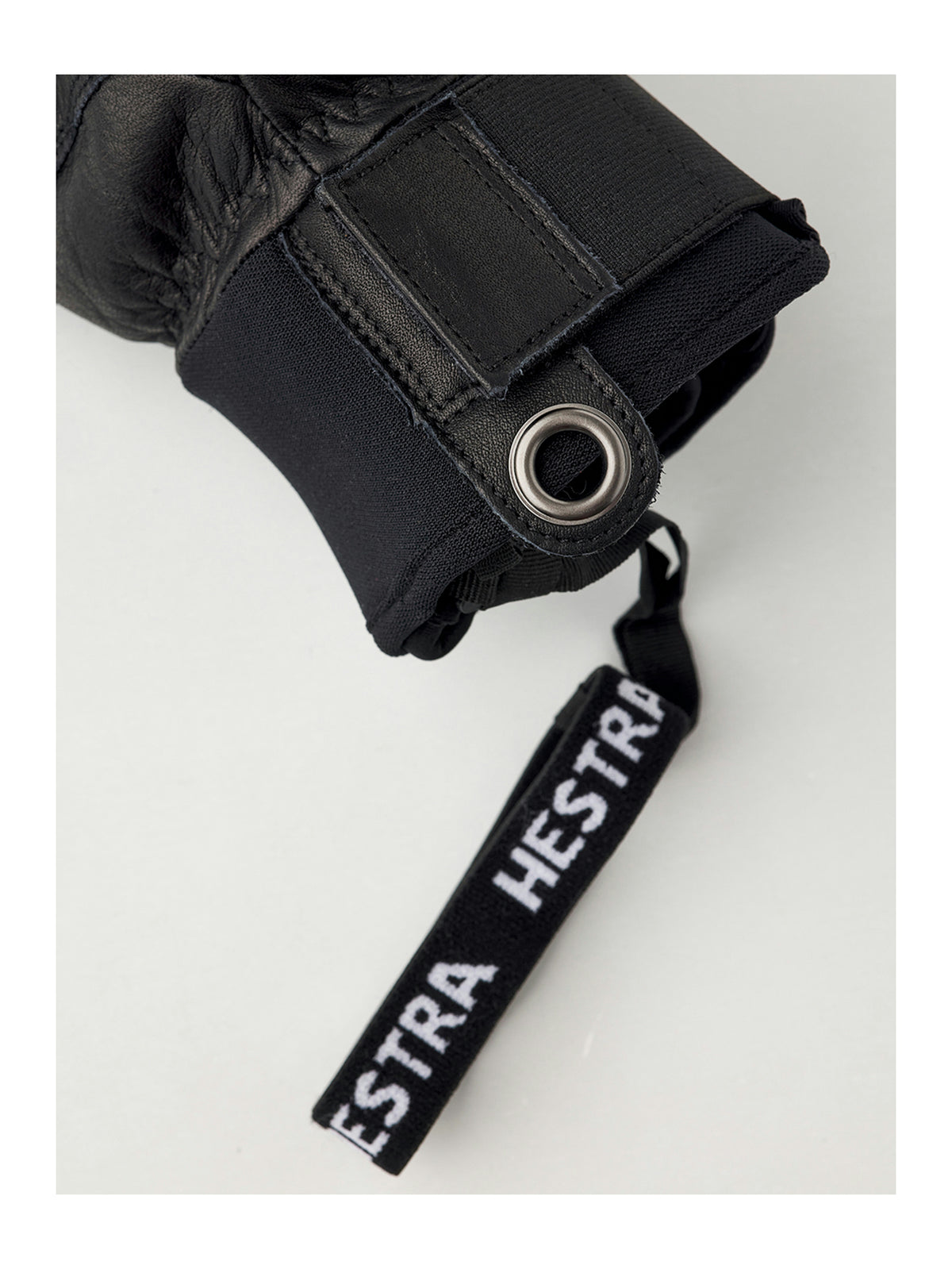


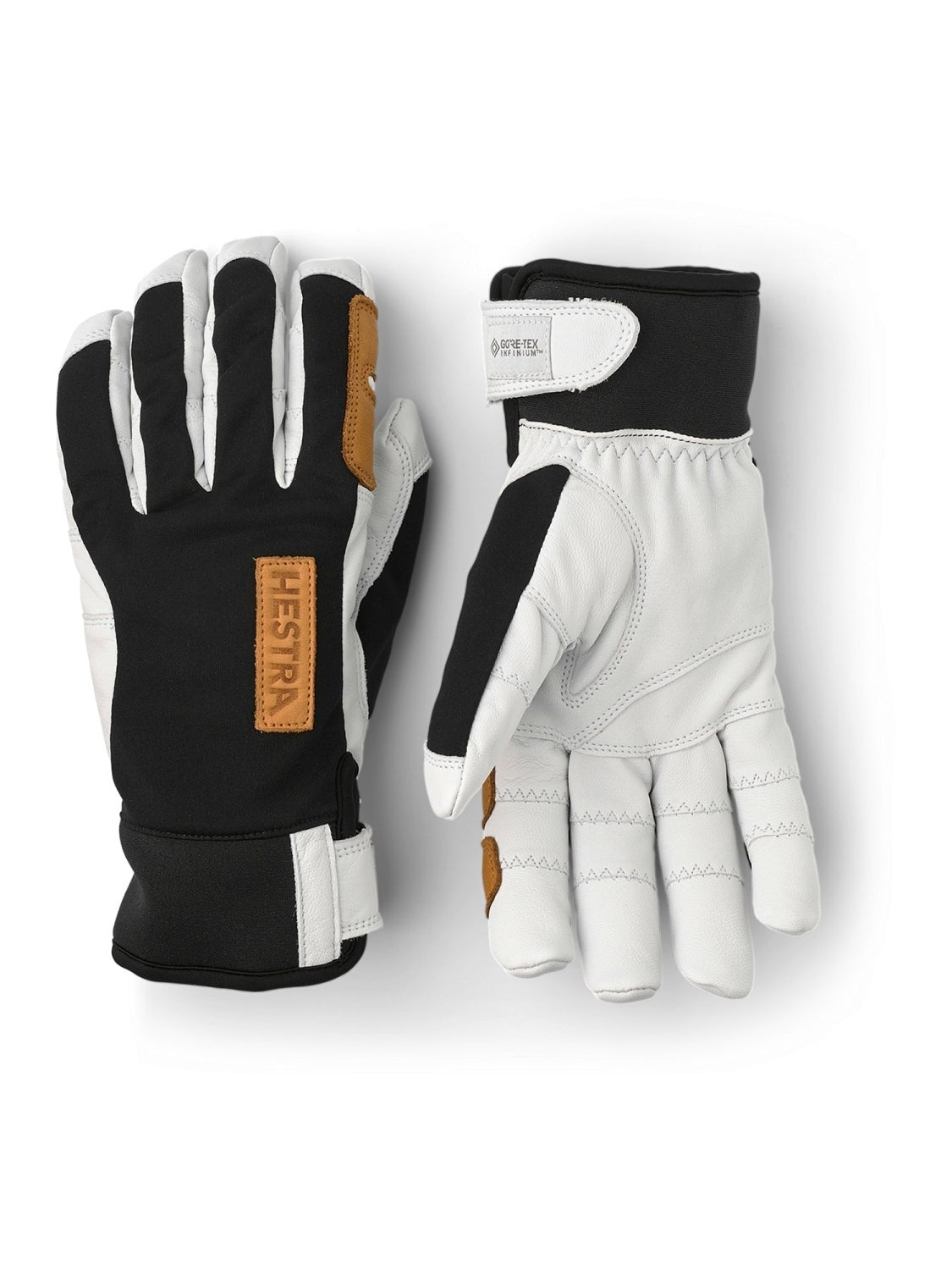
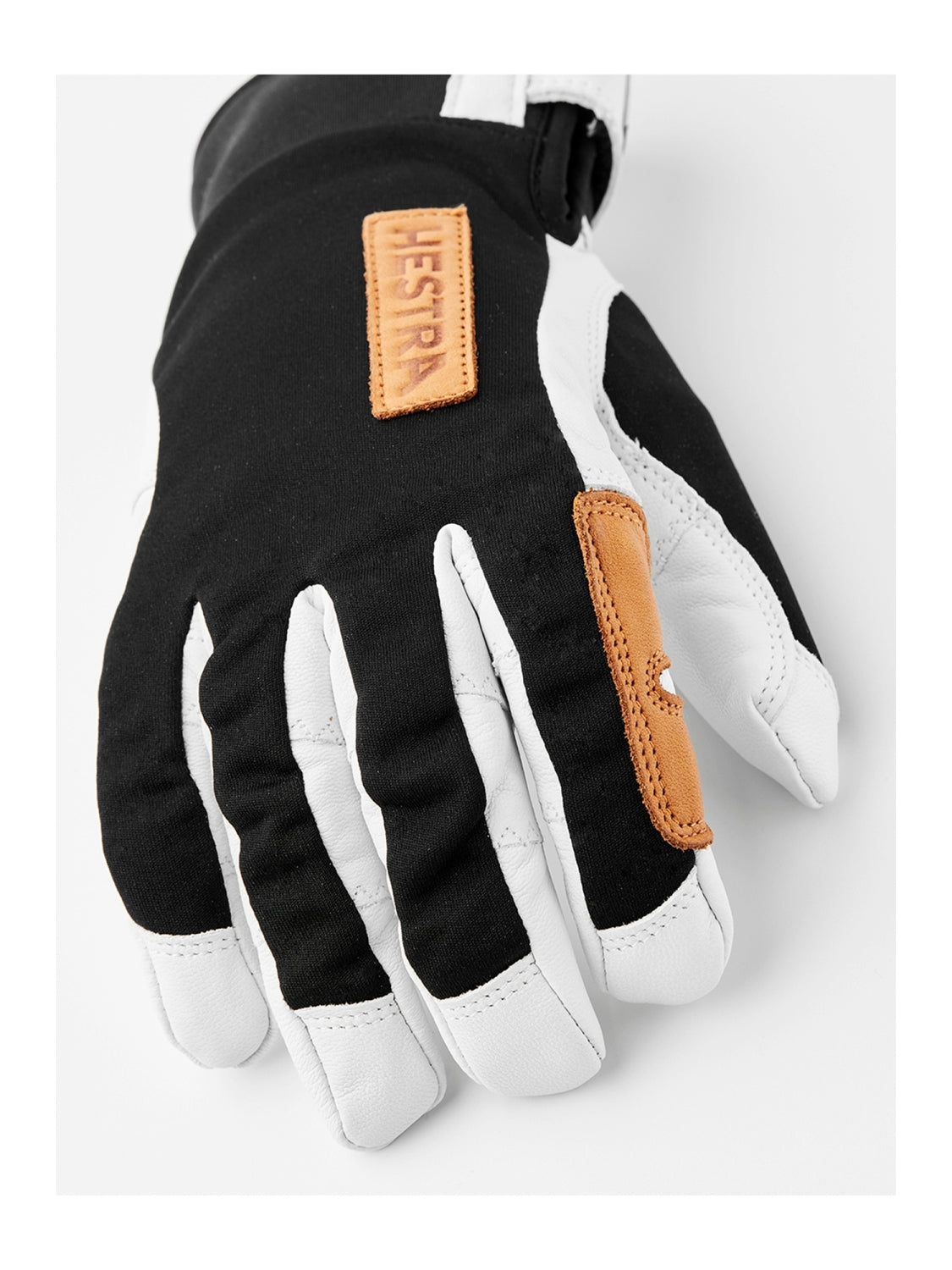
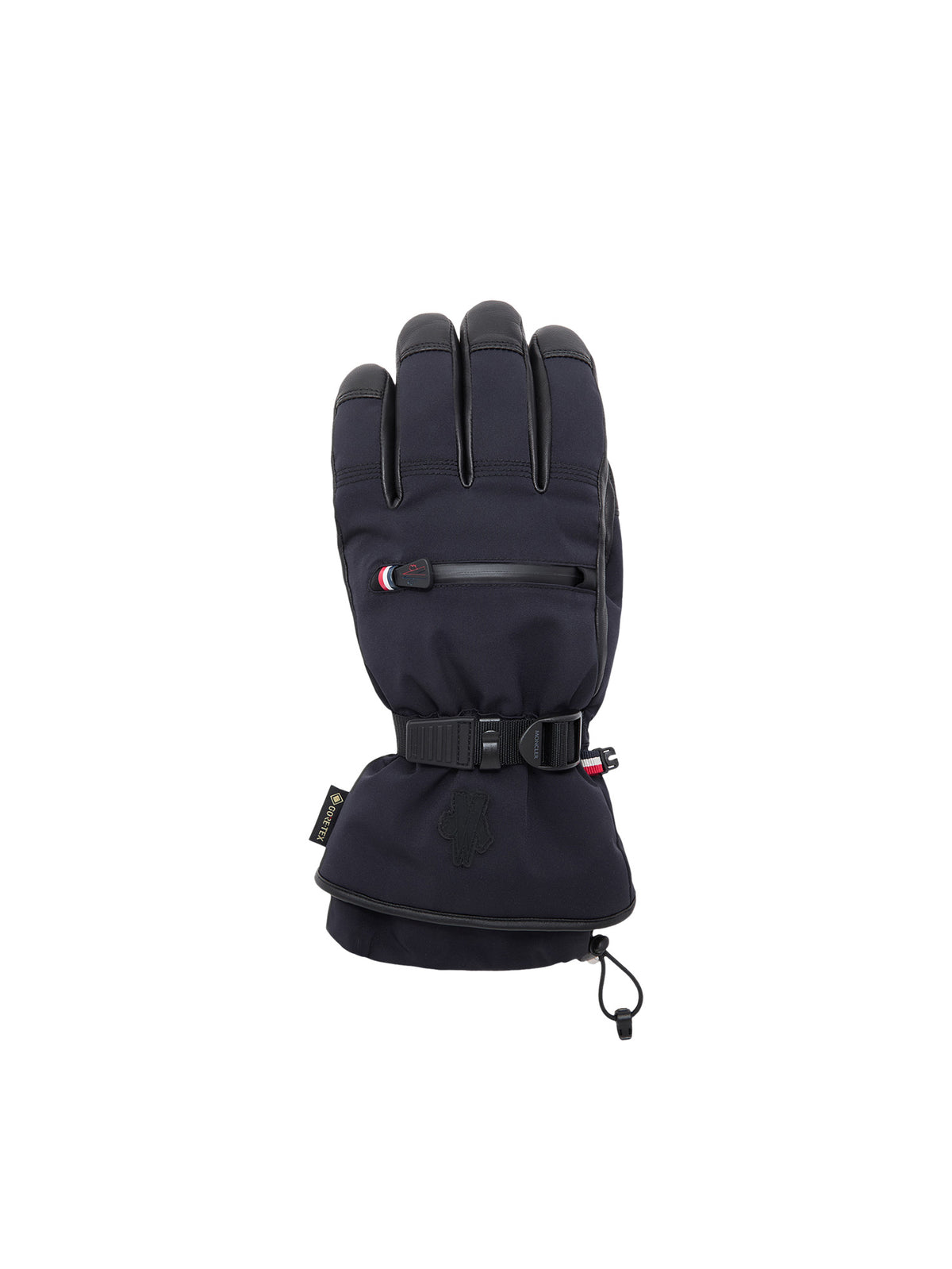
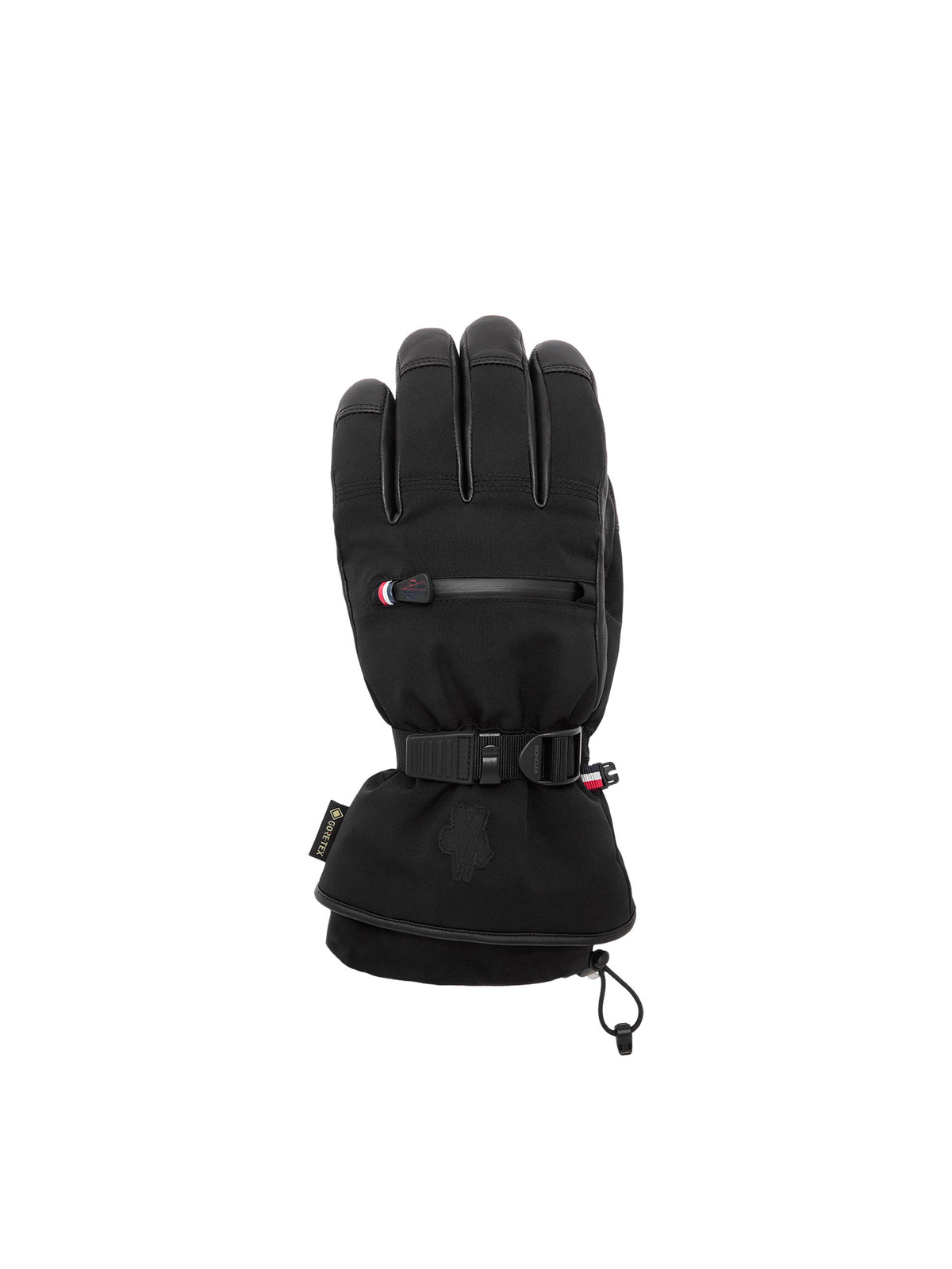


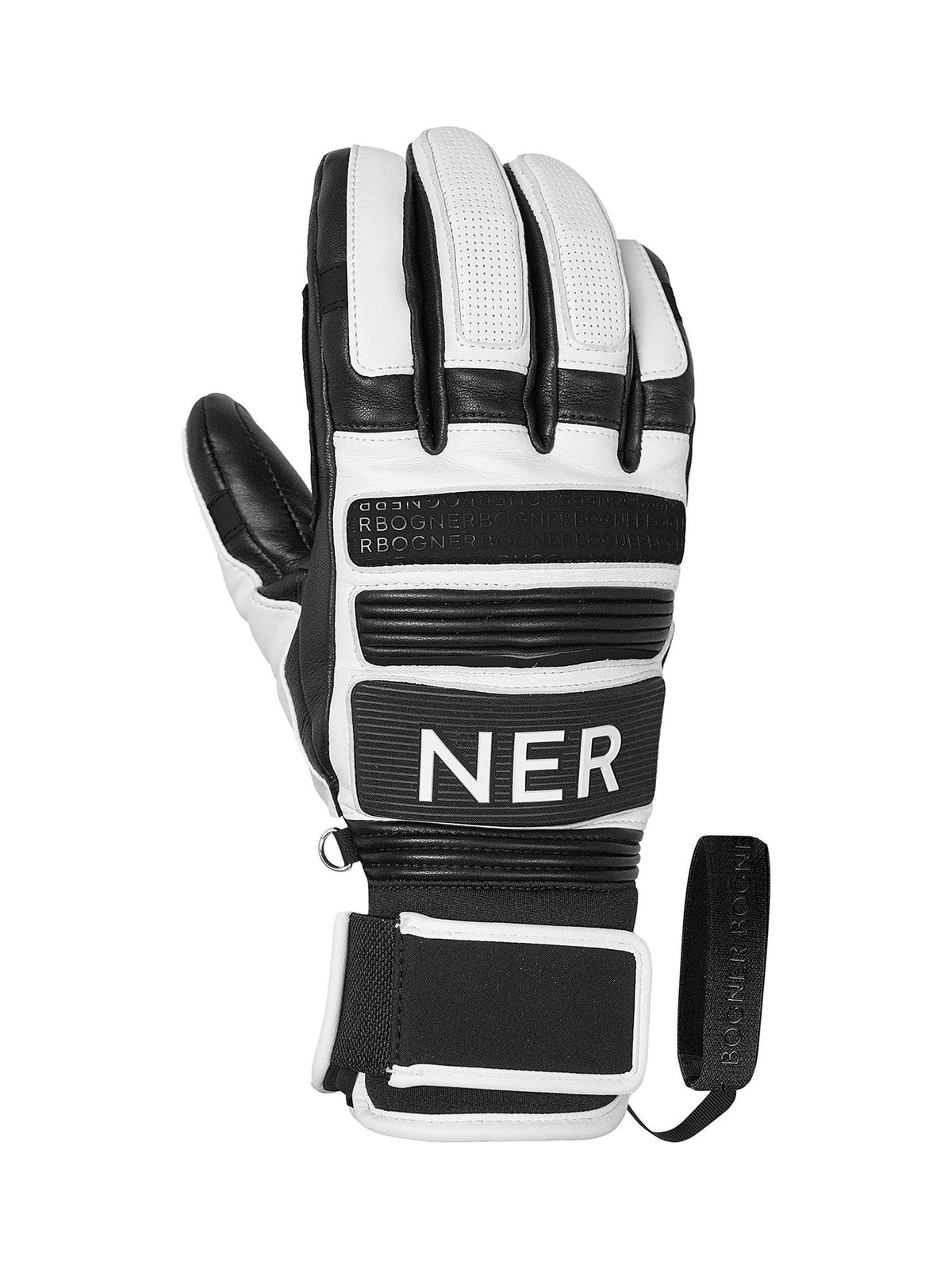
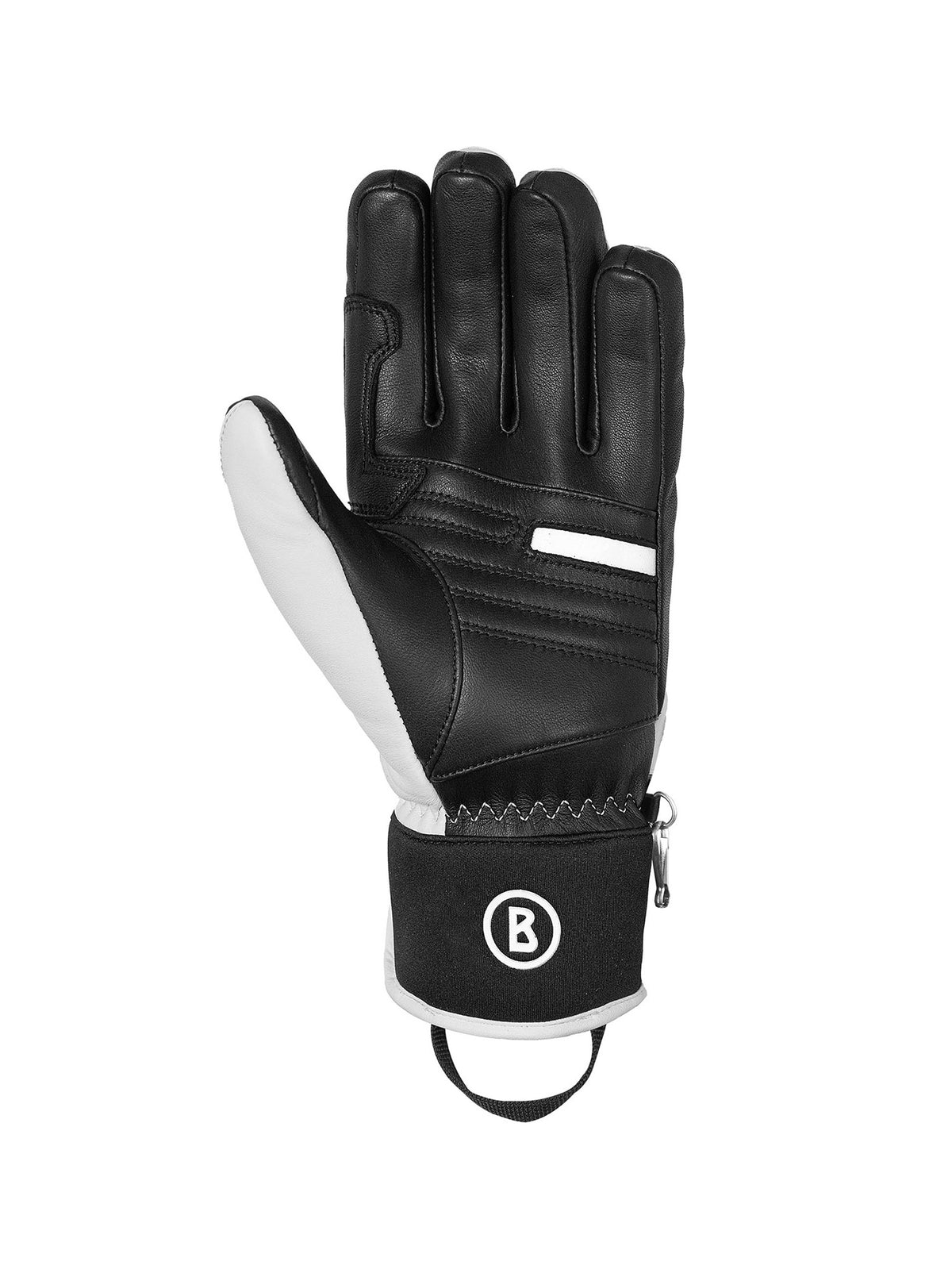
Choose men's gloves based on task rather than just thickness
Gloves should match what your hands do on the go. Gripping a ski pole, operating a zipper, carrying a bag, or staying warm on a quiet winter walk are different tasks. Therefore, start with use and mobility. A thin glove may be suitable for an active situation, while you might look for a different construction for longer cold outdoor periods. The maximum material thickness is not a general answer to every one of these situations.
This selection for men combines different glove types and uses. A lightweight liner is not automatically a complete ski glove. A lined model with a long cuff plays a different role than a slim companion for everyday use. First, compare article type and construction. Then, size, material, and details can be meaningfully evaluated without attributing tasks to a single product for which it is not intended.
Five-finger glove, mitten, or split form?
Five fingers for separate movement
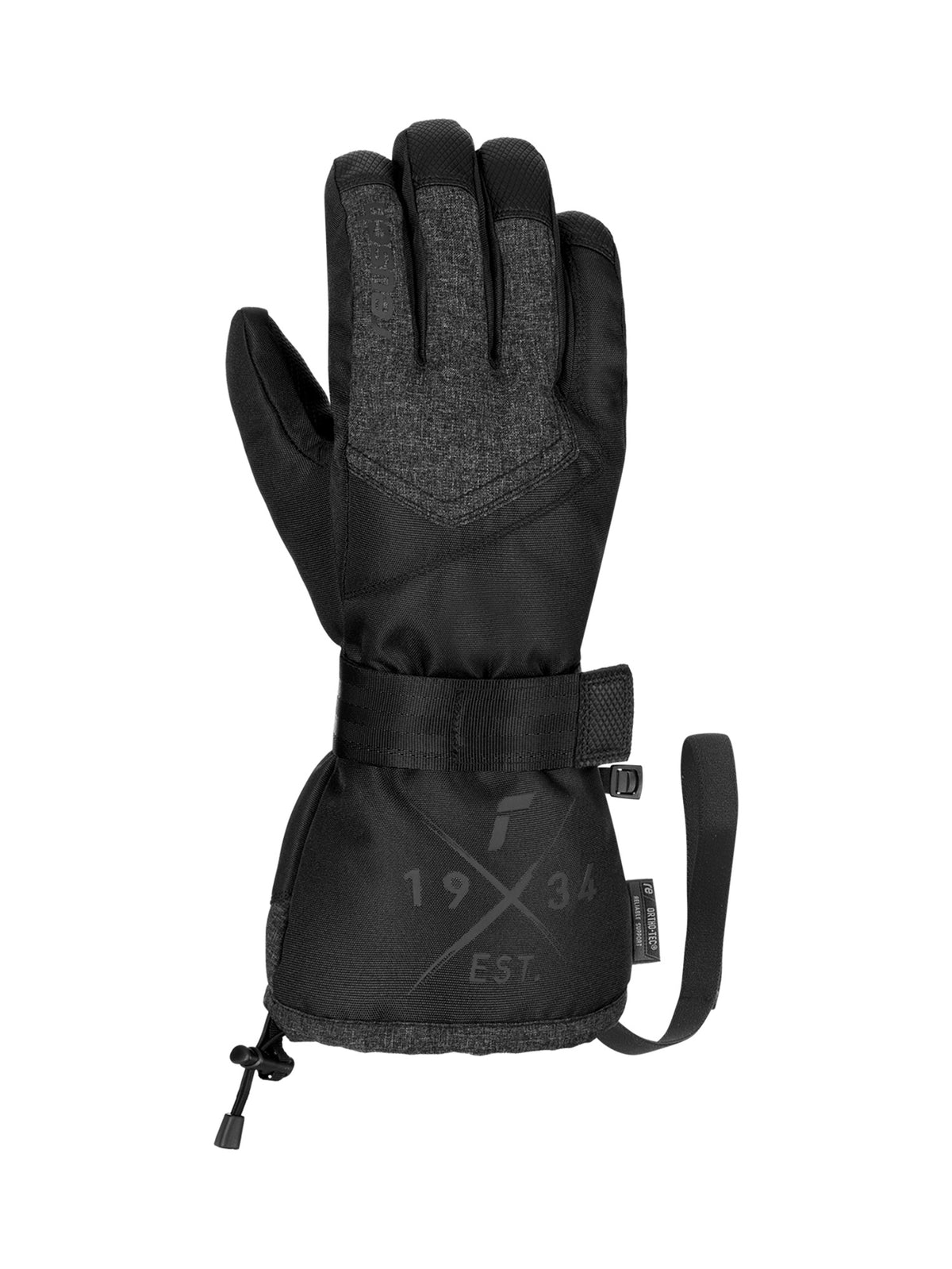
A five-finger glove guides each finger individually and can thus allow for more separate mobility for certain hand movements. How precisely something can be gripped also depends on material thickness, finger length, and fit. A finger area that is too long can make it difficult to operate small fasteners. An area that is too short can feel tight as soon as you close your hand. Therefore, compare the shape in a grip and not exclusively with outstretched fingers.
For ski days, the connection with the pole grip can play an important role. A sturdy palm feels different from a thin textile construction. This is not automatically a question of better or worse, but of desired contact and use. The glove size should allow for a suitable grip without creating excessive pressure on the fingers. The position of the thumb should also be included in the comparison. A pre-shaped cut can appear differently in a closed hand than flat on a table. Therefore, use multiple views and described details to assess the desired grip feeling.
Mittens with a common finger compartment
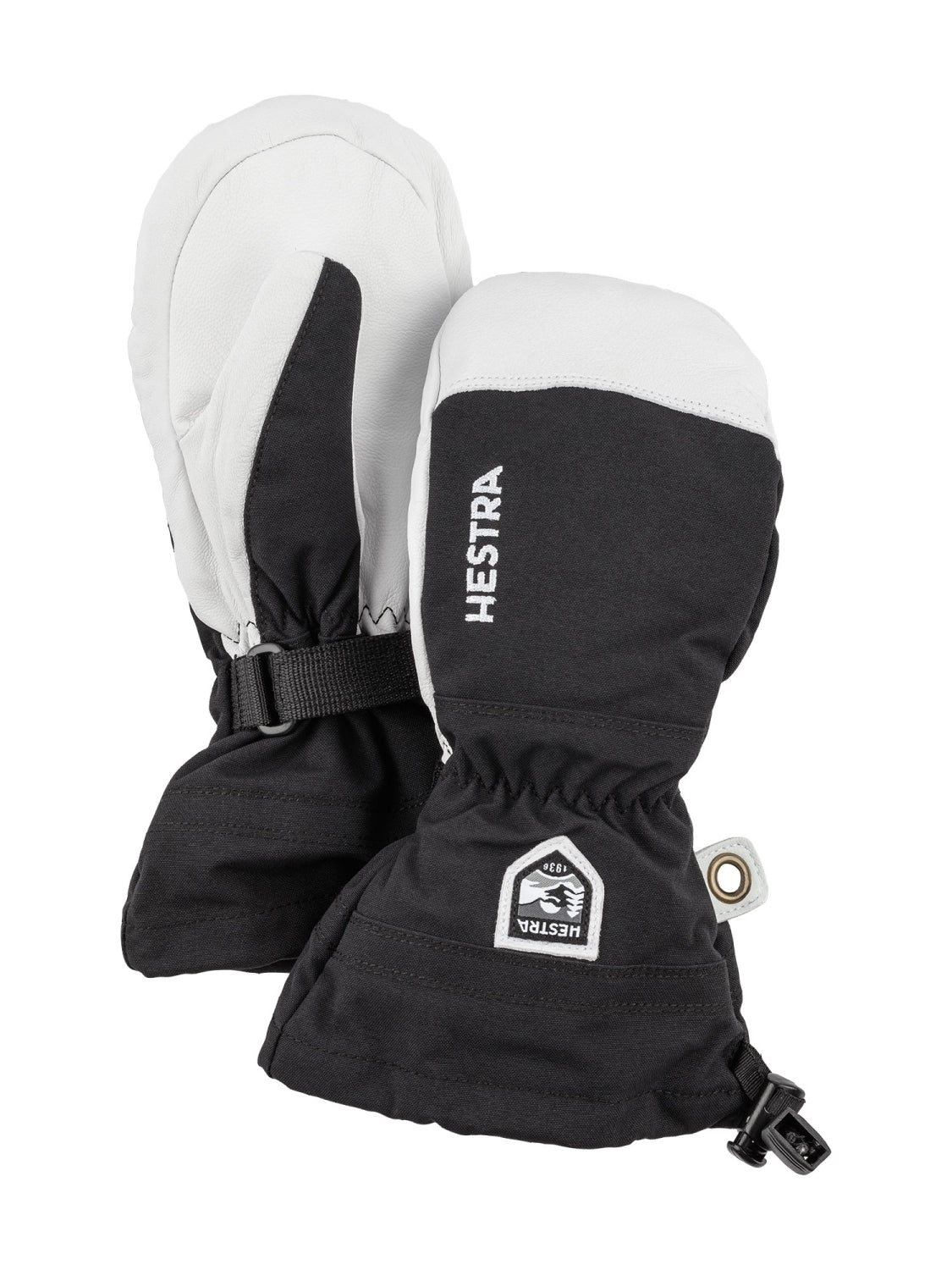
A mitten combines several fingers in a common area. This changes the construction and the way you grip objects. Those who need as much separate finger movement as possible should consider this difference. Those who prefer a mitten still choose based on specific insulation, material, and size. The shape alone is not an exact warmth indicator and does not allow for a general temperature comparison between arbitrary models from different manufacturers.
Split forms can offer a compromise, for example, by guiding one finger separately. The specific division determines how the glove can be used. Therefore, consider product images and description together. A name like three-finger does not explain all the details of the internal construction. Some models may have a different internal structure than the outer shape initially suggests. The desired handling remains the most important comparison criterion.
Matching warmth and intensity of movement
During active movement, hands can feel different than during longer breaks. A ski day often includes both situations. Therefore, choose the insulation according to your typical routine and personal warmth sensation. Thickness, lining, and outer material work together; none of these features alone provides a universal feel-good temperature. If a manufacturer uses its own warmth rating, it should first be read within that system and not automatically equated with another scale.
Too much tightness can impair a comfortable fit, even if the model is heavily insulated. The fingers need the intended space, while the glove as a whole fits snugly. A very large glove, in turn, is not a simple warmth solution if you have little feel for objects in it. Compare shape and insulation together. A suitable basic construction is more helpful than trying to compensate for every weakness with additional layers.
Check size against hand circumference and finger shape
Reusch describes size determination by the circumference at the widest part of the hand without the thumb. The value is then compared with the respective table. This is a sensible starting point, but it does not replace looking at finger length and hand shape. Different models may fit differently at the same number. Therefore, do not transfer a known size to a completely different construction or brand without checking.
Close your hand into a loose grip and pay attention to whether the material feels uncomfortably tight at the fingertips, thumb, or back of the hand. Then open your fingers again. The glove should allow movement and maintain its position. If you plan for an additional thin liner, this must already be part of the size comparison. Simply pushing any arbitrary additional layer into a tightly fitting glove changes the available space.
The wrist also needs a suitable closure. An adjustable strap should secure without cutting in uncomfortably. The position of a watch or an underlying sleeve edge can change the feel. Therefore, consider the glove and men's ski jacket as a combination. An comfortably insulated cuff may not work as well with several closures on top of each other. Precisely these transitions often determine the practical handling during the day.
Short cuff or long gauntlet?
A shorter cuff can lie under a suitable jacket sleeve and create a more compact connection. For this, the sleeve must offer enough space and be able to close properly. A longer gauntlet can be guided over the sleeve depending on the construction. It covers a larger transition area, but also requires a suitable width. No variant is fundamentally right for every jacket. What matters is how both parts close together.
Pay attention to the accessibility of the adjustment with the other gloved hand. A detail is only practical if you can operate it in the intended state. Putting on and taking off also changes depending on cuff length and inner lining. Consider how often you briefly take off your gloves on the go and whether the construction fits this process. Conspicuous equipment does not automatically have to be the simplest solution.
Distinguishing leather, textile surfaces, and membranes
A leather palm can characterize the grip and surface. Textiles on the back of the hand can fulfill other constructive tasks. A glove often consists of several materials, so a single fiber or leather specification does not describe the entire product. Even particularly robust-looking leather does not prove universal waterproofness. For moisture protection, the specific features and the overall construction are relevant.
Hestra, for example, distinguishes between its own CZone membranes and GORE-TEX versions. Such technologies belong to specific models and should not be transferred to the entire brand assortment. An outwardly similar glove can have a different construction. If you are explicitly looking for a waterproof ski glove, the exact model specification is therefore crucial. A known logo or a similar color does not replace this distinction.
Liner, interchangeable lining, and accessories
The term liner can refer to different articles. A thin inner glove, if suitably designed, can be worn additionally or alone for certain light uses. An interchangeable lining, on the other hand, is intended for a matching outer glove. Hestra expressly points out this distinction. Therefore, choose a replacement based on model compatibility and size, not just whether it has roughly the same outer shape.
A removable lining can allow for separate care and drying, provided the respective guidelines are followed. Not every glove has this. Therefore, do not forcibly pull out a firmly connected interior. An replacement lining is also not an arbitrary universal part. If a model exists in finger and mitten versions, the appropriate combination should be explicitly clarified before you select inner and outer gloves together.
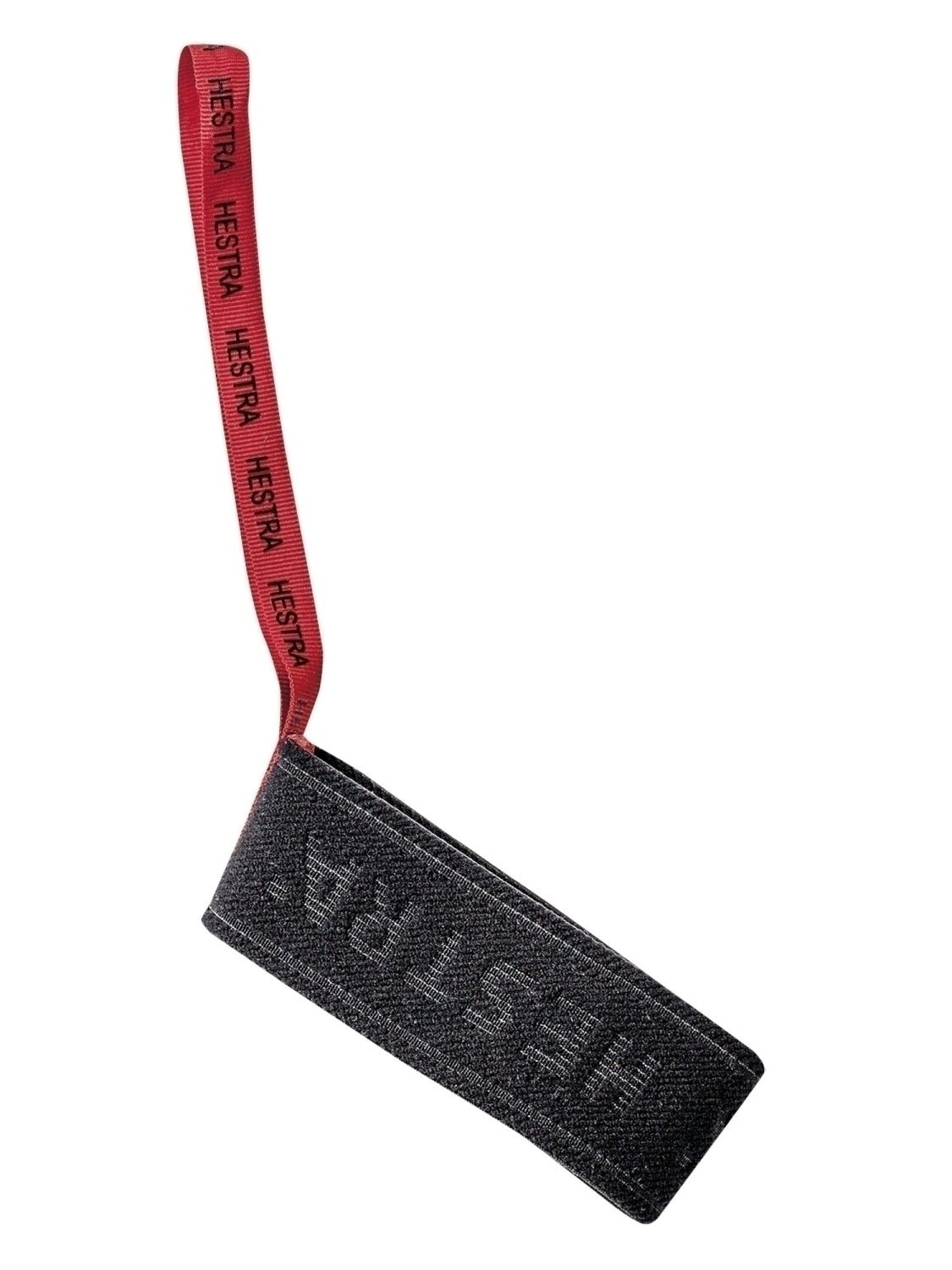
Hand straps, often referred to as handcuffs, are accessories for attachment to the wrist and not complete gloves. Whether they are included and whether suitable attachment points are present depends on the model. A carabiner or other accessories also do not automatically change warmth or moisture protection. Classify such parts according to their own task. This way, it remains clear during comparison whether you are choosing a glove, a lining, or an additional attachment.
Realistically assess operation and everyday details
Touchscreen suitability may be described for certain models, but should not be assumed for all materials. Also, consider whether you actually want to perform fine operations on the go with the selected thick glove. A function in the finger area does not replace a suitable length or a good grip feeling. For other hand movements, the closure type, loops, or an easily accessible pocket may be more important than an additional technical feature.
In everyday life, a subtle shape can match men's jackets, while a technical ski glove visibly has more volume. Choose the look as part of the use. A slim leisure glove does not have to cover an entire day on the slopes to be useful in everyday life. For a coordinated winter combination, beanies and other men's accessories can be complemented by color and desired coverage.
Care according to the actual construction
Hestra recommends for its ski and sports gloves that damp parts be allowed to dry completely after use and to avoid direct heat sources. Removable linings are treated separately if the construction provides for this. Always follow the specific care instructions. Leather, wool linings, and textile components can have different requirements. A general wash for all gloves is therefore not a sensible routine.
Suitable leather care may be provided depending on the model and can change the surface. Use only suitable products according to the manufacturer's instructions. Also, when handling skis and boots, pay attention to sharp edges or other parts that could damage the glove. Care is no substitute for careful handling. A clean, dry glove is easier to inspect for wear and damaged seams before you use it again.
Make a selection with clear priority
First, determine whether you prefer finger mobility, a mitten construction, or a specific combination with the jacket. Then add the desired insulation and a specifically needed weather function. Check size and grip with all planned layers. Only then follow color and additional features. For the complete piste look, men's ski apparel combines the individual parts, while the gloves fulfill their clearly defined task on the hand and sleeve cuff.
04At FREUDENHAUS
05Questions about the category