





Maloja: Sports, Leisure, and a Unique Perspective on the Mountains
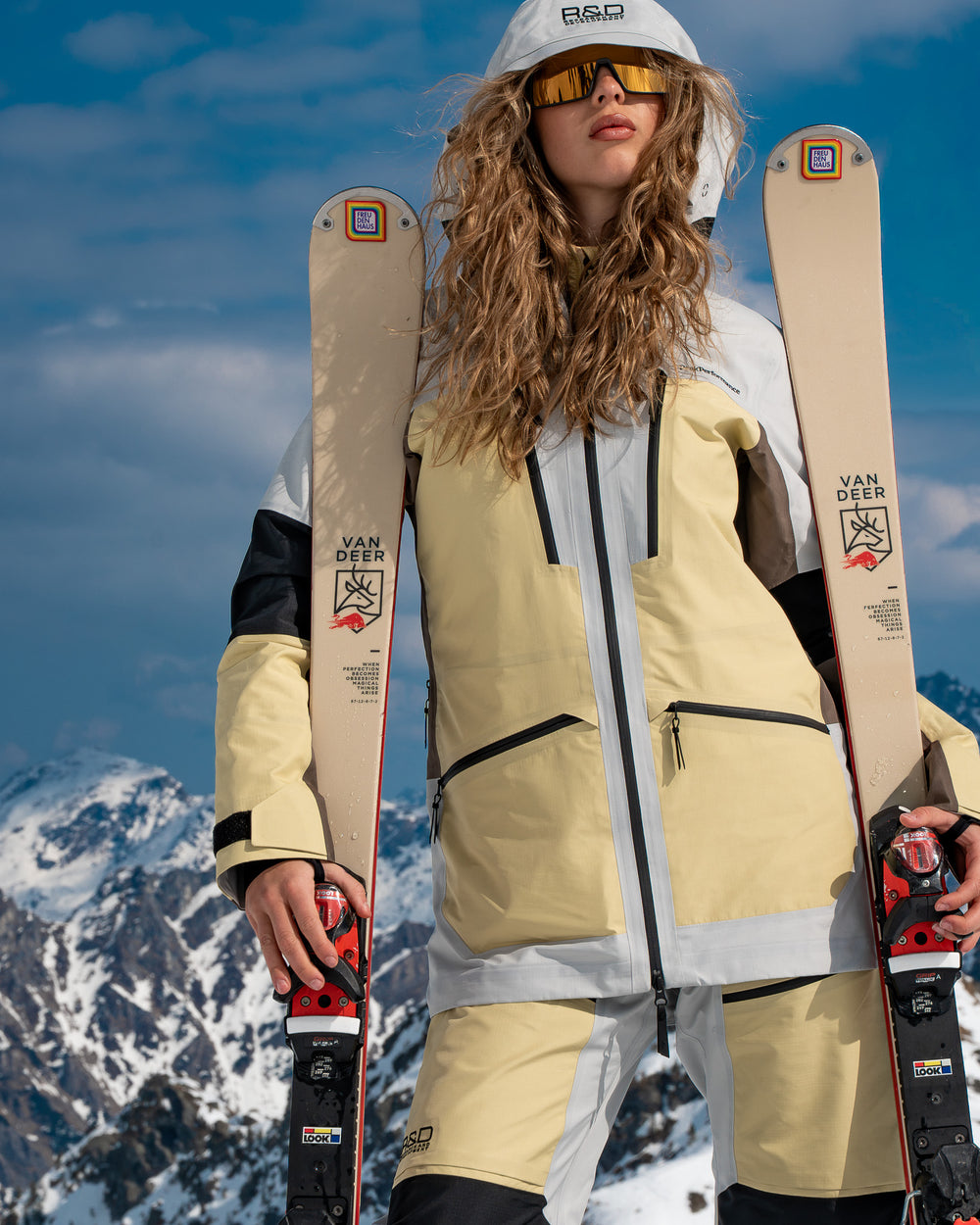
Maloja combines sportswear and streetwear with a design clearly inspired by nature and the mountains. A leisure shirt, a first layer, and a sweater each fulfill different functions. Here, you'll find guidance for your selection, from the RautM. to the VajoletM., and ideas for suitable colors, shapes, and layers.
02Discover
Categories.



03Einzelteile bewusst verbinden
New combinations
for everyday and active use.
Maloja: Connection to Nature with Individual Design
Maloja was founded in 2004 by Peter Räuber and Klaus Haas as a sports and streetwear brand. The name comes from a shared experience in the Engadin mountains; the company is based in Chiemgau. This combination of being outdoors and having a unique design perspective characterizes the brand's world. It also explains why functional clothing and casual wear exist side by side.
Maloja works with changing collection themes expressed in colors, patterns, and details. For your look, this doesn't mean you have to wear a complete themed outfit. A shirt, a cap, or a sweater can already make a visible statement. Decide which item you need for sports and which should complement your casual wardrobe.
Consciously Distinguishing Between Sportswear and Streetwear
The official Maloja world separates activewear and streetwear. This distinction is more helpful when choosing than a general impression of outdoor aesthetics. A casual shirt can fit your style well without serving the same purpose as a form-fitting base layer. Conversely, a sporty top does not automatically have to have the desired shape for a relaxed everyday look.
Therefore, start with the intended use: Are you looking for something for movement, an additional warm layer, or a top for your time off from sports? Then read about the material, cut, and features of the specific model. A mountain graphic, a technical model name, or a visible logo are not reliable substitute information for these details. The use results from the construction, not solely from the design.
RautM.: Incorporating a Shirt into Your Casual Wardrobe
A model like RautM. can initially be categorized by the basic questions of a shirt: How does it fit the body, where does the hem end, and how wide is the neckline? Check whether you primarily want to wear it alone or under an additional layer. For both uses, the same length can look different, especially in combination with high or low-cut trousers.
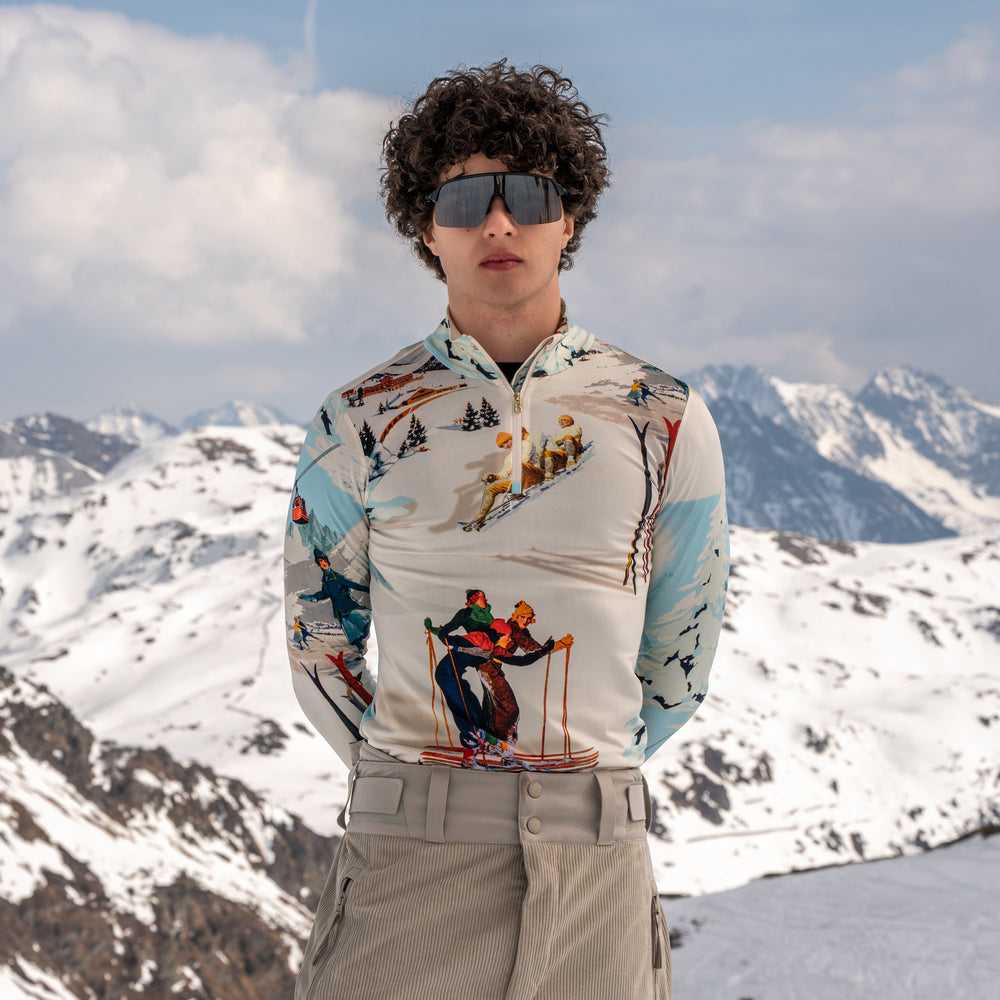
If there's a striking motif or a distinctive color, the rest of the combination can remain calm. Simple trousers and clearly shaped shoes give the shirt space. If you want to combine several colors, pick up a tone from the top in an accessory. This creates a connection without all garments having to carry the same pattern or brand name.
For additional styles, women's T-shirts and men's T-shirts help with comparison. Pay attention to the exact model assignment and the fit you actually want. A size designation alone says little about whether a shirt is body-hugging, straight, or deliberately looser.
CopperbeechM. and the Role of a Base Layer
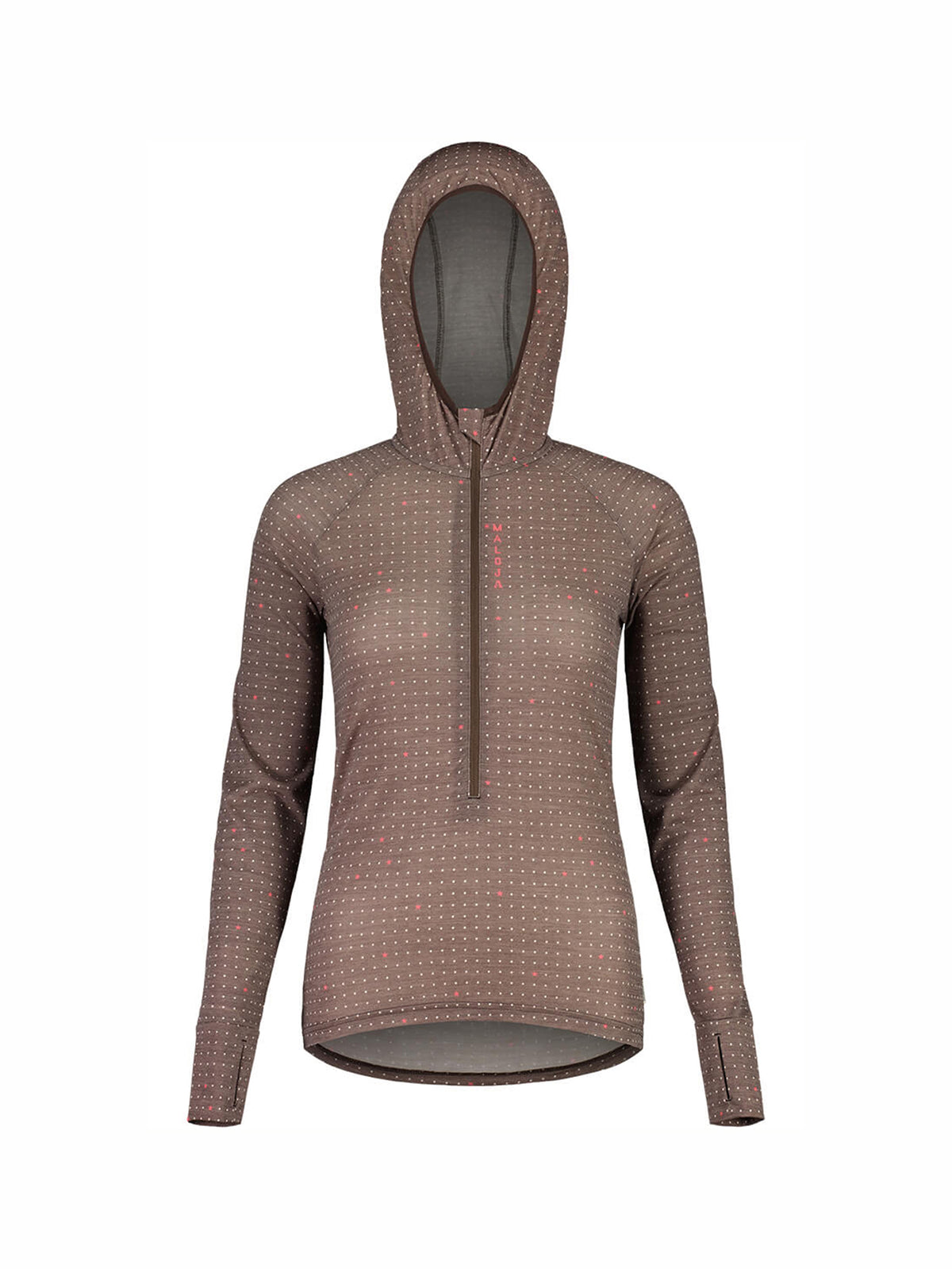
For a version described as ski underwear like CopperbeechM., a different task is at the forefront than for a casual shirt. The base layer is selected in conjunction with movement, outer layers, and your personal warmth requirements. For this, check the material and cut of the specific model, as well as the intended fit. Any shirt underneath can alter the planned layering system.
When trying it on, pay attention to the movements of your sport. The top should not pull uncomfortably or slip out of your trousers when you stretch your arms forward. Seams and finishes should not overlap annoyingly with the garments worn over them. The correct size is therefore not automatically the smallest you can squeeze into, but the one that combines the intended fit with movement.
The ski underwear category offers guidance for this role. Compare models there based on their actual construction. Terms like "baselayer" can be used in different contexts; therefore, always check whether it refers to the direct layer on the skin or a top worn over it. This way, your layering system remains understandable.
VajoletM.: Sweaters as Their Own Visible Layer
A sweater like VajoletM. brings a different silhouette to the look. Here, the collar, shoulders, and hem are not just functional interfaces, but also visible design elements. Decide whether you want to wear the top solo or regularly put a jacket over it. For the latter, there needs to be enough space in the upper arm and shoulder area, especially if the sweater has a deliberately loose cut.
Another upper shape can go well with straight trousers. If you want generally generous proportions, a recognizable hemline and a clear color choice help. With multiple layers, it's worth looking at the collar area: A high collar under a close-fitting jacket looks different from a crew neck. Plan this combination at the time of purchase, instead of judging each item in isolation.
KatzensteinM. and Small Color Accents
With a cap like KatzensteinM., you can pick up a color without changing your entire outfit. Besides the look, the decisive factor is how the cap sits on your forehead and ears, and whether you prefer a tighter or looser fit. A wide brim changes the visible height and thus the effect in relation to the jacket.
Consider a casual cap and a layer under a ski helmet as different applications. For wearing under a helmet, the combination must match the helmet's fit and manufacturer's approval. A thick cap should not simply be added if it alters the fit. For everyday use, on the other hand, you can decide more based on shape, material specifications, and desired coverage.
Combining Colors and Patterns to Work Together
Maloja invites you to think beyond pure basic colors. A patterned top can be combined with calm trousers, while a cap repeats a single tone. If you want to combine two patterns, a difference in their size or distinctness helps. A strong main motif and a more subtle second element are often easier to combine than two equally dominant areas.
Even a predominantly monochrome outfit can look like Maloja if the cut and small details are right. You don't need the largest possible number of logos for this. Choose the part of the design you like and let the other elements support your actual use. For sports classification, women's sportswear and men's sportswear provide a supplementary overview.
Deliberately Narrowing Down a Selection for Women and Men
The Maloja brand world includes various women's and men's models. Always compare the specific cut, instead of universally applying a known size to every product group. For tops, chest width, back length, and sleeve length are important; for an additional layer, the space for what is worn underneath also counts. A familiar shirt can serve as a reference, while a completely differently constructed sweater can only do so to a limited extent.
If you are between two sizes, start with the intended use. Different fit goals apply to a direct base layer than to a casual sweater. Note where you need more space and where a firmer fit is important. This allows for a more objective decision than the general question of whether a brand runs large or small overall.
Continuing Your Maloja Wardrobe Sensibly
Choose a new item based on the role it plays in your existing combination. A RautM. shirt can complement your casual look, a suitable base layer can enhance your sporty setup, and a cap can provide color cohesion. These are different tasks that cannot be solved by the same material or size comparison. Therefore, keep the information for the specific model.
For care and drying, the respective labels also apply. Sports-oriented materials, knitwear, and printed casual tops can have different requirements. Do not treat them the same just because they come from the same brand. With a clear separation of function, cut, and design, you can combine Maloja in many ways and make targeted use of the special features of each individual garment.
04This brand at FREUDENHAUS
05Questions about the brand