



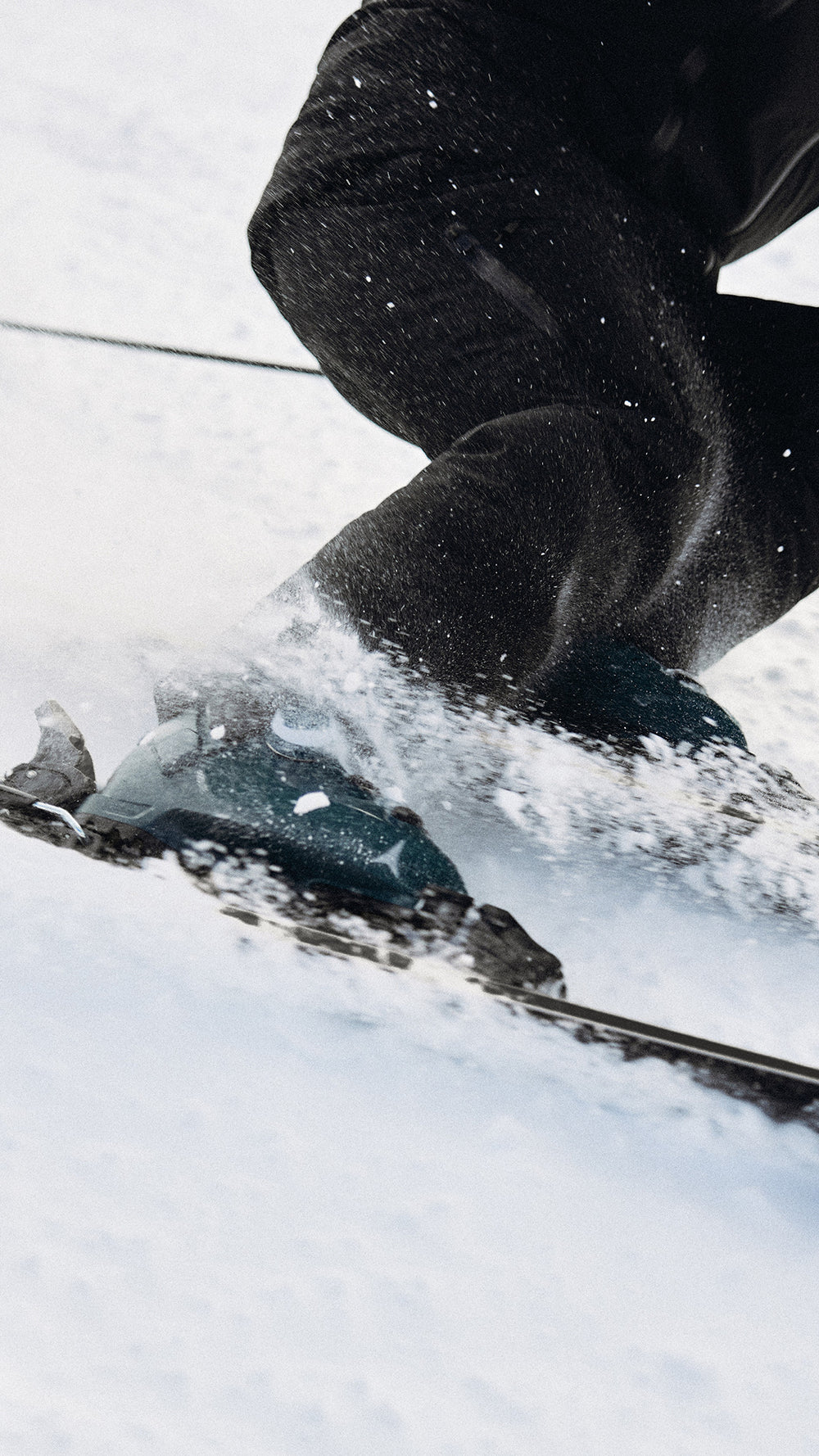


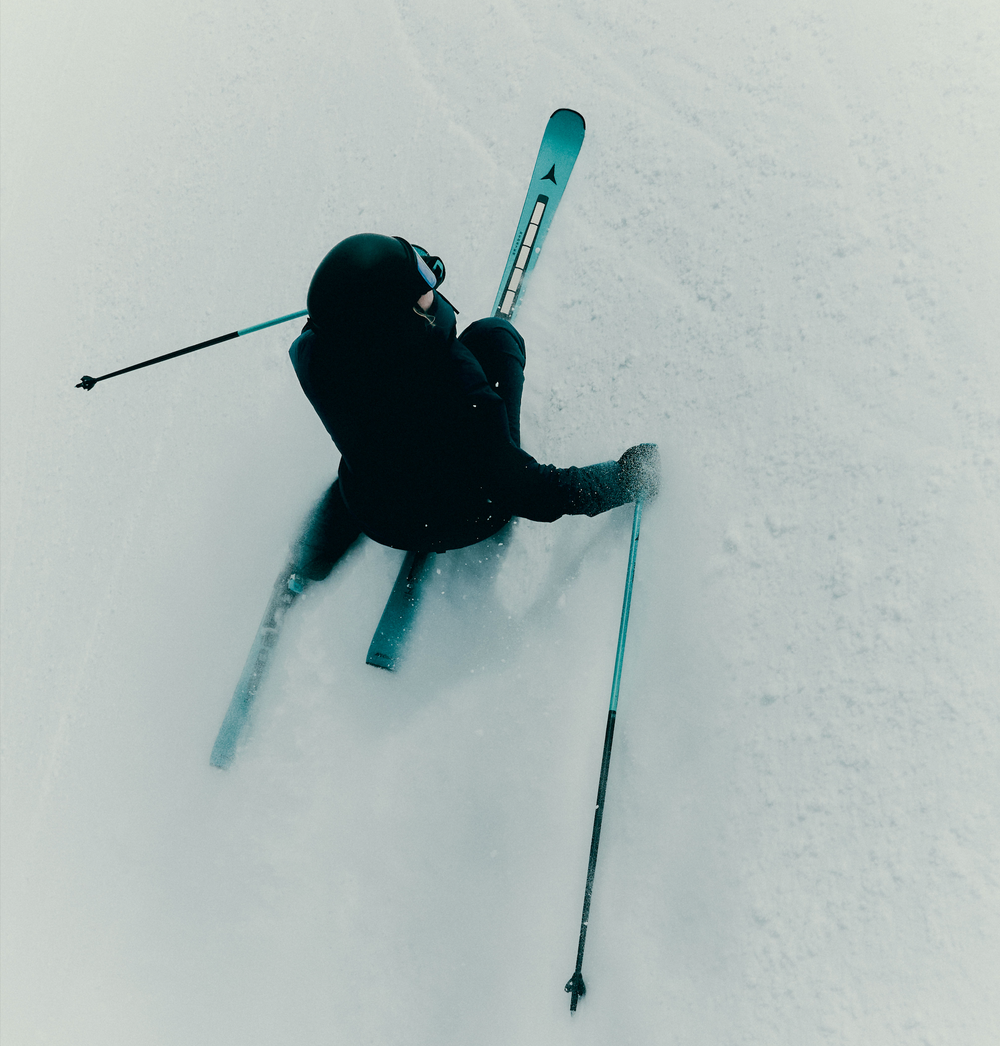

Freeride skis for your planned off-piste use
Freeride skis vary depending on whether they are designed for soft snow, variable conditions, or personal riding style. At FREUDENHAUS Obertauern, you can discover suitable concepts and compare width, profile, length, and construction. Consider bindings, ski boots, and your actual terrain use together. This way, the selection becomes concrete and matches your experience as well as your planned days on the mountain.



Choosing Freeride Skis by Terrain, Snow, and Experience
Freeride skis are designed primarily for off-piste use. However, within this category, there are different focuses: soft snow, variable conditions, a playful character, or a more directional riding style. A wide ski is therefore not a complete answer to the question of which model suits you. At FREUDENHAUS Obertauern, the comparison begins with your actual plans and experience.
Describe your envisioned days as concretely as possible. Do you want a specific addition for soft snow or a model that can also handle a significant amount of on-piste skiing? Is it primarily about lift-accessed descents, or do you plan ascents with suitable equipment? These differences influence the entire setup. The ski is an important part of it, but not the only decision.
Soft Snow and Mixed Conditions Are Different Challenges
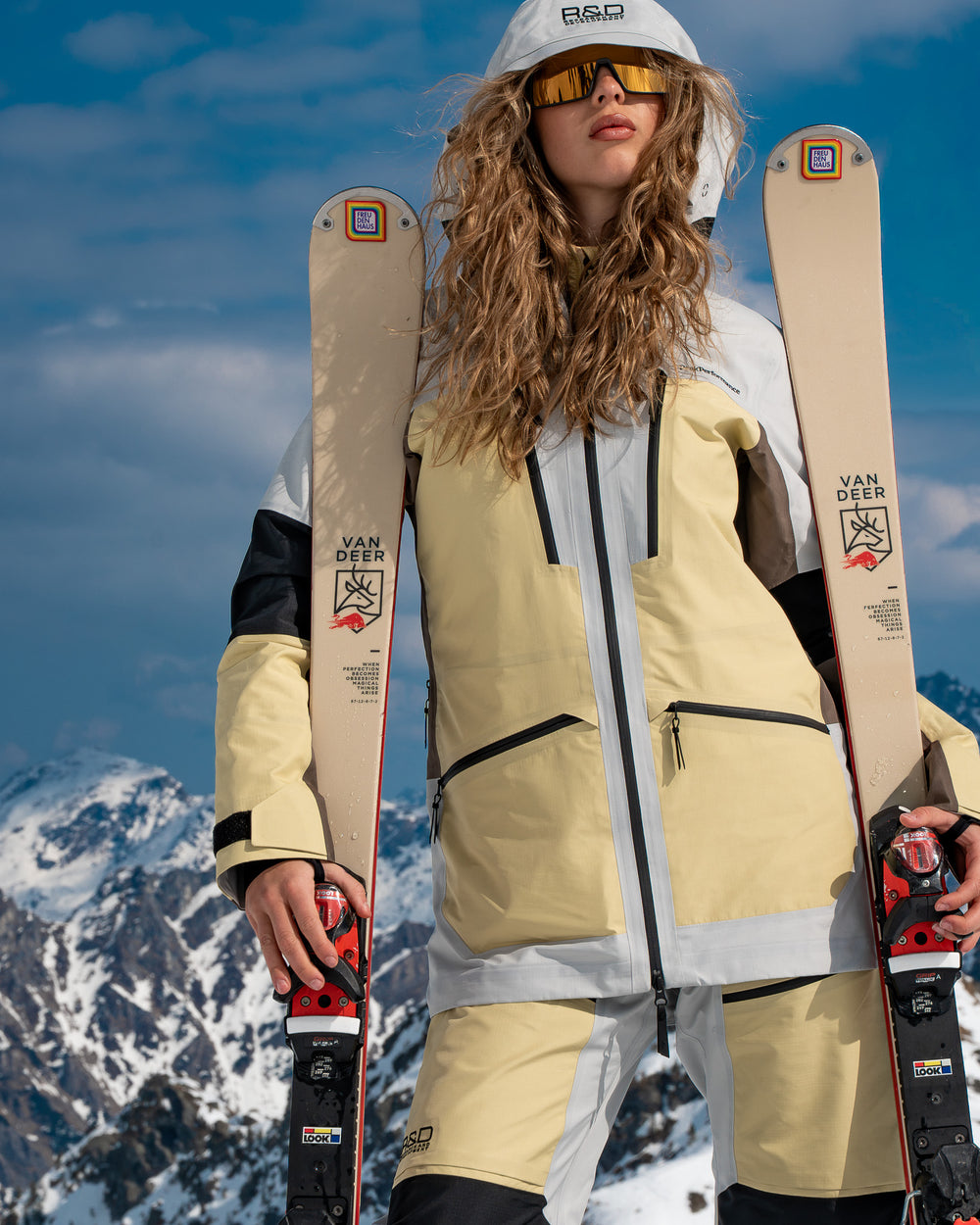
A strong powder focus may emphasize different characteristics than a model for frequently changing snow conditions. Manufacturers therefore often classify their freeride skis along different areas of use. VAN DEER, for example, differentiates within its Freeride series between the FREERIDE 98, which is suitable for mixed snow and powder, and the FREERIDE 108, which is more powder-oriented. This shows a gradation within the same brand world.
For your selection, it is important how often you actually experience your preferred conditions. A rarely occurring ideal day should not automatically displace every other use. If you regularly combine several snow types, describe their proportion. This way, you can compare more specifically which orientation supports your usual descents and where you consciously make a compromise.
Considering Waist Width within the Complete Concept
The width underfoot is a clearly visible geometric specification. It helps in classifying different models but does not explain their entire shape or complete character. Shovel, tail, profile, and construction are also part of it. A comparison based solely on millimeters can therefore make two quite different concepts appear seemingly identical.
VAN DEER specifies a waist width of 108 millimeters and a strong off-piste focus for the FREERIDE 108. Atomic, in turn, describes the Bent 110 as a freeride model with a more playful concept and its own profile design. Such manufacturer examples make the different emphases visible. They are not a statement that a certain width would be right for all skiers or all snow conditions.
Understanding Rocker, Camber, and Tail
The side profile shows how the shovel, mid-section, and tail are designed. An early rising section is called rocker; camber underfoot is often described as camber. Freeride constructions combine these elements to varying degrees. For the Atomic Bent 110, for example, the manufacturer mentions rocker at the tip and tail along with camber underfoot.
The effect depends on the entire model. A similarly named profile can have a different distribution or expression, and the tail can be more or less upturned. Therefore, evaluate the profile description together with the stated target group. A single word like rocker should not stand for the entire decision. What is interesting is what shape the manufacturer implements for the intended use.
Playful or More Directional Character?
Some freeride concepts emphasize versatile, playful use, while others focus on a more distinctly directional line choice. Such descriptions give clues about the intended use but are not uniformly standardized measurements. Ask yourself which movements and riding feel you prefer. Do you want a ski whose orientation better suits your usual guidance, or are you consciously looking for a different characteristic?
Describe your experiences with your previous equipment. What felt pleasant in softer snow, where did you wish for different feedback? Such observations can be better classified in a professional consultation than a general desire for the best freerider. The suitable construction depends on you, your skills, and the actual planned descents.
Do Not Reduce Flex and Construction to a Single Material
Wood cores, reinforcements, and sidewalls are components manufacturers use to explain the construction of their skis. They work together within the specific construction. A material list alone therefore does not reveal how the model will feel to you. Nor does a specific reinforcement make all skis from different brands or lengths directly comparable.
Pay attention to the described orientation and what demands it places on your riding style. A more direct concept may suit an active style, while for other preferences, you might be looking for a different emphasis. More stiffness or higher technical effort is not automatically better for everyone. The right choice arises from the interaction with your experience and the desired use throughout the day.
Determining Ski Length Appropriate to the Model
Length selection considers body height, weight, experience, use, and the respective profile design. A nominal length alone does not indicate how two different freeride skis compare. Especially different rocker and tail designs should be considered in conjunction with manufacturer recommendations. A general formula that only changes your body height by a fixed value would be too crude for this.
Use the recommendations for the specific version and discuss any uncertainties professionally. Do not automatically choose the length of your previous piste ski if you are simultaneously switching to a significantly different construction. Also, consciously aiming for future skill should not displace current requirements. The ski should match your actual control and intended use.
One Pair for Everything or a Supplement for Special Days?
As a complement to an existing piste ski, a freerider can take on a clearly different role. Then it's worth considering when you would use which pair. If both choices ultimately aim for the same conditions, the division of roles may be less clear than expected. A consciously different orientation, however, can be precisely the desired expansion of your equipment.
If you only want to use one pair, the frequent on-piste portion must also be part of the selection. In this case, also compare all-mountain skis, whose concepts may weigh the areas of use differently. Categorization alone does not decide suitability. First, describe your everyday life on the mountain and then look for the construction whose focus best matches it.
Separating Lift-Accessed Freeriding and Freetouring
A ski for lift-accessed descents and a setup for ascents with skins are assembled under different overall requirements. For ascents, the designated components and functions are added. A wide shape or a low specified weight does not automatically confirm this suitability. Ski, boot, and binding must explicitly match the planned use.
Therefore, compare the entire system before selecting a single part. If you want to continue using existing components, gather their exact model details. A freeride ski does not become a suitable touring solution simply by adding any other binding. Which combination is actually approved and sensible should be professionally assessed based on the specific products.
Matching Binding and Boot
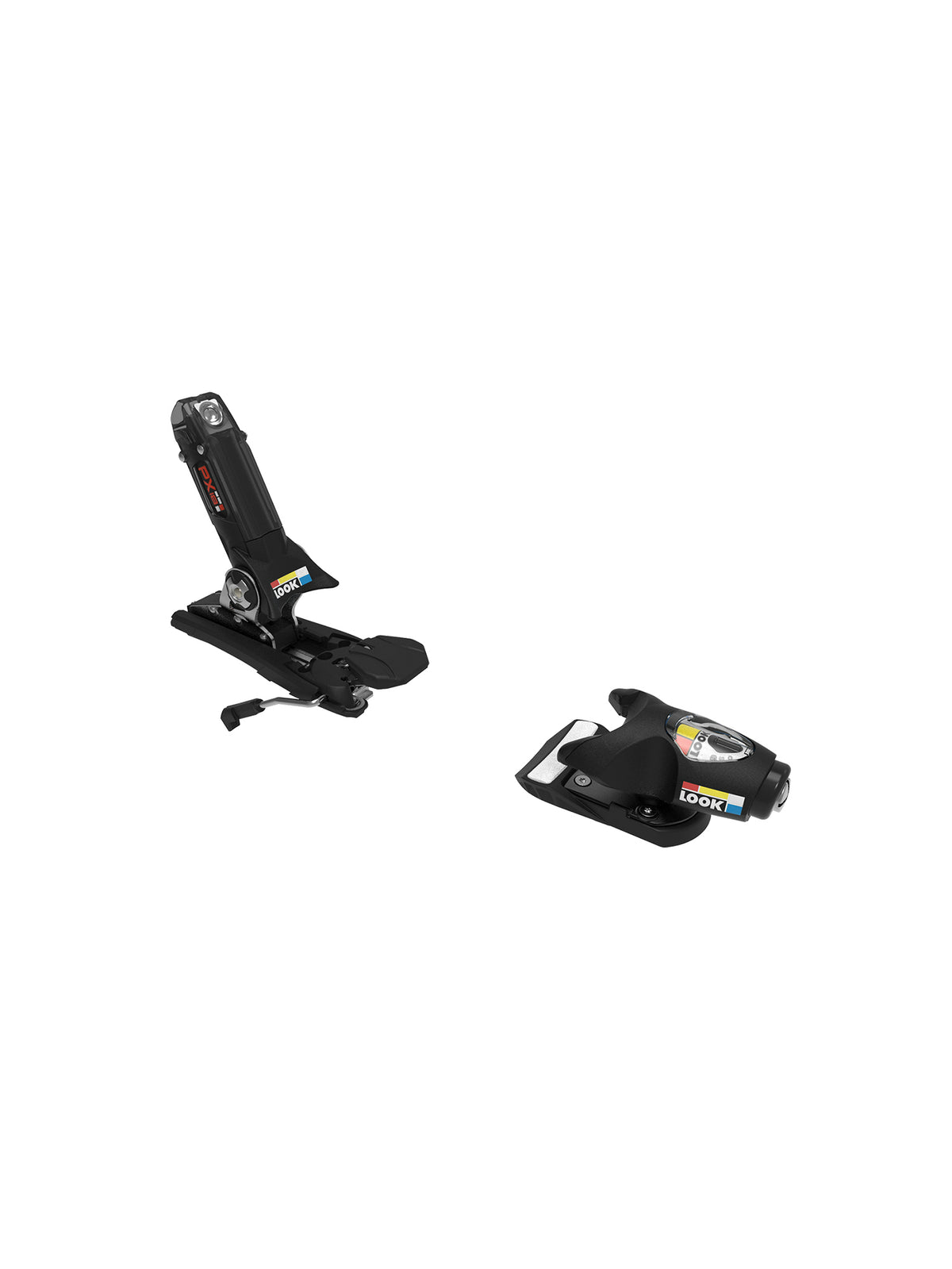
For ski bindings, the intended use, mounting concept, and confirmed boot compatibility are crucial. A visually compatible connection is not sufficient proof. Different sole designs and systems must not be equated without testing. Manufacturer specifications for the specific combination take precedence over assumptions based on similar names or shared brand logos.
Your ski boots must also fit the task and be individually suitable. Have the system mounted, adjusted, and checked by qualified specialists. A binding included in an offer does not replace this work. If the boot or sole design changes, the combination must be professionally reassessed. This keeps the focus on the complete setup and not just on the new ski.
Fairly Comparing Weight and Scope of Delivery
Weight specifications require a clear reference. They can be given per ski, for a pair, or for a specific length. It also makes a difference whether a binding is included. Only compare comparable values and assign them to your use. A low weight is not automatically the most important selection goal for every downhill focus.
Also, check what the price actually includes. A single ski item, a set with bindings, and a separate binding are different offers. Model version and length should be clear before you compare prices. Additional mounting or service costs should only be planned if they are confirmed in the specific offer. Manufacturer examples explain the construction but do not prove current shop availability.
Preparation in Unsecured Terrain is Part of It
Off secured slopes, material choice is only part of the preparation. The German Alpine Club emphasizes the importance of avalanche bulletins, personal assessment skills, and suitable emergency equipment. This includes an avalanche transceiver, probe, and shovel, as well as practiced use of them. Merely carrying this equipment does not replace training and situation-appropriate decision-making in the terrain.
Plan your use according to your experience and, if necessary, use qualified training or guidance. A specific ski, a wider model, or a sporty manufacturer description does not automatically make a descent suitable. The choice of material should arise from a responsibly planned undertaking. This page helps with product comparison; the specific assessment of the terrain and current conditions remains an independent task.
Distinguishing Manufacturer Examples and Actual Product Versions
Well-known families like VAN DEER FREERIDE or Atomic Bent facilitate orientation because their manufacturers explain the respective basic idea. Within a family, however, differences can exist between widths, lengths, and versions. Therefore, do not choose solely based on a familiar designation. The technical data must precisely match the model you want to compare.
Your own experience with a previous version is also a starting point, not an automatic equation. Check whether the construction and geometry actually match. If you are looking for a specific riding feel, describe it as concretely as possible and link it to the current model specifications. This way, you use what is familiar as guidance without overlooking important differences.
Refining Your Freeride Selection to a Clear Need
Before making a decision, summarize what snow types, what percentage of on-piste skiing, and what type of access characterize your days. Add your experience, body measurements, and data for existing components. Then compare suitable models based on profile, construction, length, and scope of delivery. This order makes different concepts more tangible than a search for the maximum width or the most eye-catching technology term.
A suitable freeride ski is one whose orientation matches your actual plans and can be combined with a professionally coordinated setup. Once this foundation is clear, you can also consider personal preferences within the suitable variants. The technical selection remains related to your use and plays a comprehensible role in your overall equipment.
04At FREUDENHAUS
05Questions about the category