






Norrøna: the perfect line for skiing, touring and activity
Norrøna organizes its clothing according to different mountain sports worlds. lyngen, lofoten, and møre focus on various aspects of skiing and ski touring; trollveggen, falketind, and senja cover additional tasks. Here you will find an understandable selection guide for shells, insulation, and mid-layers, so that the model family and actual use match.
02Discover
Categories.



03A layered selection
Each layer has its purpose.
Understanding Norrøna through its Model Families
At Norrøna, family names are a useful guide to clothing. They describe different areas of use, from ski touring and freeride to mountaineering and running. For your selection, this is more specific than a general search for an outdoor jacket. Therefore, start with the focus of your activity and then read what role each individual garment plays in it.
The same family can contain multiple layers. Pants with GORE-TEX, an insulating top, and a lighter model can share the same name without serving the same purpose. Conversely, suitable pieces from different families can be combined. The decisive factor is that the cut, thermal insulation, and external requirements match, and that you assess the specific design.
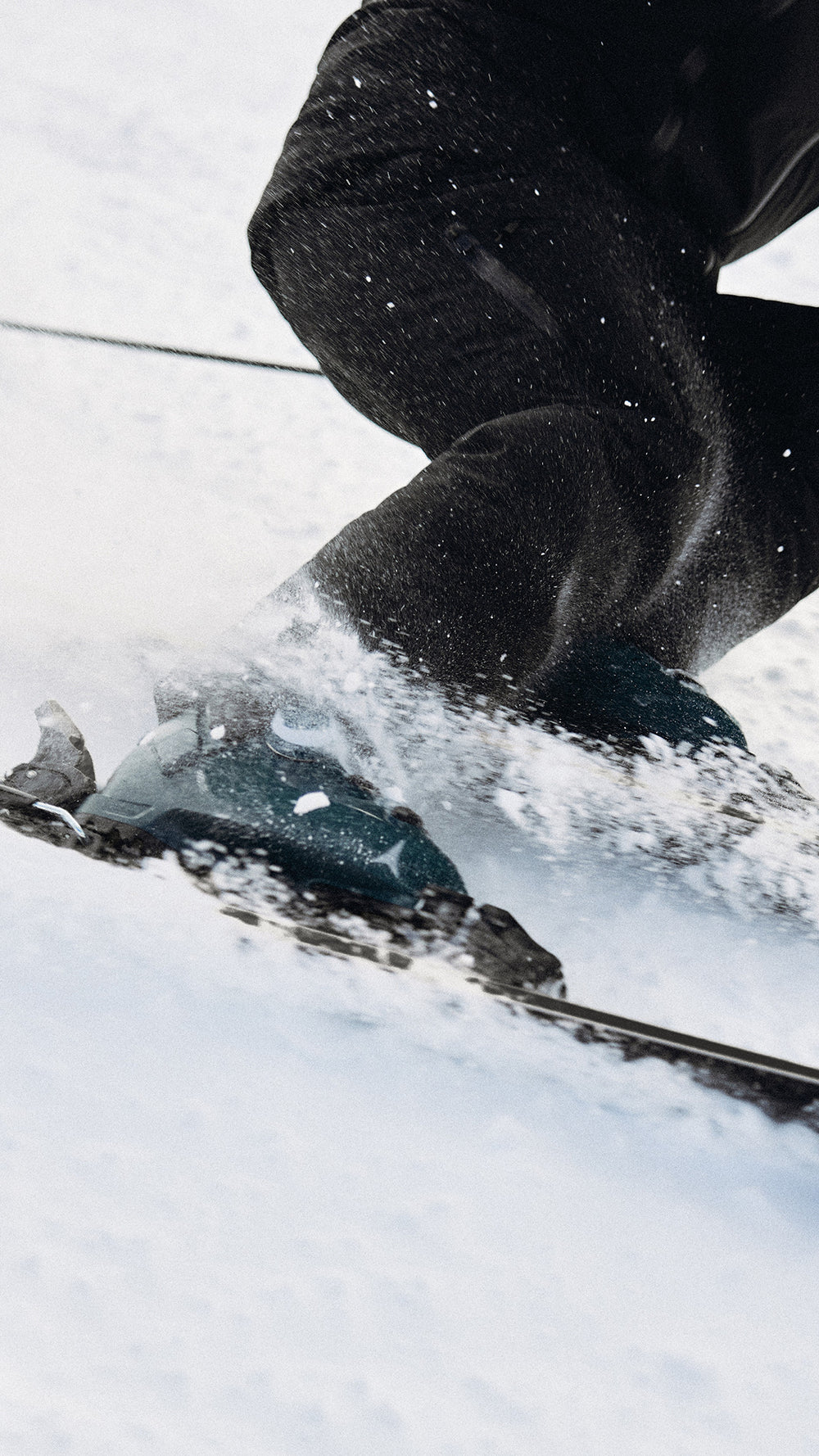
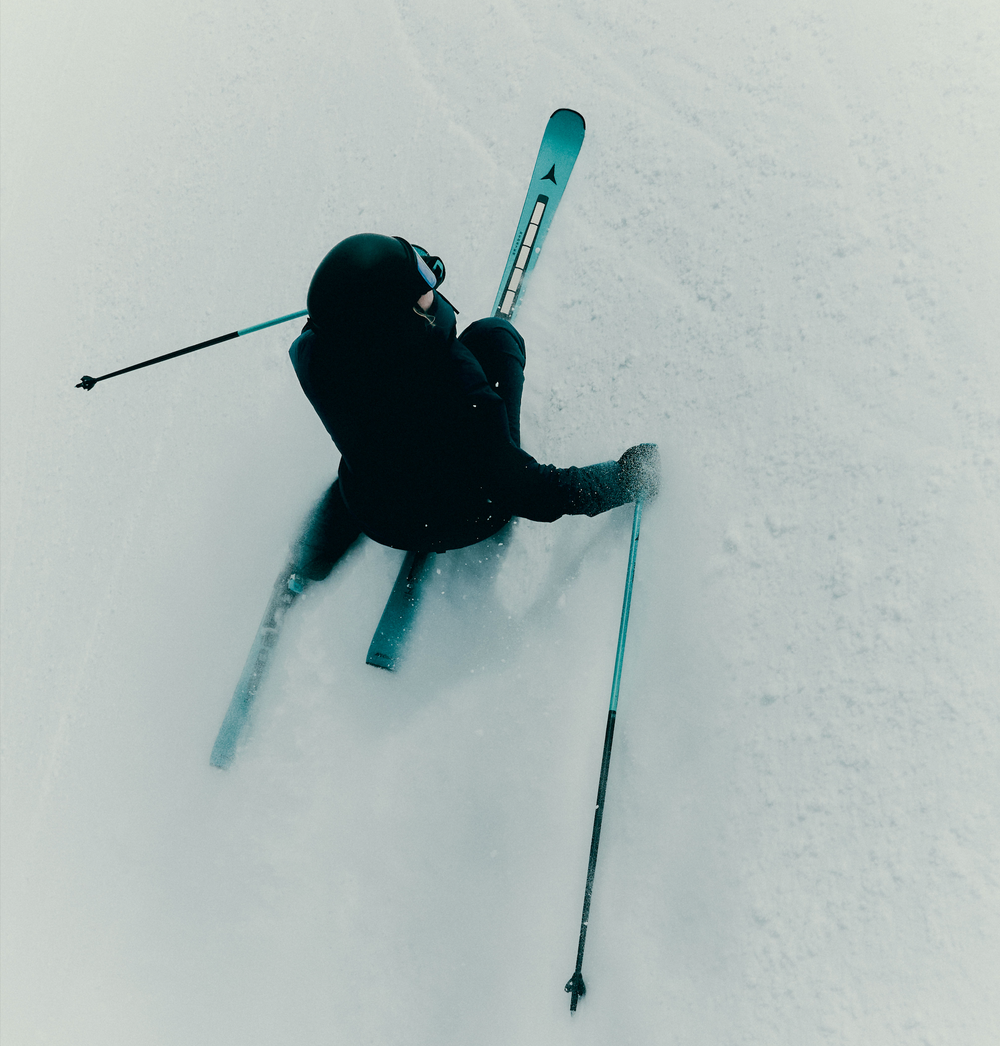
lyngen, lofoten, and møre: different ski worlds
Norrøna primarily assigns lyngen to ski touring. In the brand's world, lofoten stands for freeride, while møre combines freeride and touring. This classification helps you understand the direction of a model. However, it does not mean that every product in a family has the same materials, pockets, or fits. The full name remains important for comparison.
Consider how much of your time is spent on ascents, descents, and calmer phases. Those who move under their own power for extended periods have different requirements for their combination than someone who primarily relies on lift assistance. A garment should be chosen according to this actual process. The most exciting description of a special application is not automatically the best basis for your usual ski day.
If you are torn between two families, compare similar garments and their specific details. A møre salopette and lyngen pants differ not only in name but also in their basic shape. A lofoten Thermal Pro Hood, on the other hand, is a different layer than an outer shell. First, separate these roles before weighing individual features against each other.
GORE-TEX Models and the Outer Layer
With lyngen GORE-TEX pants or a møre GORE-TEX jacket, the connection to a specific weather protection construction is already in the name. Nevertheless, read the complete product description: material composition, cut, openings, and reinforcements can differ. The outer layer is also chosen together with the layers worn underneath. It needs sufficient space for your planned layering.
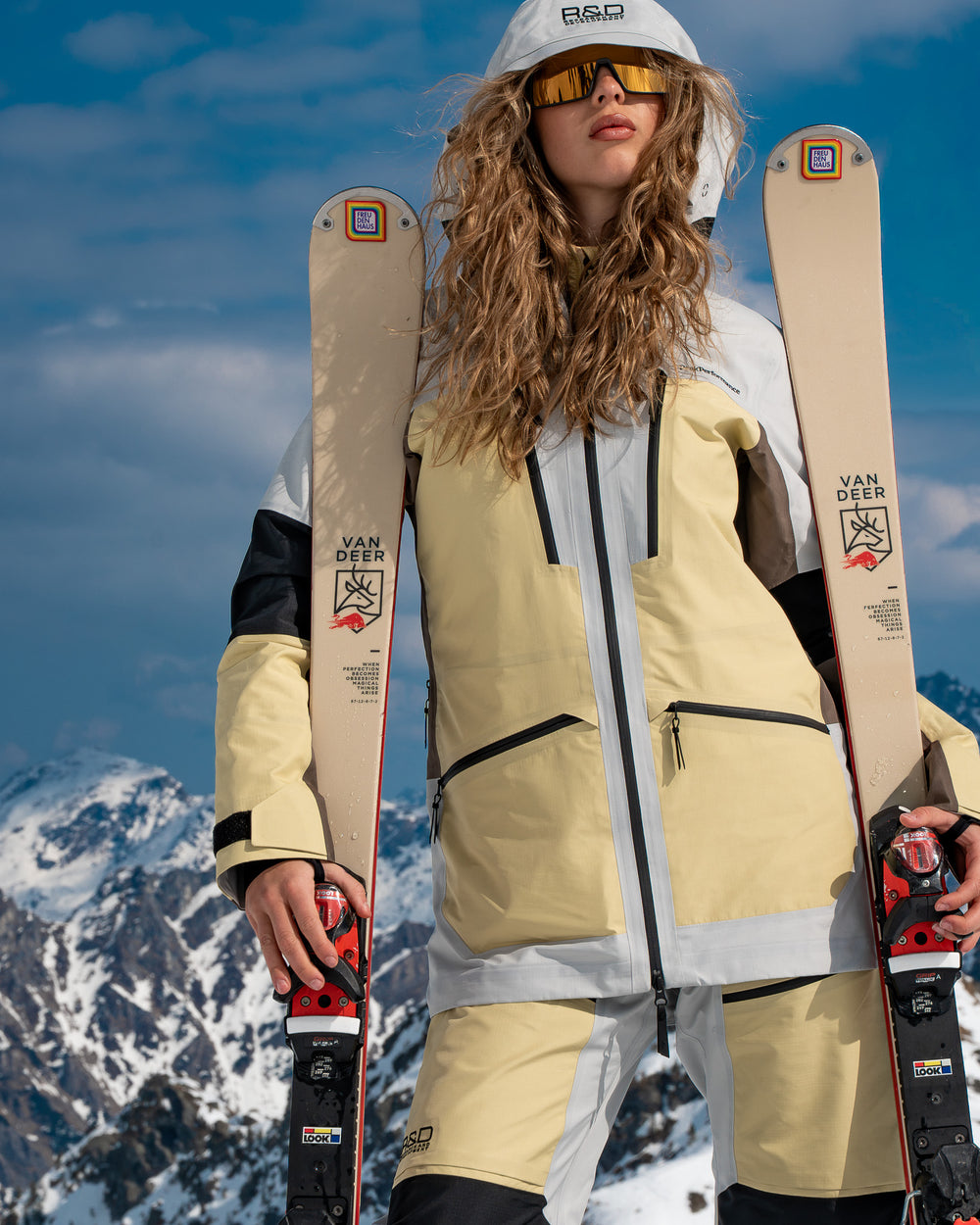
For a shell, it is particularly important how you use its functions on the go. Are pockets accessible with a backpack? Can intended openings be operated with gloves? Does the hood suit your use and, if applicable, the appropriate helmet combination? Such questions put technical specifications into a practical context. They help you choose a model specifically, instead of just looking for a familiar material name.
The categories Hardshell Jackets for Women and Hardshell Jackets for Men support the comparison of outer shapes. Check the jacket closed with the planned layers. Shoulders, back, and upper arms should offer enough space for ski-specific movements without you having to achieve the fit solely by choosing a larger size.
Distinguishing Salopettes and Classic Pants
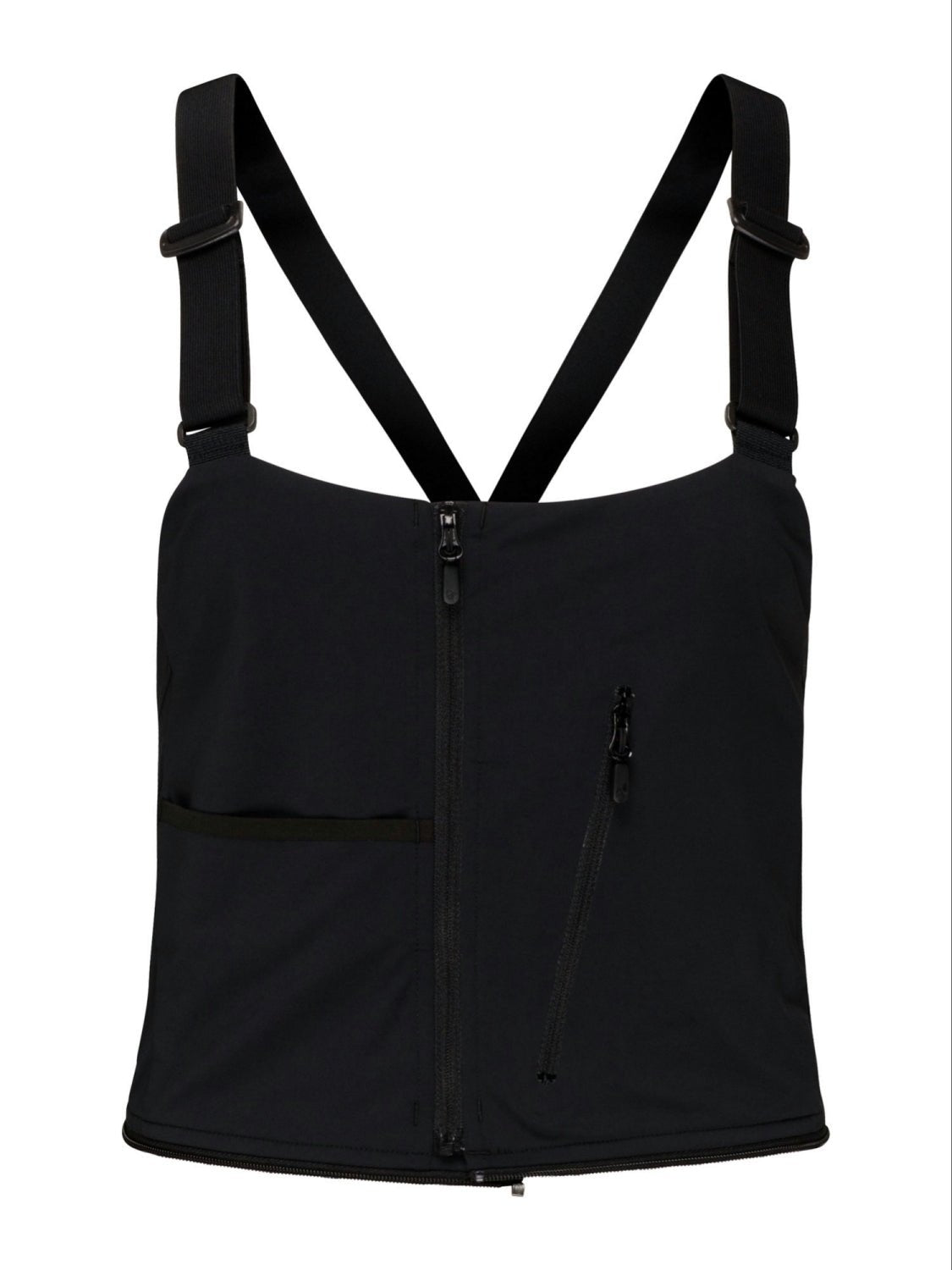
A møre GORE-TEX salopette has a different basic shape than pants that end at the waist. The higher cut and straps change how it sits on the upper body and interacts with the jacket. When trying it on, therefore, check not only the leg length and hips, but also the freedom of movement forward and the space for the top worn underneath.
For classic pants, the waistband solution and the connection to the upper garment are more central. Pay attention to whether the fit remains comfortable in the downhill position and which adjustments are actually provided. Then decide which construction you prefer to use. A salopette is not more practical for everyone just because of its higher cut, nor are lower pants automatically more versatile.
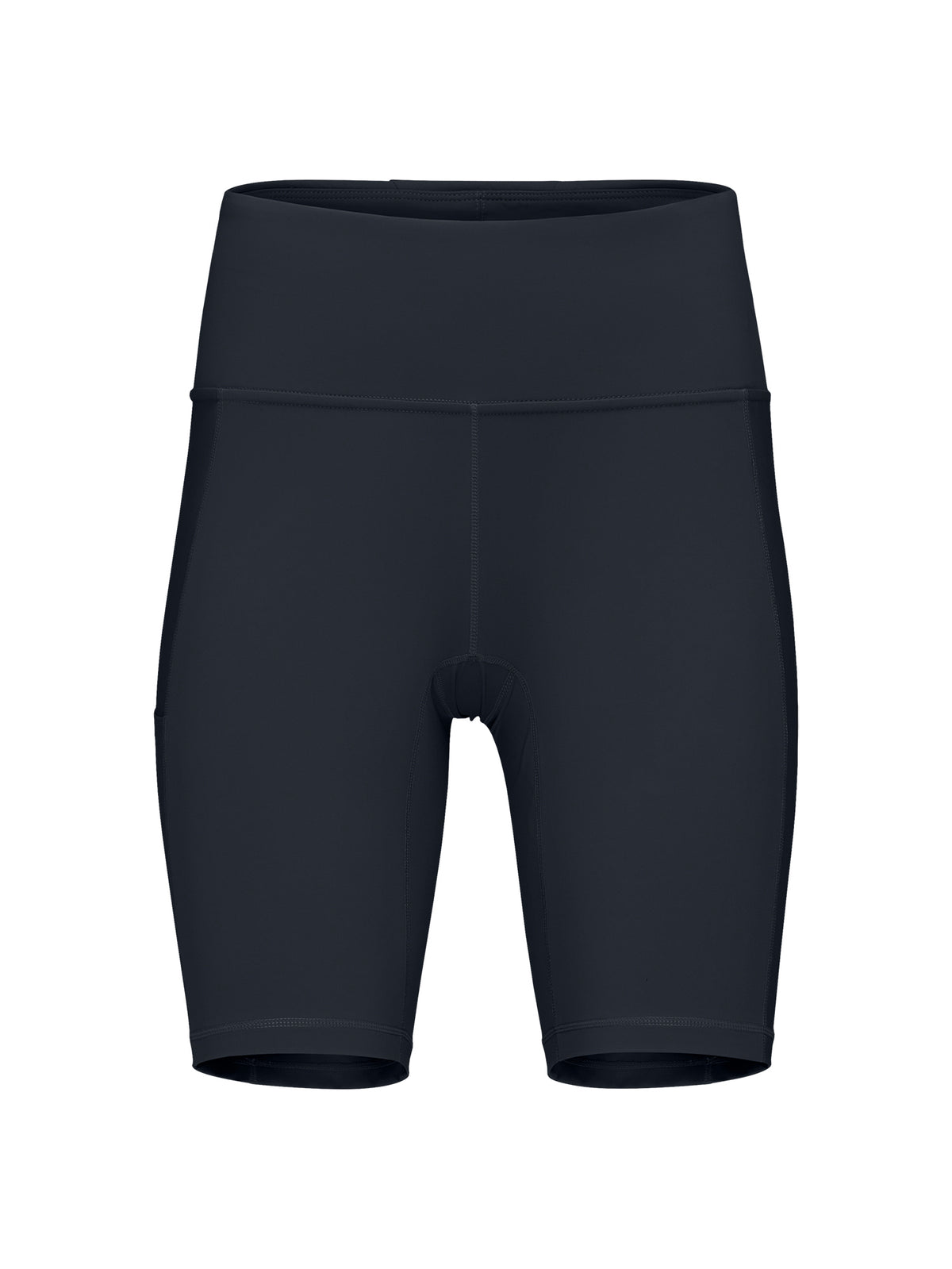
Under Ski Pants for Women and Ski Pants for Men, you can compare leg styles and hem shapes. Include your ski boot. The hem should work with its volume and the intended construction. A suitable inseam length remains important, even if pants are deliberately cut for movement.
flex1 light: checking the application on the model
A lyngen flex1 light pant should not automatically be classified like a GORE-TEX pant. The name refers to a different material and model direction. For your selection, this means reading the specific description of mobility, weight, and intended use separately. A similar color or the same family assignment does not make two pants functionally identical.
Consider what conditions you want to cover with the pants and whether you plan for additional layers. Also, check the leg cuffs with the intended shoes. A lighter, movement-oriented model may have different priorities than outer pants for different weather conditions. Decide based on this actual difference and not on a simplified ranking from thin to thick.
Thermal Pro, Octa and Alpha90 as separate layers
lofoten Thermal Pro Hood, møre Octa and falketind Octa are examples of why looking at the specific garment is more important than a general category. Such tops are considered in the construction of your clothing and not understood as a complete outer weather layer solely because of a shop assignment to a jacket. Check the material, construction, and the role described by the manufacturer.
Even with a lyngen Alpha90 version, it's about a different decision than with the shell. The brand world shows this direction in the area of active insulation. For you, the intended activity and the space under the outer layer are important. A warm impression during a short try-on does not yet explain how useful the combination is for your planned transition between movement and rest.
Consciously compare collar, hood, and zipper. A top that can be opened completely is handled differently than a closed pullover. A hood needs a sensible place in the overall combination. If several layers come together at the neck, the area should remain comfortable even when closed. The category Midlayers for Men offers supplementary forms for such a comparison.
trollveggen down800: purposefully planning insulation
Norrøna describes the trollveggen down800 super light world as lightweight down insulation for mountain activities. This refers to a different role than an outer shell. When making your selection, pay attention to whether you are comparing a hood, jacket, or other model. Hood, cut, and design can differ, even if the same down800 reference appears in the name.
Consider when you want to use the additional insulation. For a calmer phase, a different combination might be useful than for a strenuous ascent. Also, check whether the piece should be worn under or over an existing layer and whether the cut is suitable for it. A desired small pack size should not lead to the actual role in thermal insulation remaining unclear.
A number in an insulation designation does not explain the complete warmth of a garment. Fill quantity, construction, coverage, and the rest of the clothing also play a role. Therefore, compare the complete design and your needs. The decision for an insulating layer is an addition to your system and not a substitute for appropriately chosen outer clothing.
falketind and senja for other forms of movement
Norrøna links falketind with mountaineering and senja with trail running. A falketind equaliser merino top and a senja equaliser T-shirt should therefore be compared based on their specifically described use. Material reference and cut provide additional clues. The shared designation "equaliser" is not a sufficient basis to classify all variants as the same first layer.
When choosing a running shirt, you should particularly check the movement of the arms and upper body, as well as the connection with any backpack worn. For a layer for other mountain activities, other priorities may apply. Therefore, don't just choose based on a familiar size. A tighter or wider cut should fit the intended use and provide space where you repeatedly move.
Choosing Women's and Men's Models Based on Actual Fit
Within the Norrøna world, there are different women's and men's variants. Check back length, shoulders, hips, and the design of the sleeves or legs. A known size from one family is a helpful reference, but it does not replace an assessment of a differently cut model. Especially when combining several layers, the size decisions should be considered together.
To do this, use the garments you already wear regularly. If a jacket feels tight on the upper arm, note that as a specific requirement for the new combination. If you like the hem of a pair of pants, record its length and width as a reference point. Such observations are more helpful than the general question of whether the entire brand runs large or small.
Care and Selection as an Interconnected Task
Technical shells, fleece or insulation tops, and down products may have different care instructions. Follow the respective label and manufacturer's instructions. Treating all layers according to the same scheme is not a good basis. Keep the exact model name so you can later attribute instructions to the correct version.
Finally, each Norrøna piece should have a clear purpose: outer layer, additional insulation, or a top for a specific movement. The family names help with the direction, the specific product data with the decision. Keep your preferred combination in mind so that later additions fit seamlessly. This way, you can meaningfully categorize lyngen, lofoten, møre, trollveggen, falketind, and senja and build a combination that suits your actual use.
04This brand at FREUDENHAUS
05Questions about the brand