





Goldbergh – Ski Fashion and Women's Looks with Character
Goldbergh combines a distinctly feminine ski aesthetic with a wide range of women's activewear and casual wear. Ski jackets, pants, suits, layers, and accessories can be chosen as a complete look or as individual accents. Here you will find guidance on shapes, well-known product families, and combinations that bring your style together with the intended use.
02Discover
Categories.










03Fashion meets Ski Sports
Expression on the slopes.
And beyond.
Goldbergh: A Look That Can Be Seen
Goldbergh has its roots in Amsterdam and was founded by Lieke van den Berg and Sandra Peet. The brand combines skiing with a distinctive fashion signature: clear contours, visible waists, and striking design elements are part of its self-perception. This opens up various possibilities for your selection. You can make a strong color the focal point, work with a continuous ski suit, or combine a single striking piece with more subdued equipment. The look doesn't have to consist of as many accents as possible.
The Goldbergh Collection from FREUDENHAUS includes more than just outer ski wear. In addition to jackets, pants, and overalls, there are tops, sweatshirts, casual wear, and accessories. This breadth helps you carry a style across different situations. However, a ski look still has different requirements than an outfit for a city stroll or a relaxed afternoon. Therefore, start with the intended purpose of the garment and then decide which shape and design should accompany this task.
Ski Jackets: Defining the Upper Half of the Look
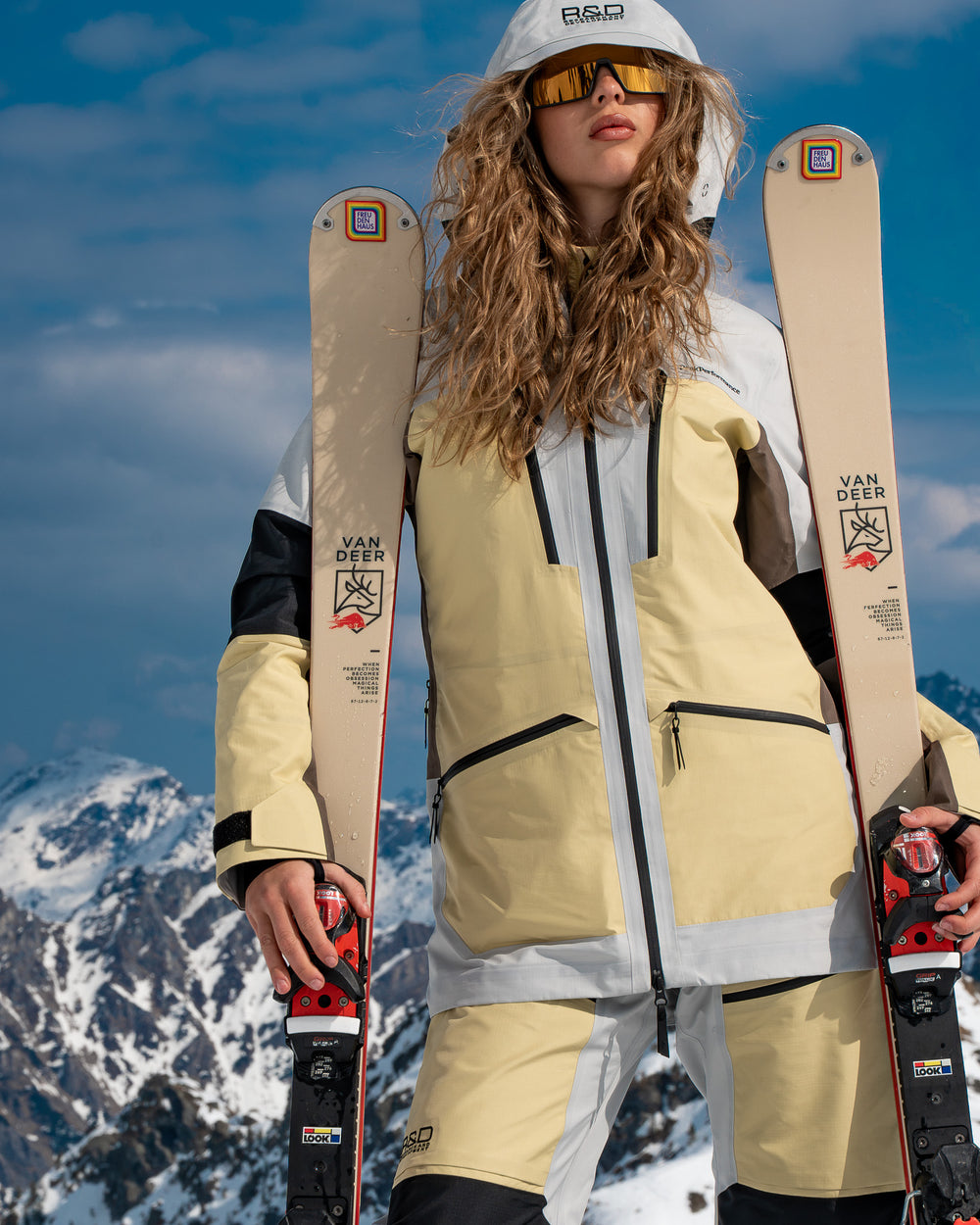
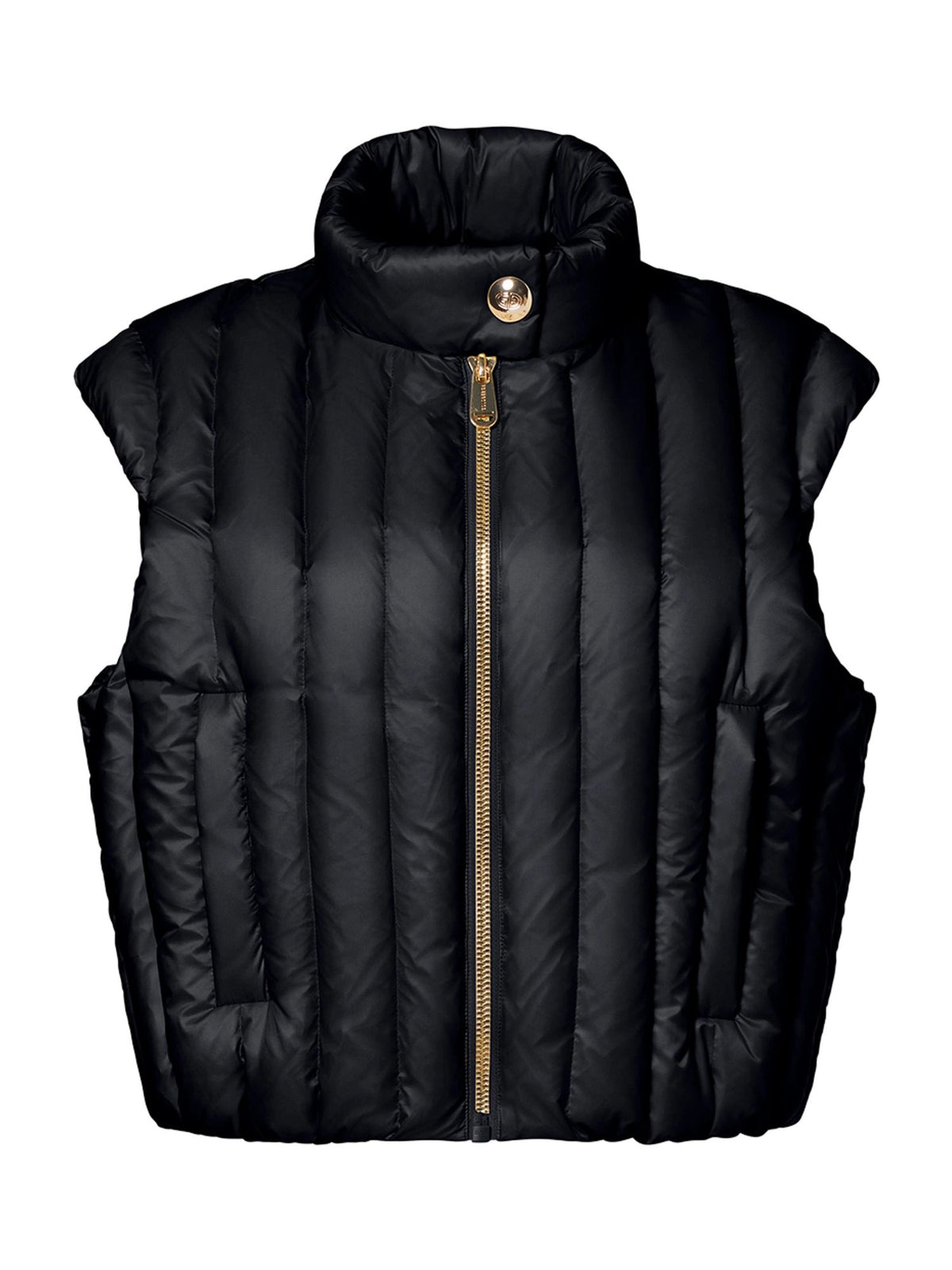
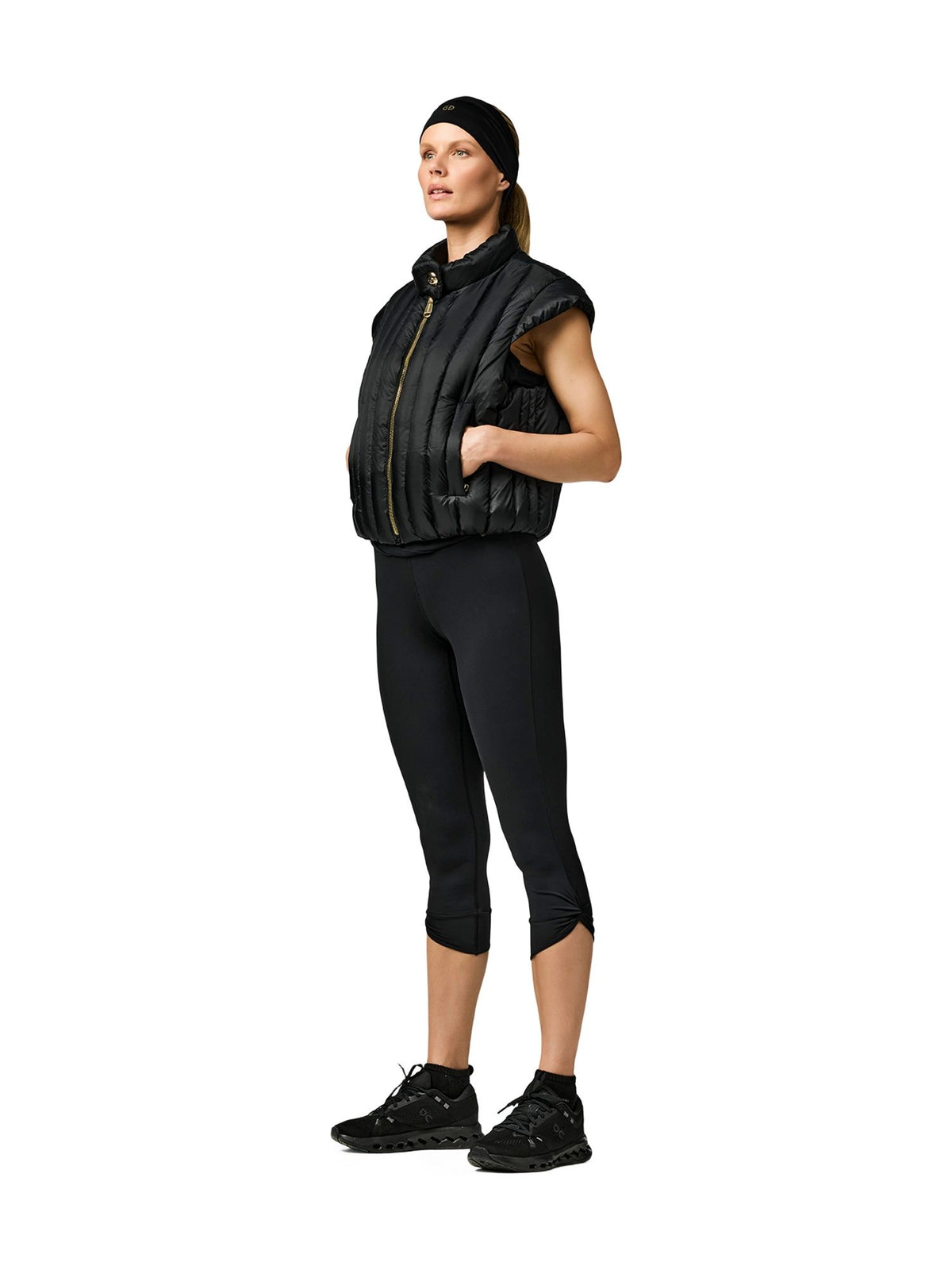
A Goldbergh ski jacket can define the entire appearance. First, consider its contour: How clearly defined is the waist, how long is the hem, and how much volume is created by quilting or other sections? These points change the impression even if you stick to the same color. A shorter, more emphasized shape shows more of the ski pants. A longer jacket connects the upper body differently with the hips and legs and can create a calmer overall surface.
The official Goldbergh model world highlights, among others, the Hida as a ski jacket family. Such names help with orientation but do not replace looking at the specific design. Additions like "Faux Border" refer to a specific trim and should be considered when comparing. Deliberately decide whether you want a striking trim around the head area or prefer a more understated line. The trim is a design decision; the fit and functional features of the jacket remain separate selection points.
The Planned Layering Is Part of Trying on a Jacket
Try on a ski jacket with the first layer and the mid-layer you intend to wear underneath. With a clearly defined silhouette, additional fabric volume can alter the fit, especially on the upper arms and back. The jacket should retain its shape when moving. Stretch your arms forward and sit down, instead of just assessing it while standing upright. A suitable size is indicated by the cut and planned layering working together.
Collars and cuffs are important transitions. A high-necked top worn under the jacket may require more room around the neck than a flatter neckline. At the wrist, the sleeve meets your glove. Pay attention to how both pieces interlock and whether you achieve the desired coverage. For a broader comparison of different jacket styles, you can find more options under Women's Ski Jackets. The choice of brand and the appropriate construction can complement each other effectively.
Goldbergh Ski Pants: Shape, Material, and Length
Ski pants significantly contribute to the Goldbergh silhouette. Decide whether you want a slim line, a straighter cut, or a shape with a more emphasized hem. The effect only becomes apparent in combination with ski boots. A flared hem falls differently over the shaft than narrower pants with an opening. Therefore, don't just consider the waistband or the view in a product photo, but the entire line from waist to boot.
The Pippa is a pant family highlighted by Goldbergh. For an official Pippa version, the manufacturer describes a three-layer Schoeller softshell with four-way stretch, bonded fleece lining, and a slim fit. These features categorize different aspects of the construction: mobility, internal structure, and shape. They are a concrete model example and not a description of all Goldbergh pants. For your decision, what matters is which of these properties the respective version possesses and how it combines with your desired outfit.
Consciously Compare Regular and Long
Goldbergh also features an extended version in its Pippa model range. The difference concerns the leg length and should be considered based on specific measurements. Longer pants are not automatically larger overall; similarly, a suitable waist size cannot be derived from height alone. Measure your inseam and compare it with the intended shape. For the hem, ski boots are part of the fitting, as they change where the hem rests.
Check the waistband, seat, and knees in a bent position. An elastic construction is designed to accommodate movement, but it doesn't mean that choosing a size that's too snug is the best solution. A belt complements the intended fit; it shouldn't be the only connection between pants that are generally too loose and your body. You can find more styles under Women's Ski Pants if you want to compare different leg cuts and hems.
Ski Suits and Overalls as a Continuous Form
A Goldbergh ski suit combines top and bottom into one continuous line. This allows color, inserts, and waist to be particularly pronounced. The Parry is one of the brand's officially highlighted ski suit families; there are also other independent styles. For your selection, torso length is as important as leg length. An overall can appear to fit well at the waist and still create too much tension elsewhere when you lift your arms.
Take your time during the fitting to try different movements. Sit down, bend your knees, and lift both arms. Pay attention to where the waistline lands and how the crotch area fits. A belt can emphasize the look but cannot replace the basic shape. Also, consider how you will put on and take off the overall while out and about. A continuous silhouette is attractive, but it should fit your movements during breaks as well as your posture while skiing.
If you need different sizes for your upper body and legs, or if you want to change your combination frequently, a two-piece offers more separate selection options. An overall, on the other hand, can create exactly the clear overall surface you are looking for. Neither solution is inherently superior. The Ski Suits and Overalls collection helps you compare one-piece styles and make your decision based on torso, waist, leg, and desired handling.
Ski Pullies, Baselayers and Additional Layers
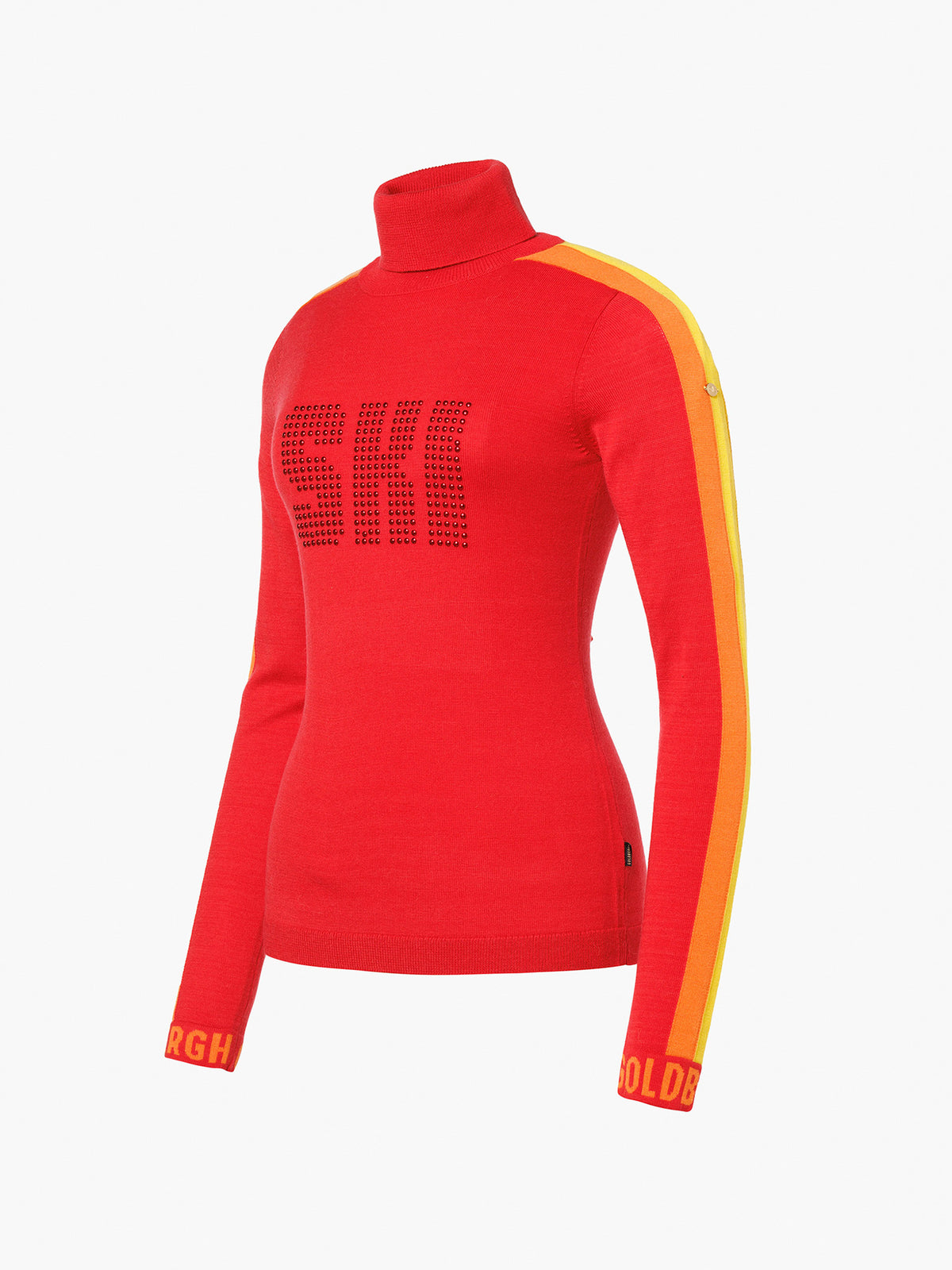
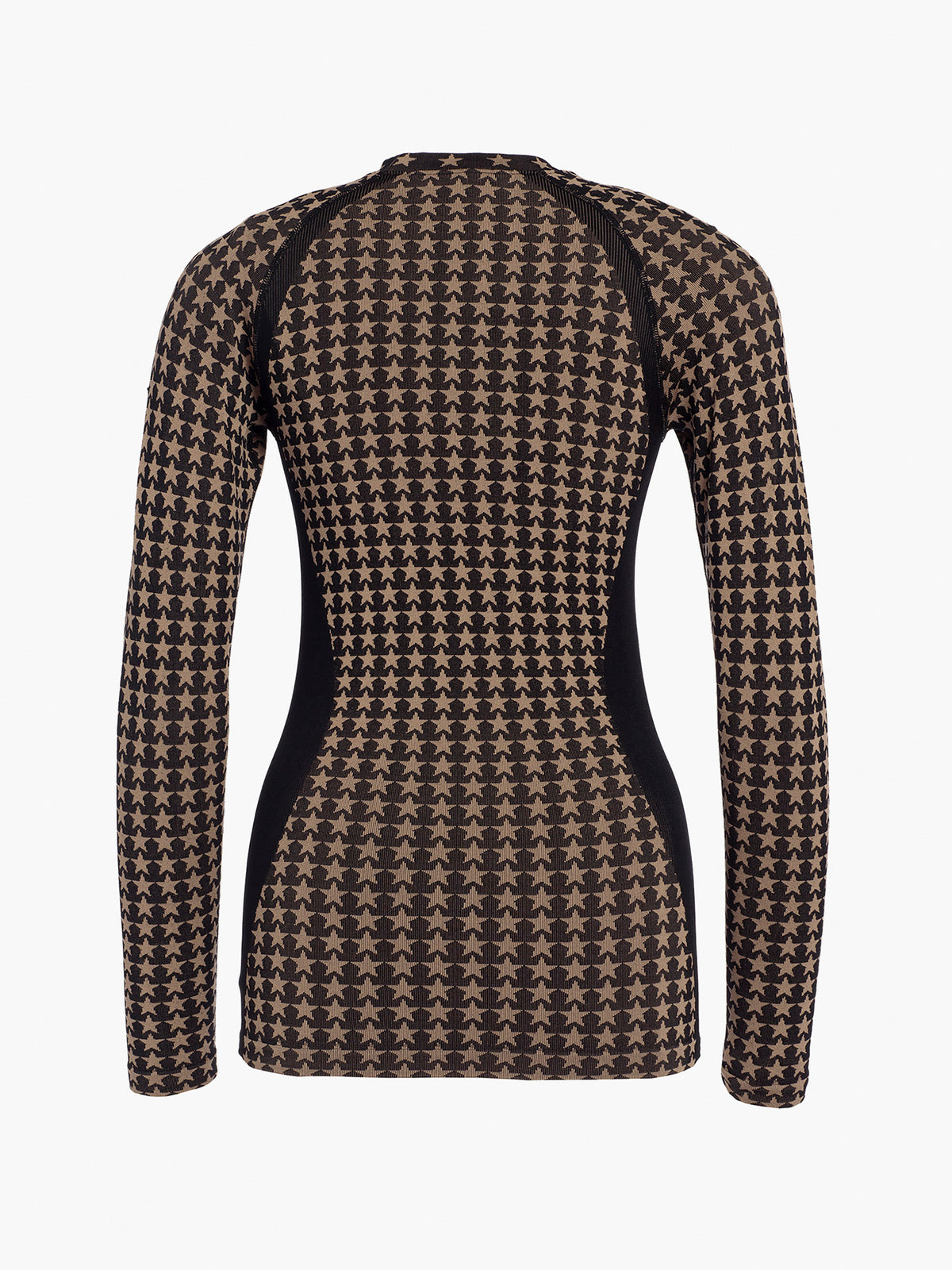
Goldbergh highlights Serena as its own ski pully family for wearing under ski jackets or ski suits. This illustrates an important role within the look: a compact top can complement the neck area and remain visible after taking off the jacket. Compare the neckline, zipper, and fabric volume. A high collar sets a clear line but requires space under a closed jacket collar. A flatter neckline allows for a different layering with neck accessories.
Not every garment labeled as a baselayer, long sleeve, or pully automatically has the same thickness or purpose. Decide whether you are looking for a close-fitting first layer or a complementary top. For the immediate underwear layer, you can refer to Women's Functional Underwear. Plan the transitions at the waistband, wrists, and neck together. This is where it becomes clear whether multiple layers of fabric mesh together effectively or unnecessarily overlap.
Casual Wear: Using the Goldbergh Expression Differently
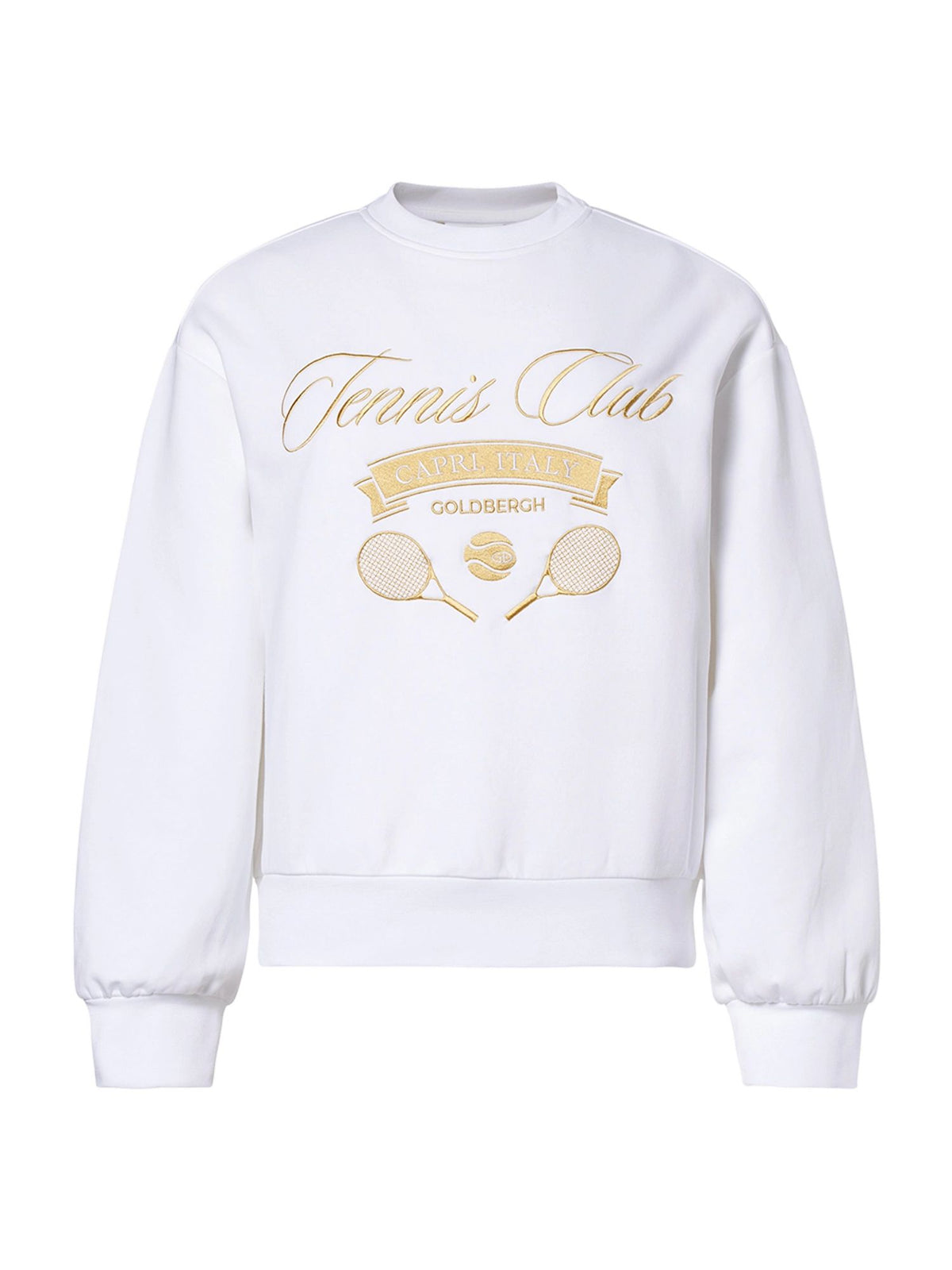
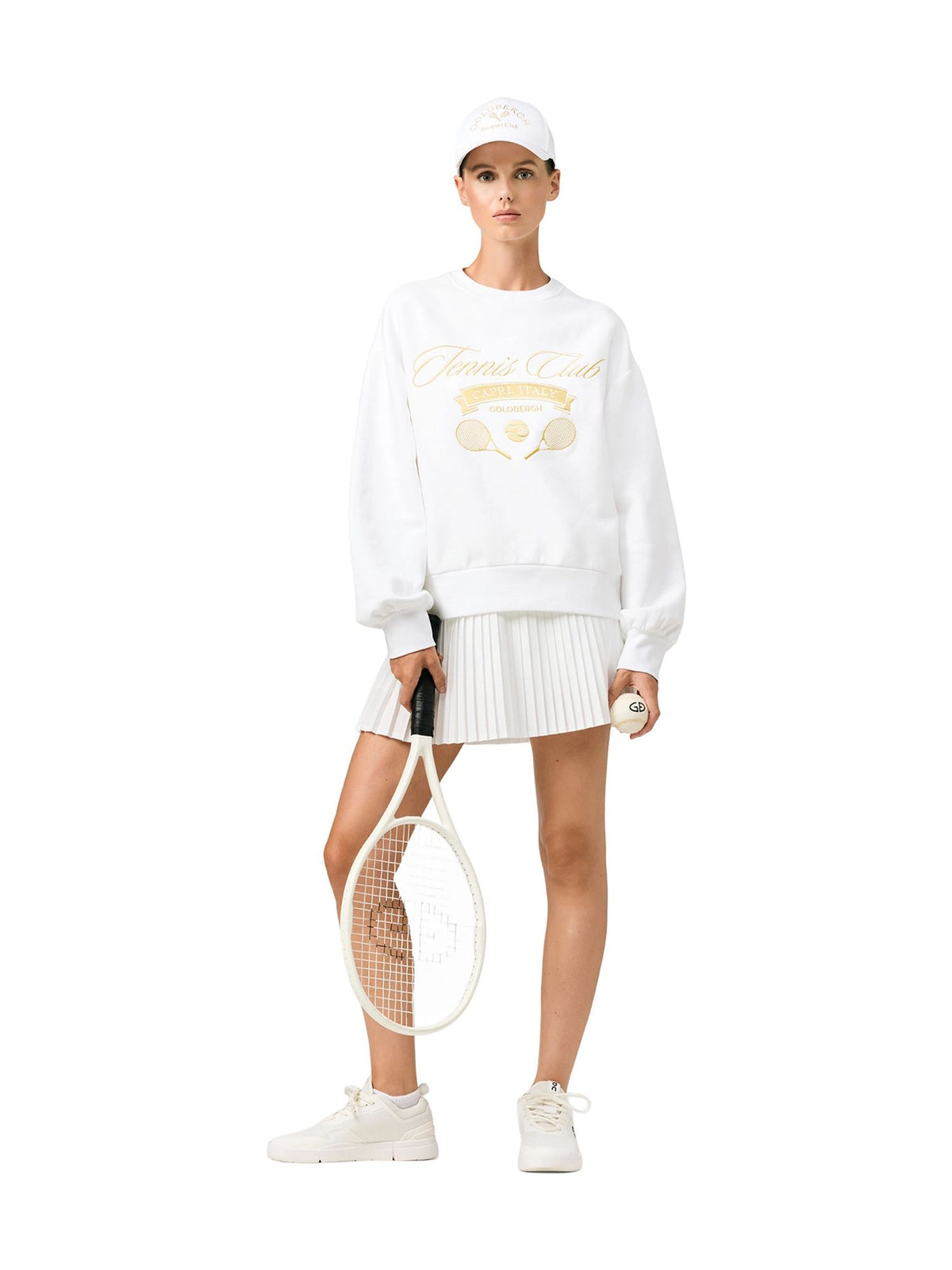
Sweaters, shirts, and casual styles allow you to adopt the brand's style outside of ski days. A striking top can create a clear combination with calm trousers and simple shoes. If you want a cohesive look, you can repeat a color or motif in a second place. However, not every piece needs to convey the same message. A clear emphasis often appears more understandable than several competing logos, patterns, and surfaces.
With loose trousers and a generous sweater, the hem lengths are crucial. A shorter top reveals the waistband; a longer style creates a deliberately flowing line. A tank top or shirt underneath can remain visible if you want this additional finish. The sporty design of a casual combination alone says nothing about its suitability for specific types of training or for the ski slope. Choose the item according to its described purpose and cut.
Accessories: Incorporating Color and Maintaining Function
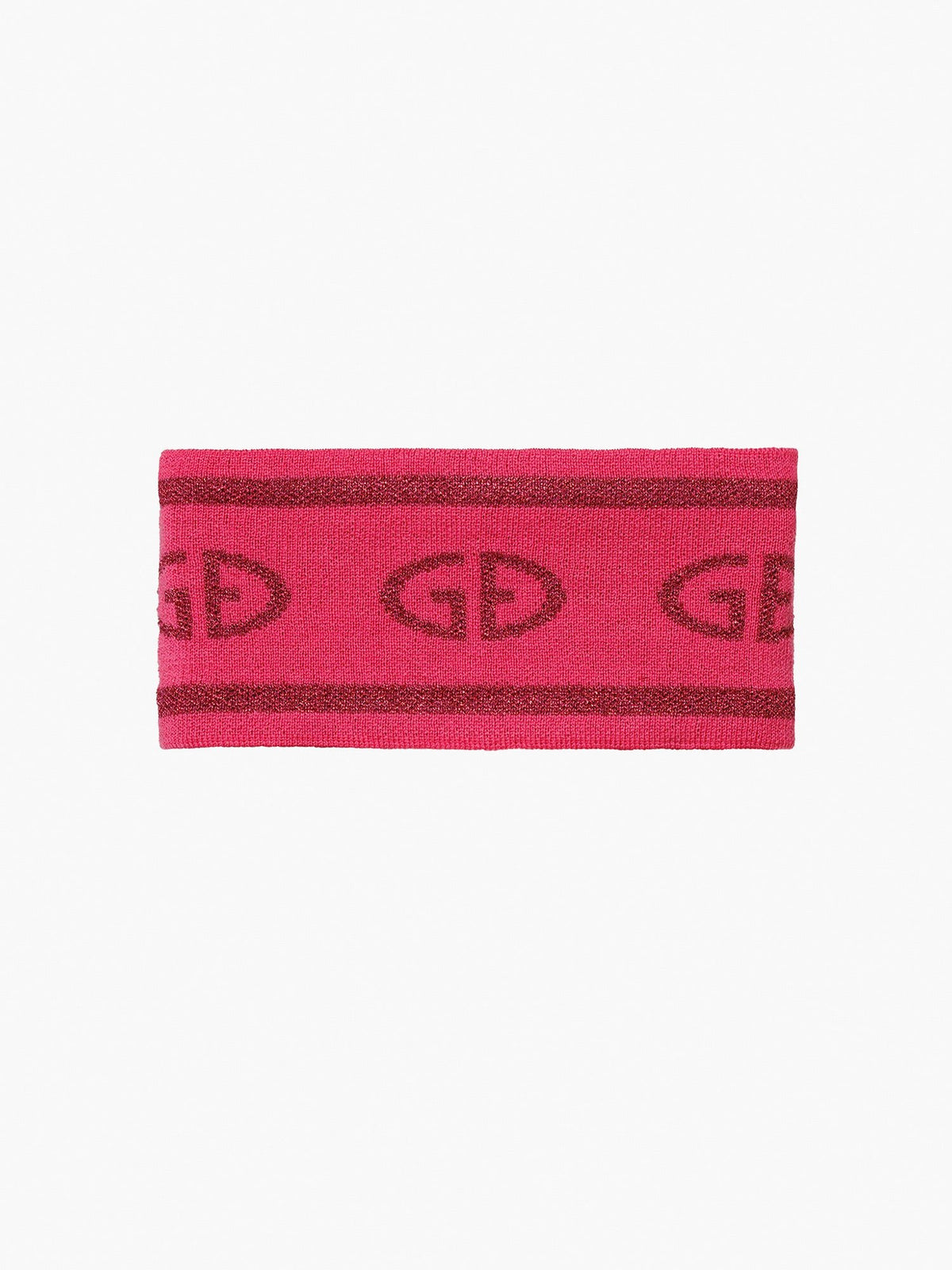
Hats, headbands, and neck accessories change the visible finish of a winter outfit. A hat with more volume creates a different proportion than a flatter headband. A neck warmer can pick up a color from the jacket or create a contrast. First, plan for coverage and fit, then decide on the design. An accessory that matches the jacket must also work with its collar and should not be considered in isolation.
For bags and backpacks, size, opening, and carrying position are important. A compact bag worn over a jacket sits differently than over a shirt. A backpack must work with the volume of your clothing and should be chosen for its intended use. For other styles, you can find suitable additions under Women's Accessories. Goggles, helmets, and gloves have their own additional selection criteria; a color match alone does not confirm fit or technical suitability.
Three Directions for Your Goldbergh Look
For a calm, clearly defined ski combination, you can choose a jacket and pants in related tones. Different surfaces add variety, while the silhouette remains cohesive. A small contrast on the pully or neck accessory is sufficient if you don't want to break up the main surface. Also, consider the look with your helmet on and jacket closed. This way, you'll see the combination in the state you'll actually wear it on the slopes.
For a visible splash of color, you can make a single larger piece the focal point. A striking jacket with subdued pants or a bold ski suit with more understated accessories creates a clear emphasis. For a casual look, the same principle can be applied with a sweater and pants. Start with the piece you particularly like and choose the remaining elements as companions. This way, your personal style remains recognizable without the combination appearing overloaded.
Compare Details Before Final Selection
For Goldbergh, read the complete model designation, including any additions regarding length or trim. A similar name does not automatically mean identical features. For sizing, specific body and clothing measurements are helpful; for an overall, multiple proportions are jointly decisive. Also, take a moment to look at the care instructions. Different fabrics, trims, and constructions may require different treatment, even if they belong to the same color family or collection.
Finally, narrow down your selection to the features that truly change your look and your ski day: the jacket length, the pant style, a continuous overall contour, or a deliberately visible layer. Only add accessories once this foundation is in place. The Goldbergh brand overview offers several starting points for this. You can develop a complete outfit or choose a single piece that adds a new, clearly recognizable direction to your existing wardrobe.
04This brand at FREUDENHAUS
05Questions about the brand