





EPM Sports – Targeted additions to neck accessories and eyewear protection
A neck accessory, headwear, or suitable glasses protection complements your equipment in a specific area. The EPM Sports overview brings together such small aids. First, choose by task, and then by shape and size, so that the accessories work well with your jacket, helmet, or glasses and can be easily carried along.
02Discover
Categories.




03Complements with Purpose
What your outfit still needs.
EPM Sports Accessories: First the Task, Then the Right Part
Accessories are particularly useful when they fill a specific gap. Perhaps you want to cover the transition between jacket collar and chin, take an extra head covering for a break, or cover the lens of your ski goggles during transport. These tasks require different shapes. Therefore, when choosing from the EPM Sports selection, start with the intended use. This way, you compare neck accessories with each other, and a visor protector with its appropriate counterpart, instead of considering all small items as interchangeable accessories.
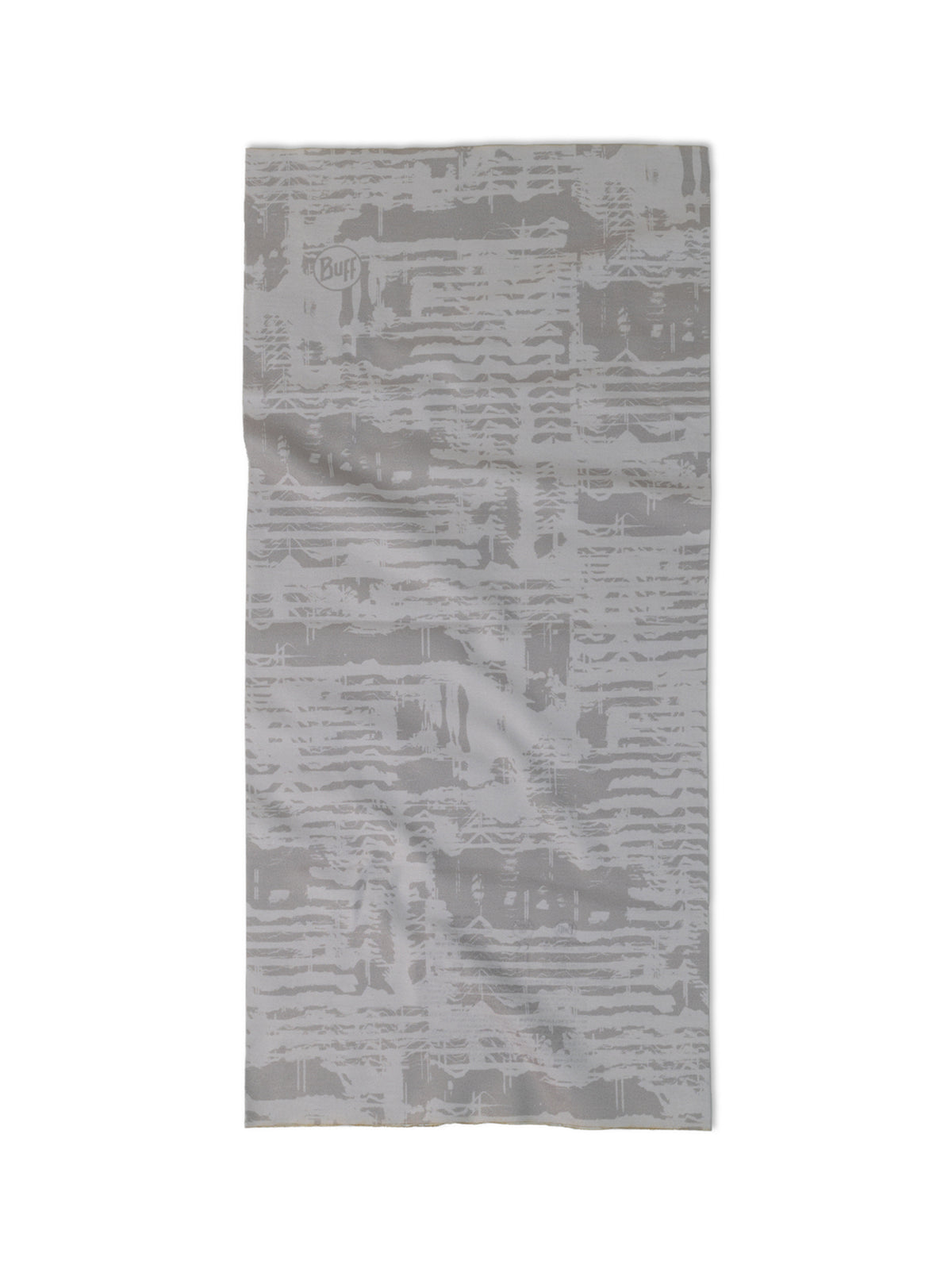
This overview also includes neck accessories whose product name explicitly mentions BUFF. The exact product designation helps you identify the respective brand and model. If you are looking for the different BUFF shapes and product families, you will find a separate guide in the BUFF Collection. Here, however, the focus is on supplementing your equipment: Where do you need an additional textile, and which shape can be combined with the existing parts?
Neck Accessories Between Collar and Chin
A tube-shaped neck accessory has no long ends that you have to wrap around multiple times. This can be neat under a high jacket collar. The crucial factor remains how much fabric actually gathers at the neck. A bulkier model fills the collar differently than a thinner version. Try the combination with the zipper closed and move your head from side to side. This way, you will notice if the material bunches up in one place.
If you want to pull the accessory higher up your face temporarily, length and width work together. A short tube can be comfortable at the neck but offer too little fabric for a different way of wearing it. A very wide shape, in turn, fits differently than a narrowly cut tube. Therefore, decide what kind of coverage you are mainly looking for. You can find more shapes under Scarves and Neck Accessories if you want to compare different lengths and constructions.
Headwear for On the Go and for Breaks
For headwear, the desired ear coverage is a good starting point. A deeper fit differs from a loosely worn, higher shape. Also, pay attention to how the edge lies and whether it shifts when you move. For junior versions, the specific size is particularly important; the name alone does not replace a suitable fit. Choose the shape for the actual head and the planned use.
A hat for the way to the lift or for a break plays a different role than a thin, explicitly suitable layer under a helmet. The latter must be compatible with the helmet manufacturer's specifications and the complete helmet fit. An additional layer of fabric changes the available space. Therefore, do not automatically use a normal hat as a helmet liner. For independent leisure headwear, however, you can decide more on the edge shape, volume, and your preferred style.
Distinguishing Ski Goggle and Helmet Visor Protection
Ski goggle protection should match the size and shape of the ski goggles. Helmet visor protection is intended for a different viewing solution attached to the helmet. Despite similar tasks, both terms do not indicate universal interchangeability. Compare the covered area, the attachment, and the intended use. The cover should be easy to attach without excessive pulling and cover the lens where it might come into contact with other objects during storage.
A textile cover is an accessory for the described use. It does not change the optical properties of the lens and does not replace suitable packaging if heavy objects are placed on the equipment. When packing, make sure not to place glasses or visors loosely between hard parts. For the actual eyewear selection, the Ski Goggles collection provides further guidance; there, the field of view, frame, and lens are in focus.
Carrying and Caring for Small Items Sensibly
Before selecting, consider where you want to store the accessories on the go. An easily accessible compartment is more helpful for a neck accessory during a break than the bottom of a packed bag. Goggle protection should also be accessible when needed. Keep textile covers clean so that they do not transfer dirt to the lens. For cleaning, the instructions for the specific item apply, and, for contact with spectacle lenses, the recommendations of the glasses manufacturer.
For a harmonious addition, not every accessory needs to stand out. A shade from your jacket can hold the combination together; a contrast makes the small part more easily recognizable. However, the shape and the appropriate use remain the first decision. Choose a neck accessory based on coverage and collar space, headwear based on its fit, and goggle or visor protection based on its intended assignment. This way, every accessory gets a clear task in your equipment.
04This brand at FREUDENHAUS
05Questions about the brand