







BUFF cloths and hats for your use
A BUFF neckwear can be chosen based on a simple question: Where and how do you want to wear it? Neckwear, headwear, and a cap place different demands on shape and material. Discover the world of BUFF accessories at FREUDENHAUS Obertauern and align your choice with your activity, clothing, and desired wearing comfort.



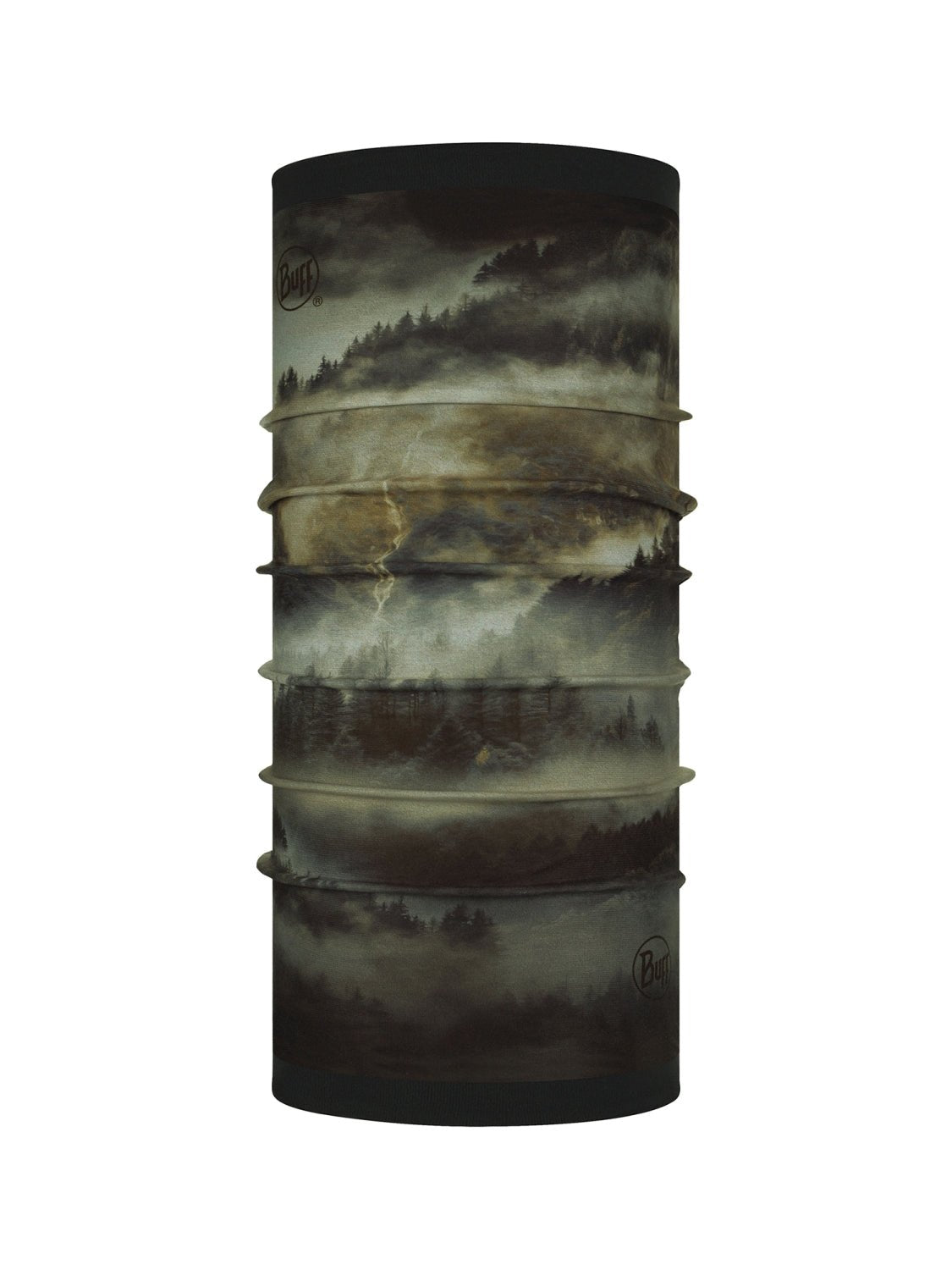


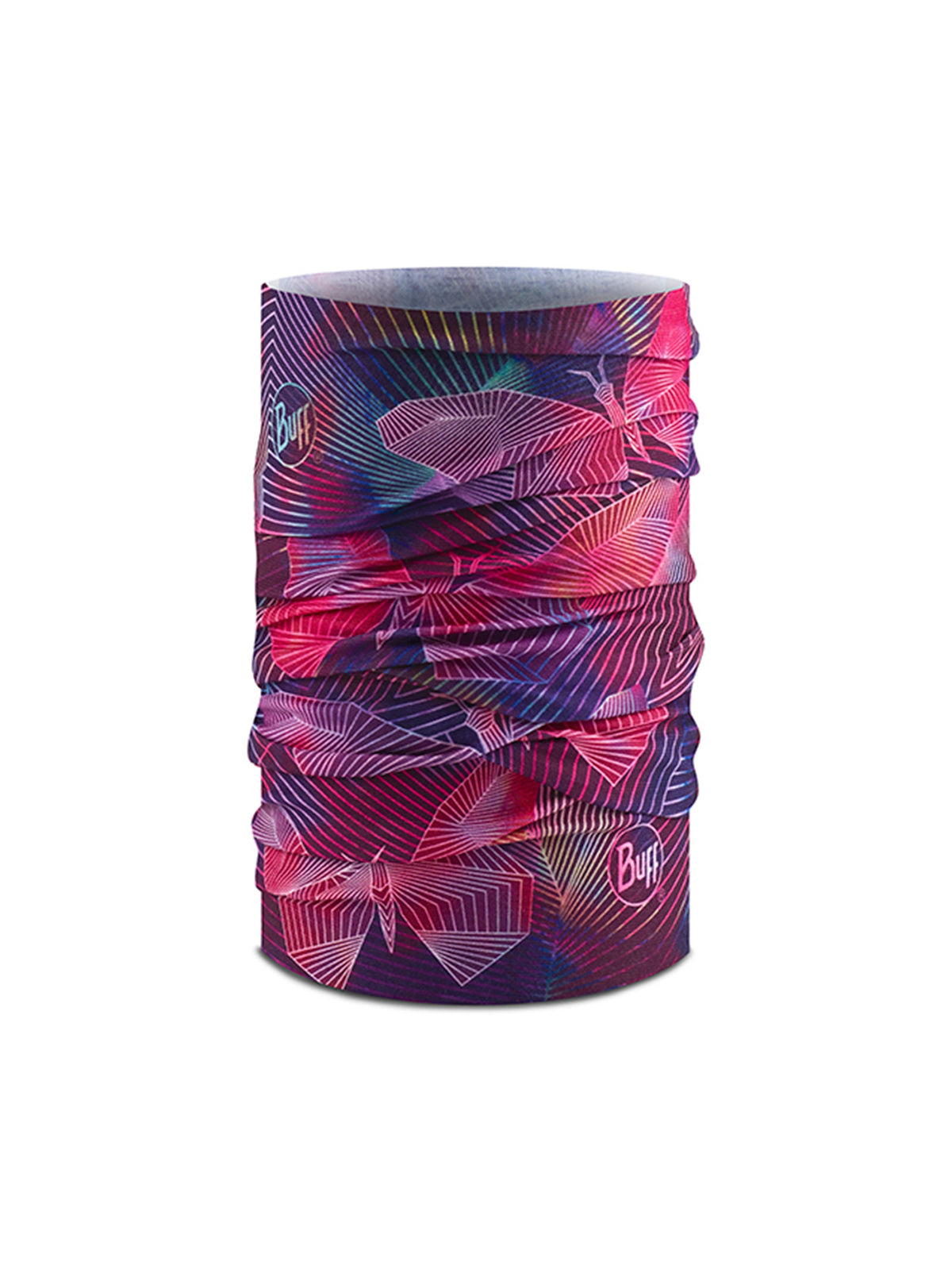
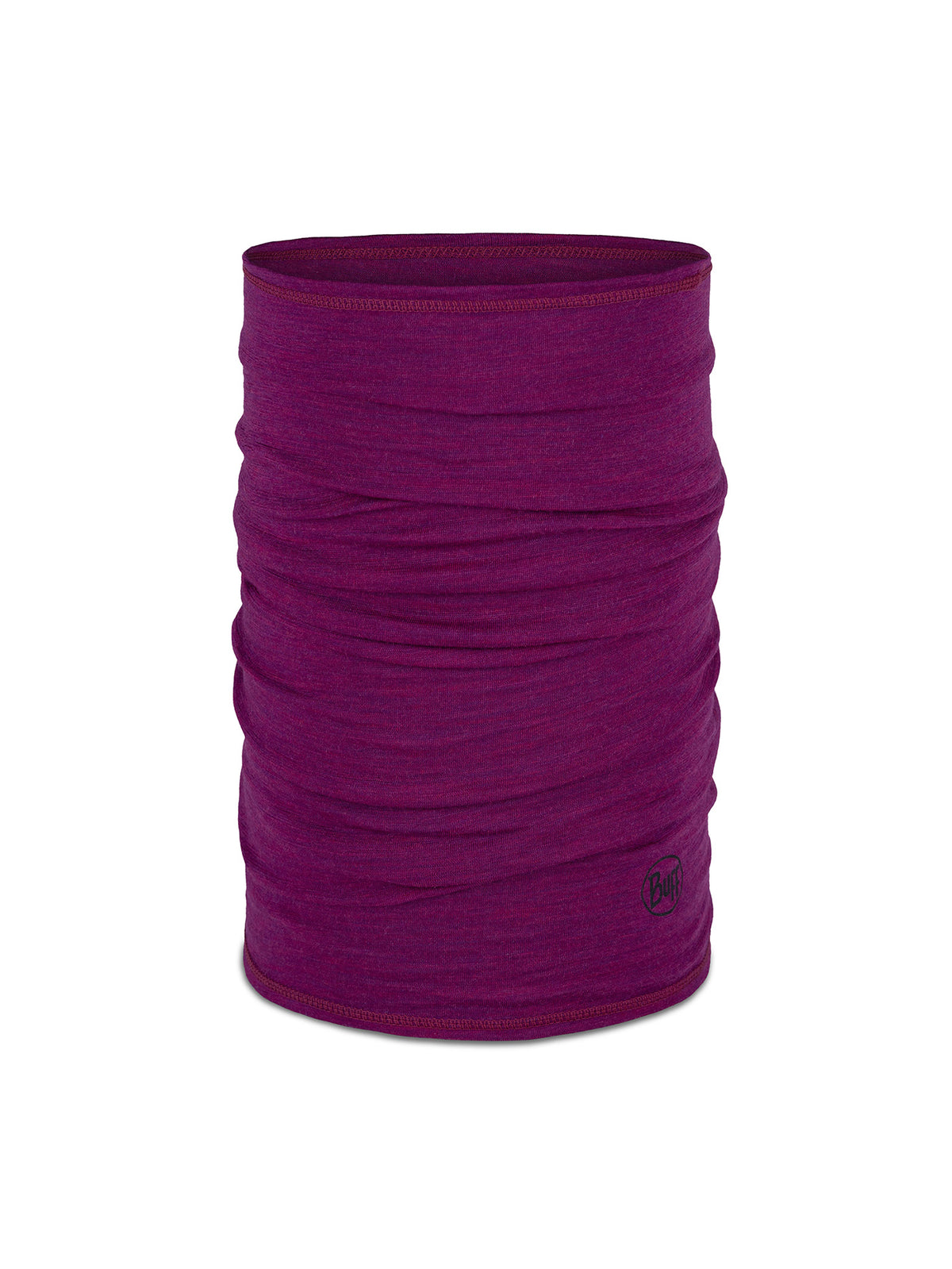


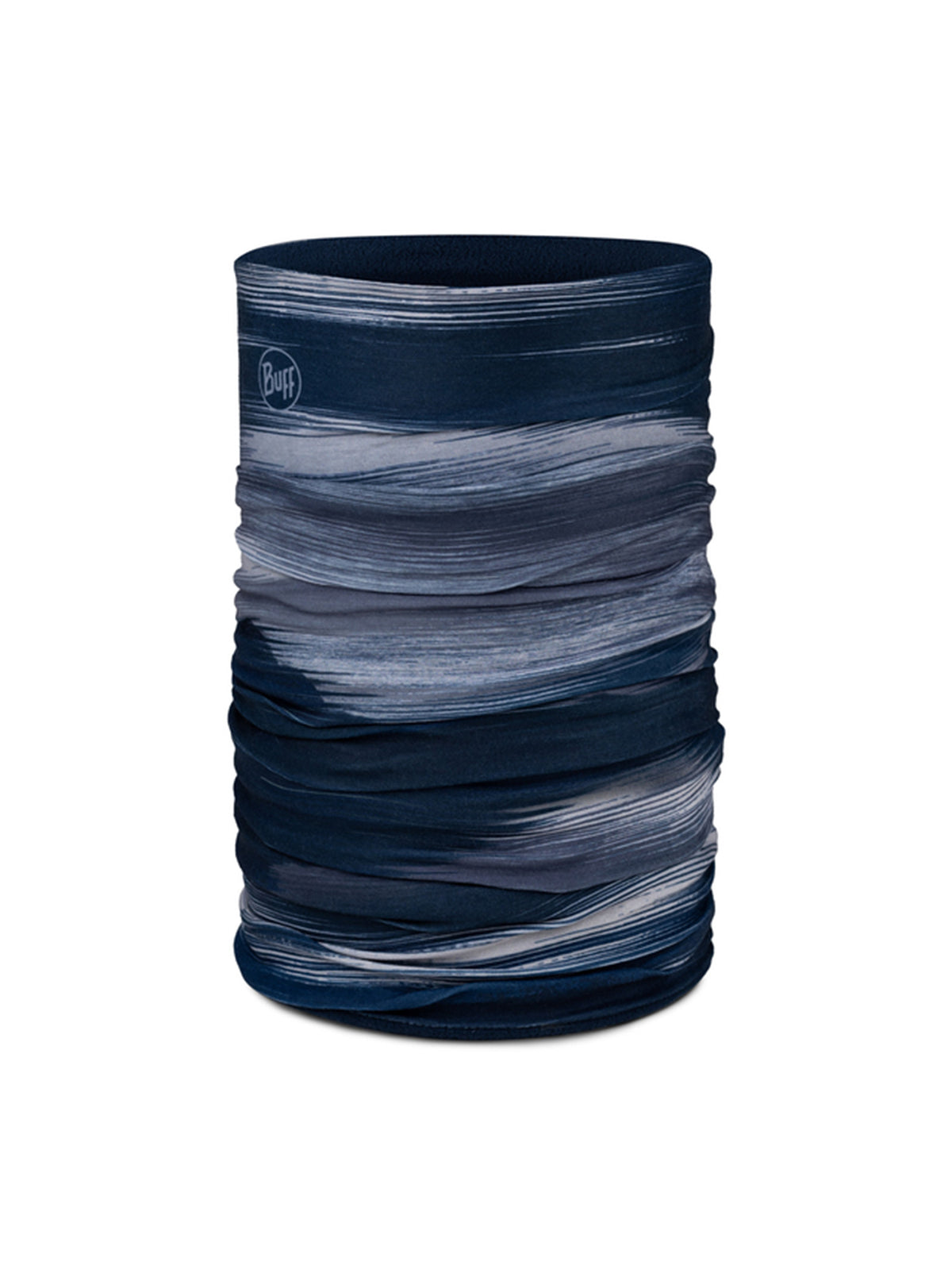


03For neck and head
Small additions.
Fitting your plan.
The right BUFF starts with its purpose
An accessory for your neck or head can take on many different roles in everyday life. You might want to cover the open area above your jacket collar, have a light extra layer with you when you're out and about, or match a hat to your clothing color. With BUFF, it helps to first define this purpose. A versatile scarf and a firmly shaped hat may look similar, but they are worn differently. The shape determines which areas are covered and how the material combines with the rest of your clothing.
Also consider whether you'll be using the item during an active phase or primarily in quieter situations. A light neck covering for movement is chosen differently than an extra layer for longer breaks. Therefore, the thickest possible material is not automatically the goal. What matters is how much coverage you want and how the combination with your jacket, collar, or other headwear works. Handling also counts: an item that you frequently put on and take off should integrate into your routine without complications.
Multifunctional scarf or firmly shaped hat?
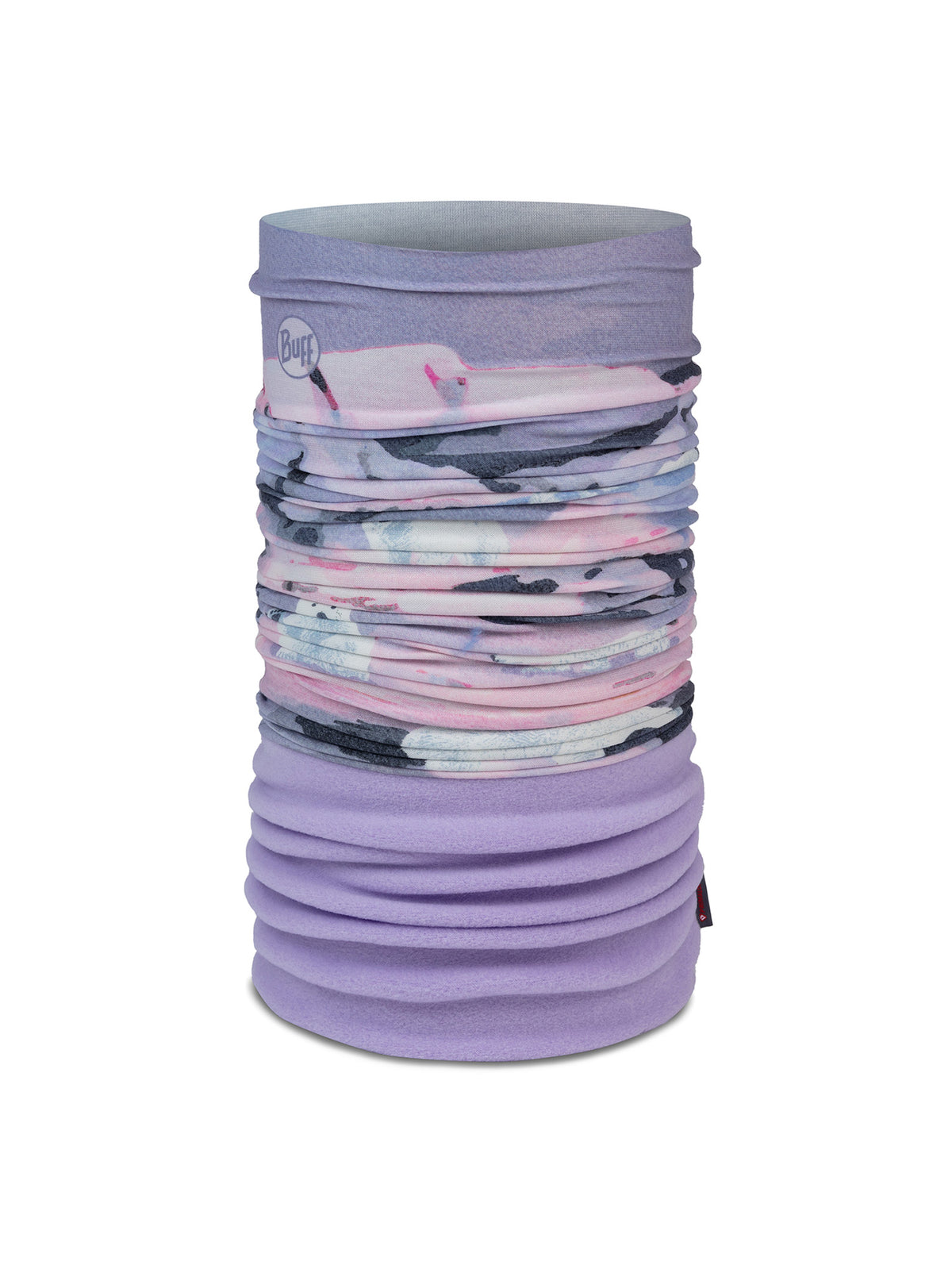
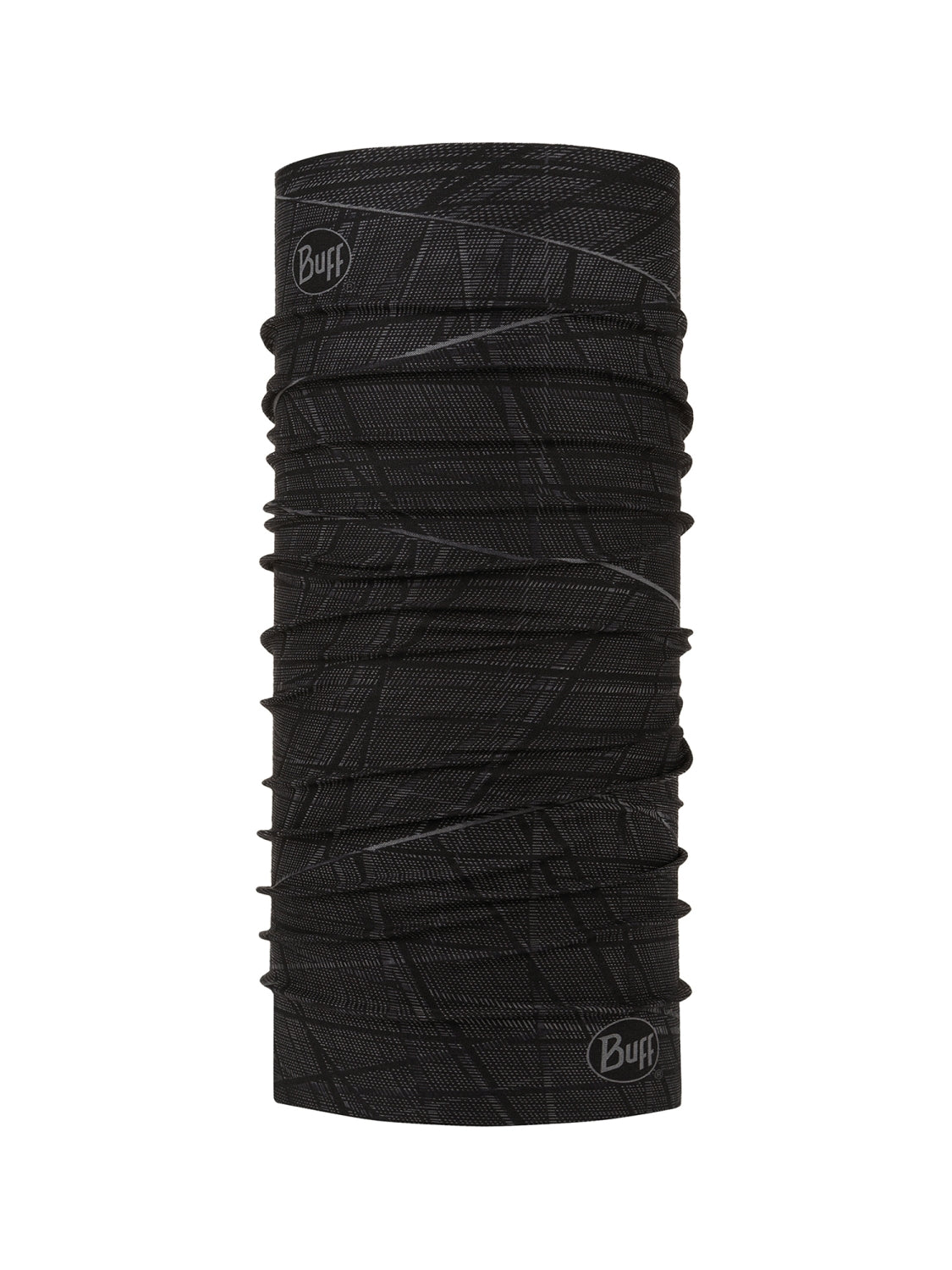
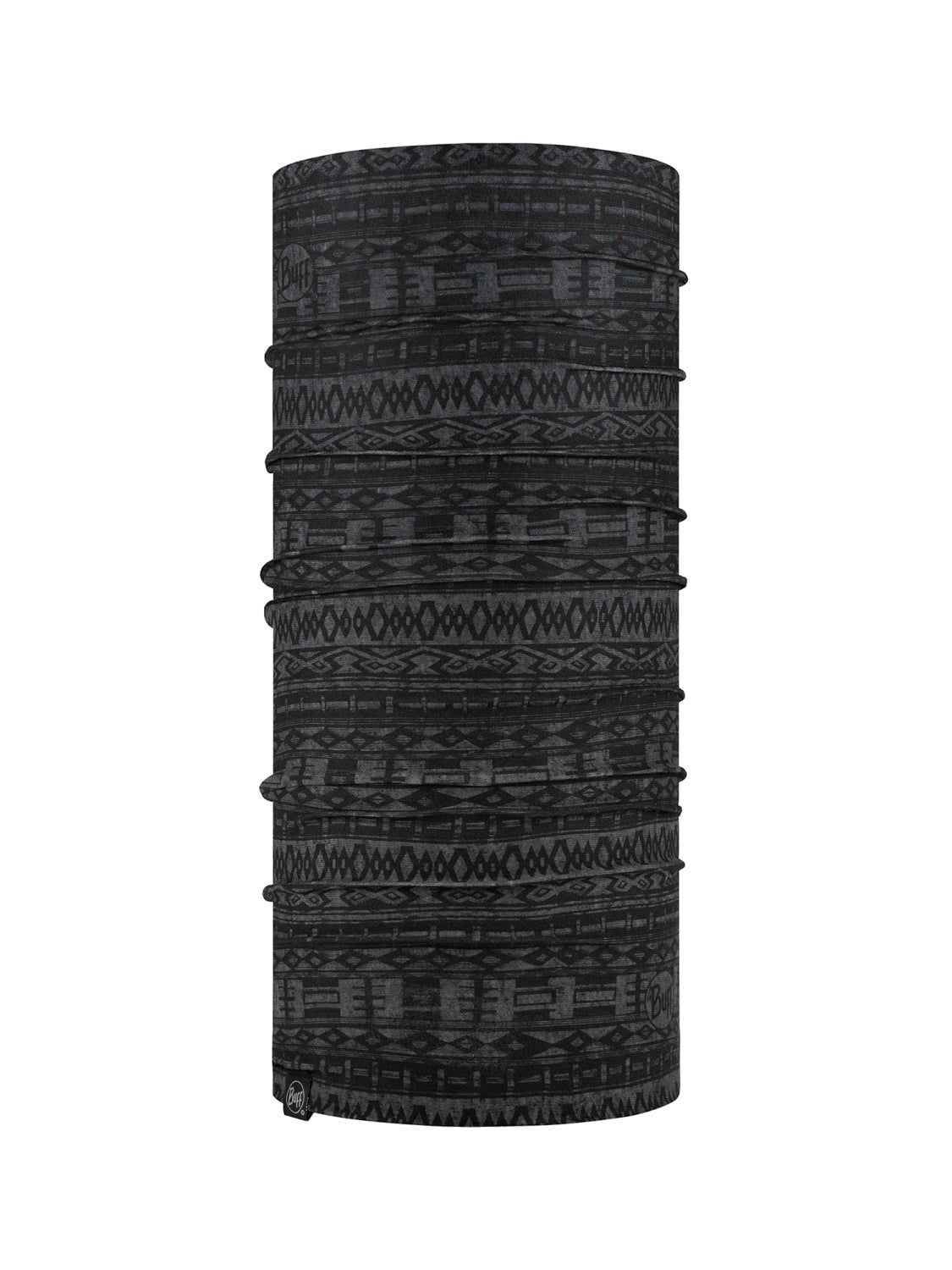
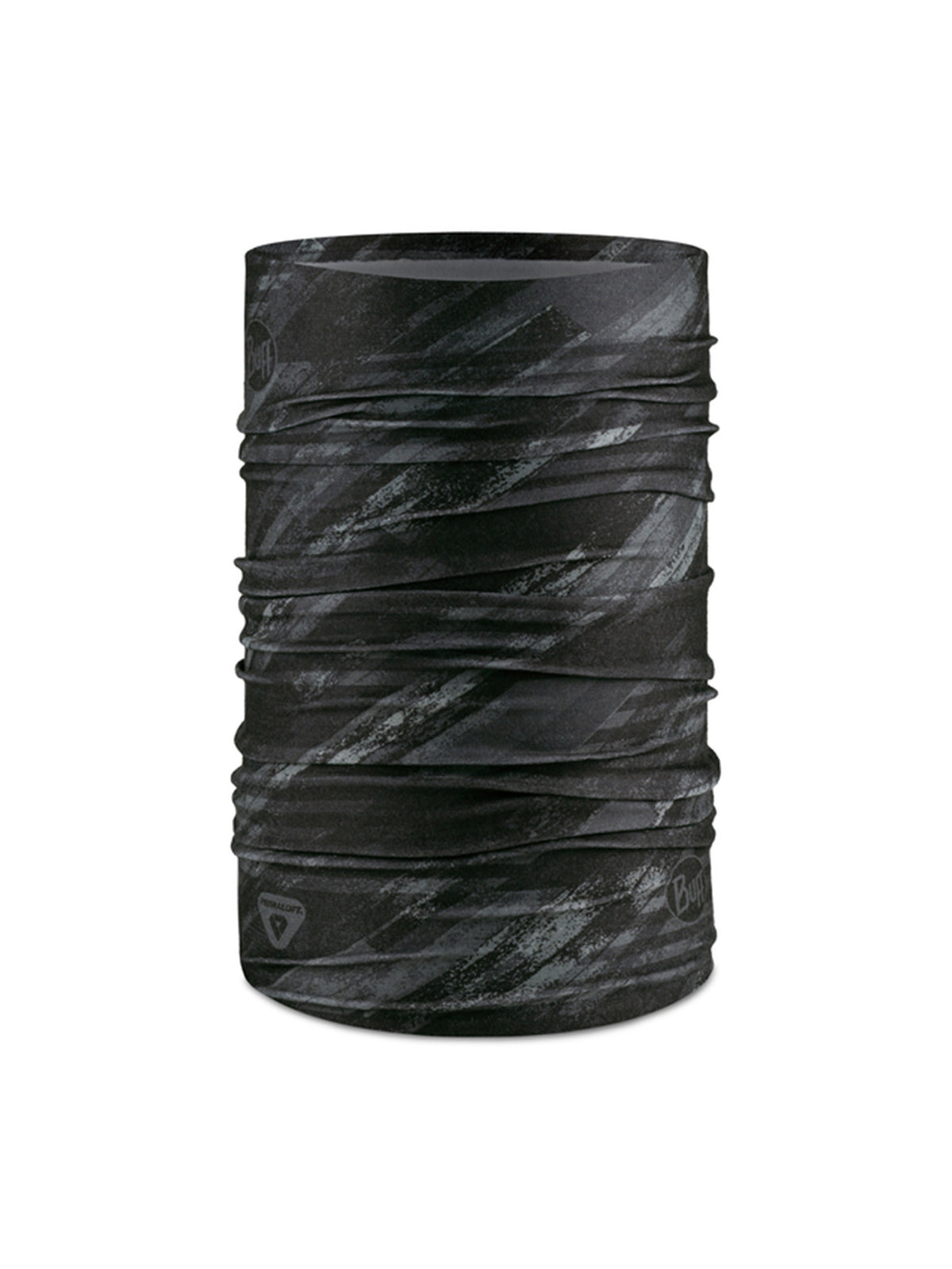
A tubular scarf is worn without open ends. For designated multifunctional scarves, the shape can be used for different wearing styles. BUFF explicitly describes Original EcoStretch as such a versatile neck covering. For your selection, it's important what use you actually need. If you primarily want to wear the scarf around your neck, a comfortable fit with the collar is important. If it's also meant to take on another role, include the instructions, size, and elasticity of the specific design.
A hat, on the other hand, has a predefined head shape. You choose it according to head circumference, desired coverage, and fabric thickness. A higher cut brim can sit differently over the ears than a flatter shape; an additional folded edge changes the volume. For a casual look, this shape can be a visible part of the outfit. If, however, you're looking for a light layer for movement, a flatter construction might become more important. Therefore, compare the hat not only with other colors, but with the task for which you are choosing it.
Understanding BUFF material lines as a guide
Within its brand world, BUFF differentiates between Original EcoStretch, CoolNet UV, Polar, DryFlx, and ThermoNet, among others. These names help to distinguish different product approaches. Original EcoStretch is described as a versatile multifunctional scarf. In a manufacturer comparison, CoolNet UV, Original EcoStretch, and Merino Lightweight are also contrasted as different neck accessory options. For you, the selection based on use, material, and desired fabric feel is particularly interesting. A name alone does not replace the complete description of the specific design.
If a particular fiber is important to you, consider the actual composition. A lighter textile feels different than a stronger or fluffier construction; additionally, the respective wearing style changes how many layers are on top of each other. A folded scarf can create more volume around the neck than the same material simply laid flat. Therefore, don't decide solely based on a product name or a general warmth rating. The material thickness should match your activity, your other clothing, and your personal preferences. This is an independent decision even for scarves that look similar.
Designing the transition to the jacket collar well
At the neck, the scarf, collar, and possibly an additional upper layer of clothing meet. A very high or tight-fitting jacket collar leaves less room than an open, wider cut. When trying it on, wear the scarf as you intend to use it later, and close the jacket. The fabric should lie comfortably and not bunch up into a thick bundle. When you turn your head, the combination should move with it, instead of constantly needing to be readjusted.
With a looser jacket, a neck accessory can also create a visible design connection. A similar color picks up the jacket; a pattern sets a smaller focal point near the face. The scarf doesn't have to match every detail of the outfit. Especially with quiet clothing, a single accent can be enough. In the Scarves category, you can compare different forms of neck coverings and decide whether you prefer a tube shape or another design.
Considering headwear and helmet together
If you intend to wear a BUFF item with a helmet, its fit becomes an additional criterion. Headwear changes the space between your head and the helmet's interior. Thick knots, fabric folded multiple times, or strong cuffs can have a different effect than a flat layer. Observe the helmet manufacturer's instructions for use and assess the complete combination. An accessory must not cause an otherwise well-fitting helmet to be worn only with an altered or unsuitable adjustment.
Also, try the movement and the transition to glasses. Fabric in the forehead or ear area should not shift when putting it on and then lie uncomfortably under other items. The suitable solution depends on the specific helmet shape and the accessory used. A blanket statement that every hat or every scarf fits under every helmet would therefore not be very helpful. Further independent additions for your outfit and equipment can be found in the Unisex Essentials.
An accessory for activity and the time after
For a day with multiple activities, it may be useful to consciously change the way you wear it, provided the specific product is designed for it. A scarf worn around the neck outdoors can be taken off more easily during a break than a covering firmly integrated into the jacket. A hat can take on its own role after removing the helmet. Plan such transitions based on your actual routine. Versatility is only useful if you find the possible uses comfortable and use them in everyday life.
You don't have to choose all accessories to be equally warm. Your head and neck are covered by different items, and the clothes worn underneath or over them also change the feeling. Mentally put together the combination for the most active part and for the quieter phase. This way, you'll recognize whether an additional, separately removable layer makes sense. In the Women's Accessories, you'll find more ways to complement your outfit in terms of color or function, without assigning all items to the same material line.
Finally selecting color, size, and care
A suitable size should be combinable with the intended wearing style. The scarf must be able to be pulled over the head and then sit where you want coverage. A hat is judged by its own size specification. Don't rely solely on an accessory appearing stretchy. The shape after putting it on also counts: the fabric should lie comfortably and maintain its desired position. Only then is it worthwhile to decide between calm colors, graphic motifs, and a conscious contrast.
For care, the material and labeling of the respective design apply. A scarf with a specific fiber construction may require different handling than another hat from the brand. Allow worn accessories to dry appropriately before storing them and do not automatically treat them like any cotton shirt. If you choose your BUFF based on purpose, material, and wearing style, it becomes a small but clearly justified part of your equipment. It complements exactly the area you want to cover and matches the clothing you actually wear when you're out and about.
04This brand at FREUDENHAUS
05Questions about the brand