












Choose women's sunglasses by frame, fit and style
Women's sunglasses define a personal contour and should also fit comfortably. Compare the frame shape, nose pads, and temples with your existing looks. From a striking acetate front to a delicate metal frame, the specific design matters. Here you will find guidance on size, color impact, and a comparison of variations that suit your everyday life.






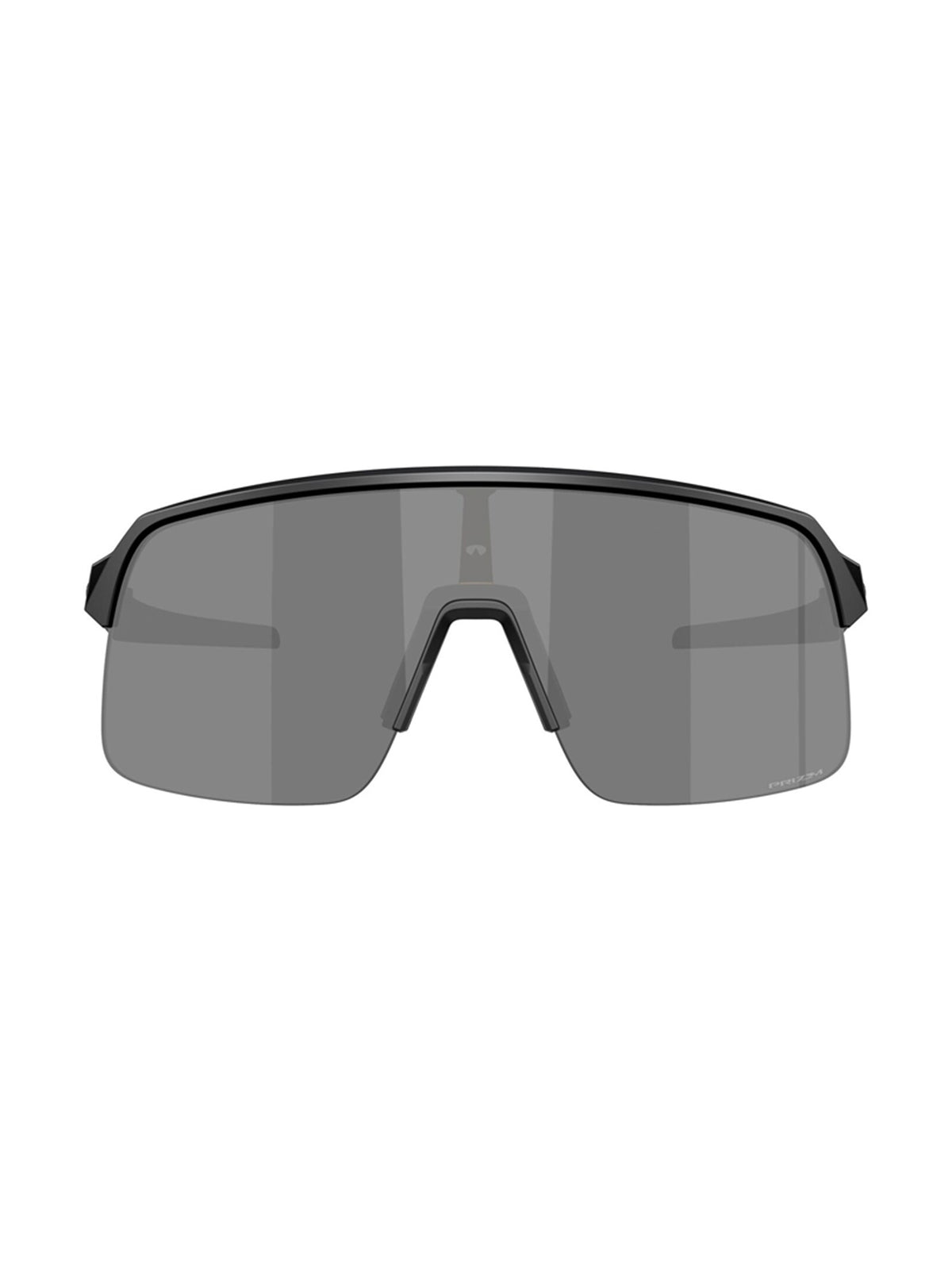
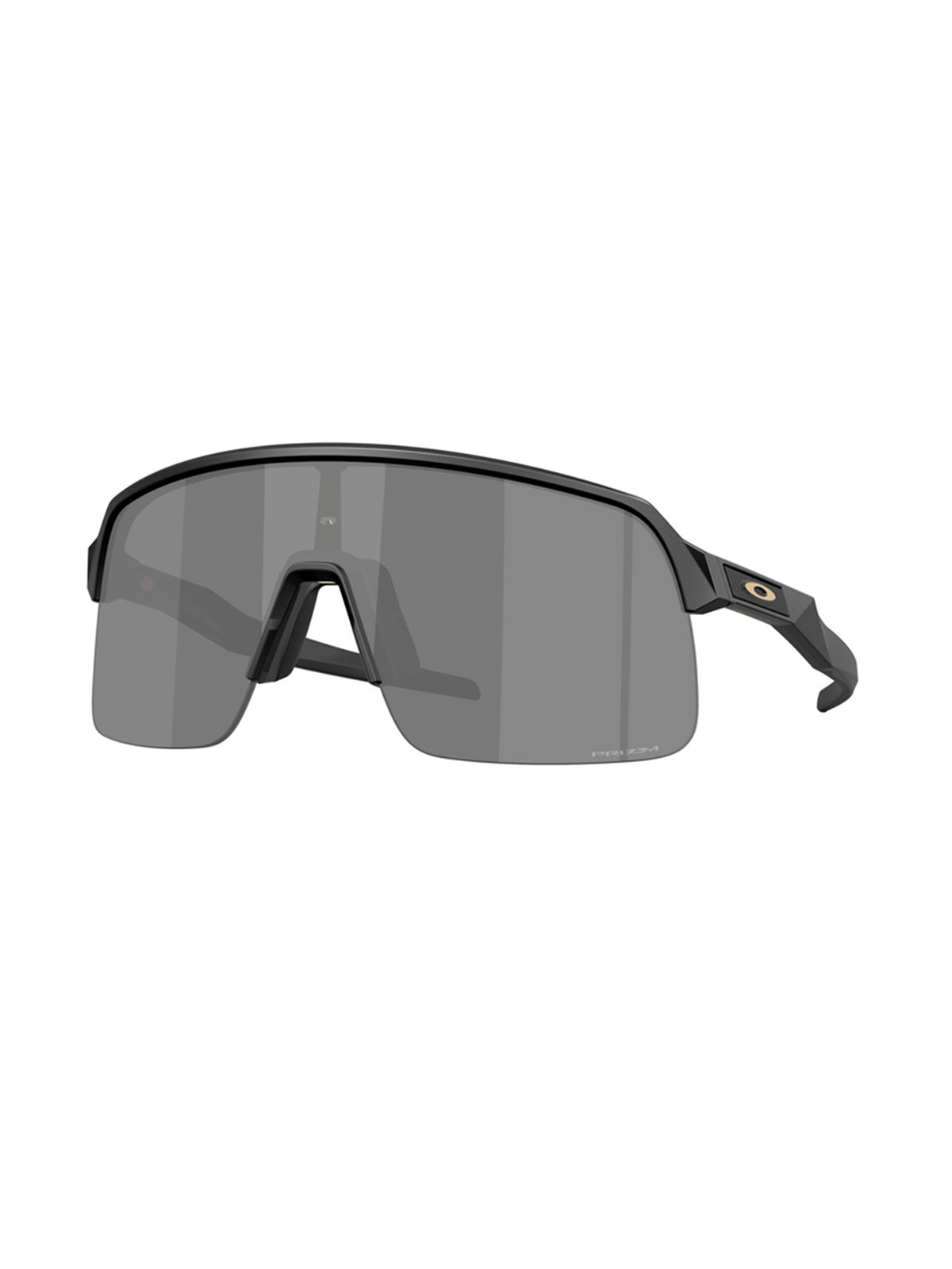


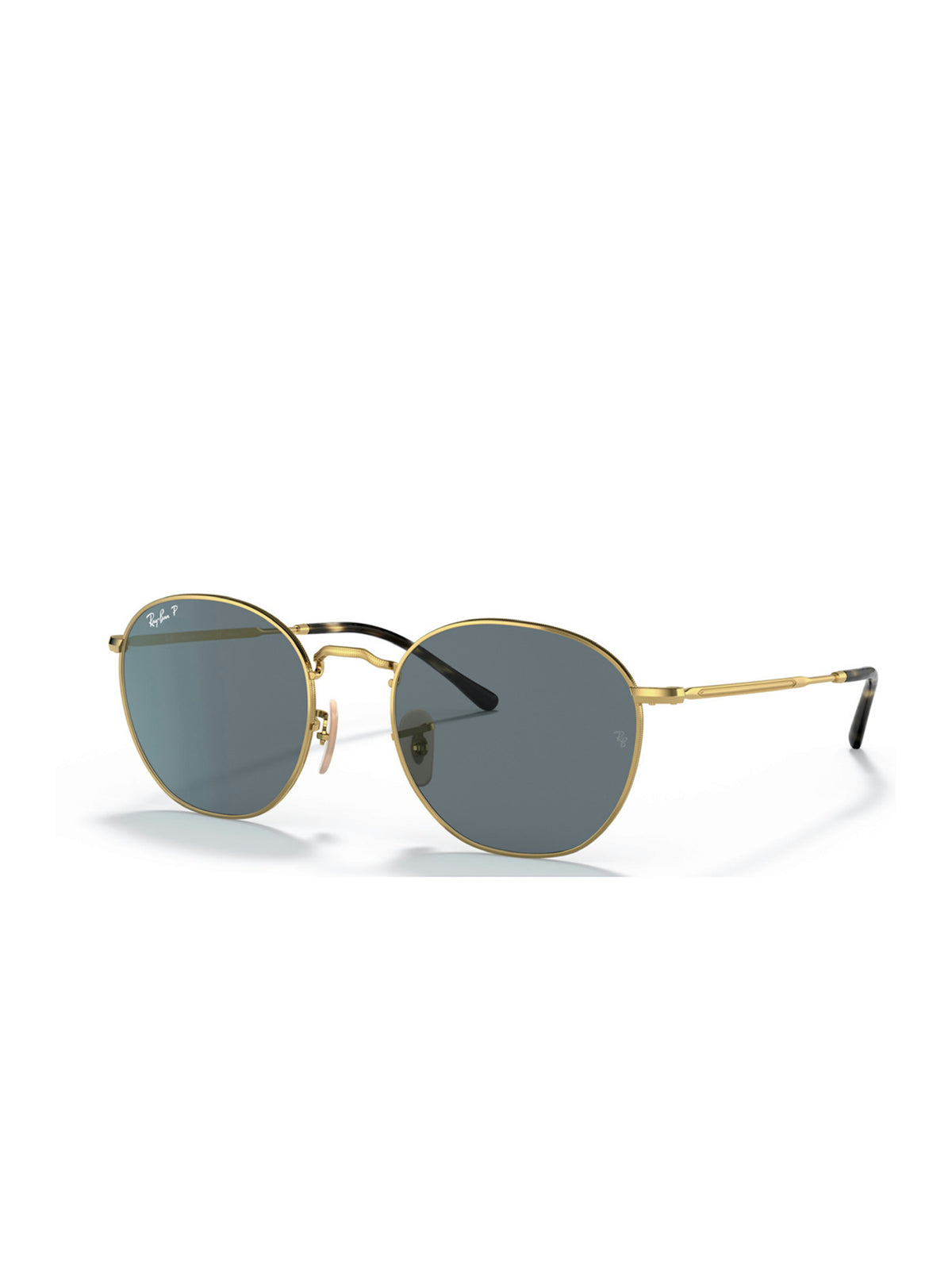
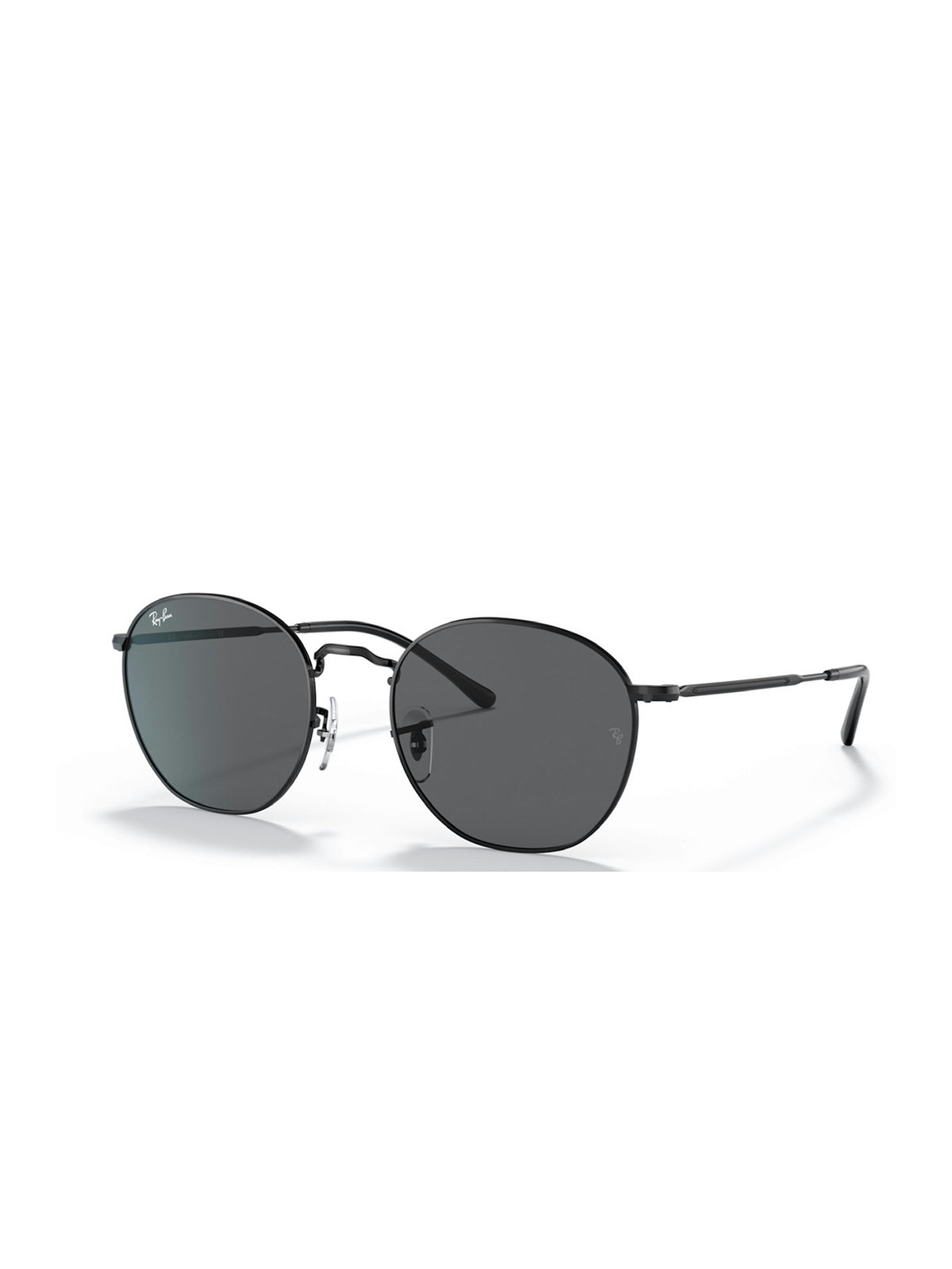


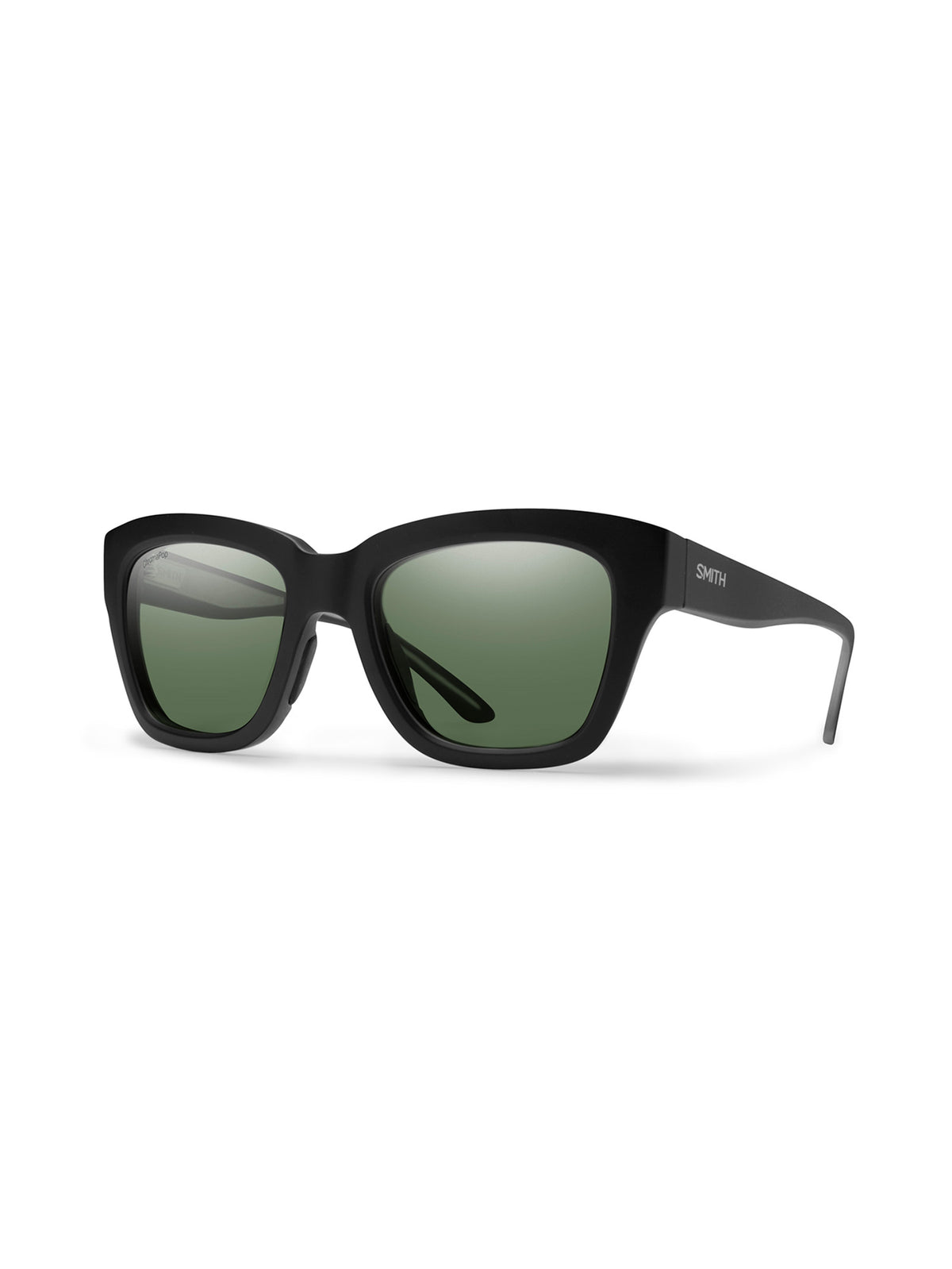
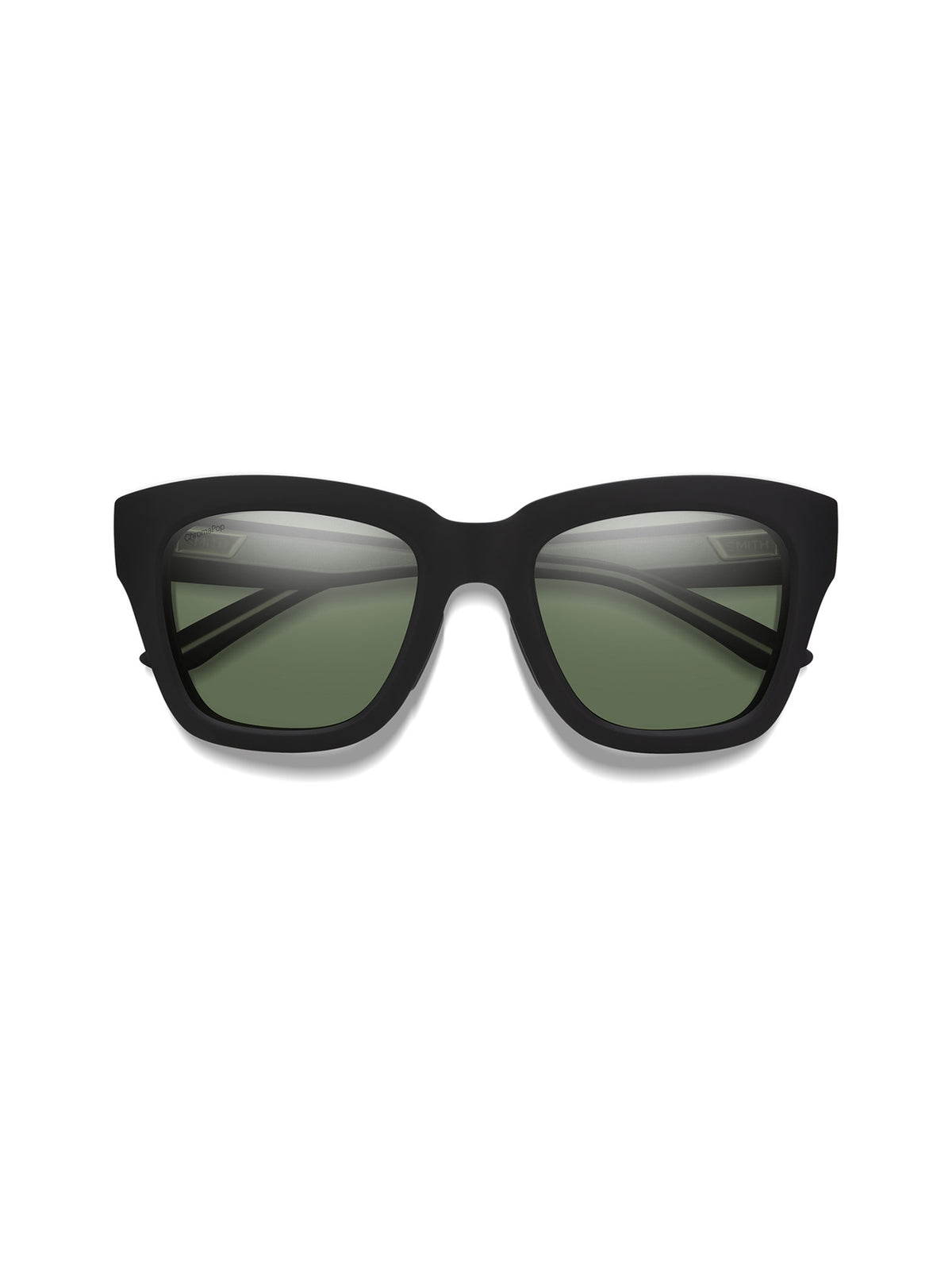
Women's Sunglasses as Part of Your Personal Style
Sunglasses sit in the middle of your face, thus having a particularly significant impact on the overall impression of an outfit. They can establish a clear contour, complement a subtle shape, or become a striking individual piece. Start by asking yourself what role you want them to play. Are you looking for a companion for many everyday outfits, or a special shape that you consciously wear with specific looks? This decision will help you compare frames.
Classifying them as women's sunglasses does not dictate your face shape or a specific frame width. Unisex models can also be suitable. The key factors are the specific front, the nose area, the temples, and how they look when worn. Therefore, choose based on the interplay of these characteristics. A well-known brand model is an interesting starting point, but not an automatic answer to your personal fit or desired style.
Compare Frame Shapes Without Rigid Facial Rules
Angular frames emphasize lines, round shapes create different accents, and outward-sloping contours alter the upper silhouette. You can view such differences as design opportunities. You don't need to categorize your face into a rigid type. Whether you want to pick up on contours or create a contrast is a personal decision. The crucial thing is that you like the effect and that the frame sits comfortably.
First, compare distinctly different shapes. This will reveal whether you prefer a calm horizontal line, a more rounded contour, or a more striking upper corner. Afterwards, you can examine various sizes and colors within that direction. If you only look at very similar models from the start, you might overlook a shape that better suits your desired effect.
Distinguishing Large Lenses from a Truly Suitable Size
A large lens surface can be a conscious stylistic device. However, it does not mean that the frame as a whole should sit too wide. Pay attention to how the front finishes at the sides and how the temples run. An oversized look can be created by high or wide lenses, while the fit at the nose and head must still remain appropriate. Optical volume and technical fit are therefore separate selection criteria.
Observe the bottom edge when smiling and the position on the bridge of the nose. If the frame constantly rests on your cheeks or shifts with small movements, a different geometry should be considered. A smaller version is not always the only solution; the shape of the bridge and lenses can also make a difference. Take your time for this comparison before the desired size is determined solely by your reflection.
Using Lens Width, Bridge, and Temples as a Guide
Many frames include several measurements that refer to lens width, bridge, and temple length. These values help compare known models. However, they do not fully explain the front width or the spatial shape of a pair of glasses. Different material thicknesses and curvatures can alter the fit. Therefore, use existing measurements as a guide and supplement them by examining the specific frame.
A well-fitting pair of your own sunglasses is a helpful starting point. Note their model name and measurements and describe what you want to keep or change. Perhaps the nose area is comfortable, but you are looking for a different lens shape. Or you like the front, but want the temples to feel different. This targeted comparison is more precise than a general search for small or large women's sunglasses.
Nose Pad and Fit During Movement
The connection at the nose helps determine how high the glasses sit and whether they can be worn steadily. Frames with integrated nose pads and models with separate nose pads are constructed differently. No solution is automatically more suitable for every face. Compare where the glasses rest and whether the desired position remains without uncomfortable pressure. The bridge must fit in conjunction with the rest of the geometry.
Tilt your head slightly, look down, and watch for recurring slipping. A frame that is too tight is not automatically the right countermeasure. The temple curve, support, and weight distribution also play a role. Adjustments should match the construction and be carried out by an expert. Choose a shape that is fundamentally suitable, rather than relying on a arbitrary later modification of the frame.
Acetate and Metal as Different Designs
A strong acetate frame can create a distinct color surface. A delicate metal frame allows the lenses to stand out in a different way. The specific construction, not just the material name, determines the overall look. A narrow acetate frame can appear subtle, a striking metal front eye-catching. Therefore, compare material thickness, surface, and shape together and avoid premature classification based solely on the fiber or material specification.
You should also assess the wearing comfort of the finished model. Optically delicate does not necessarily mean more comfortable for you, and a bold shape does not automatically have to be bothersome. Pay attention to the distribution at the nose and ears, as well as the temple contact. The right frame combines its design impact with a fit that you will enjoy wearing throughout your planned daily routine.
A Concrete Example: TOM FORD Barron
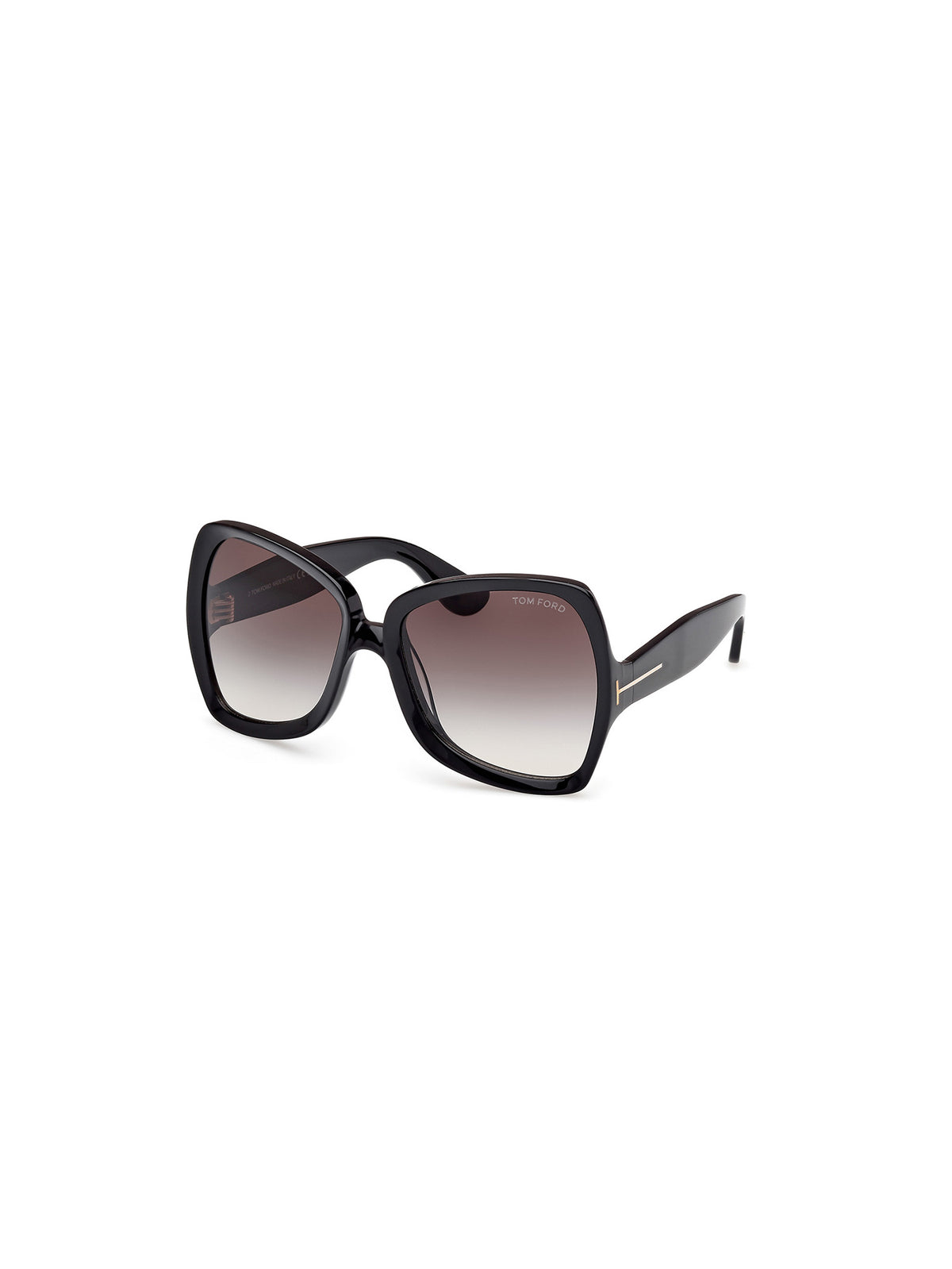
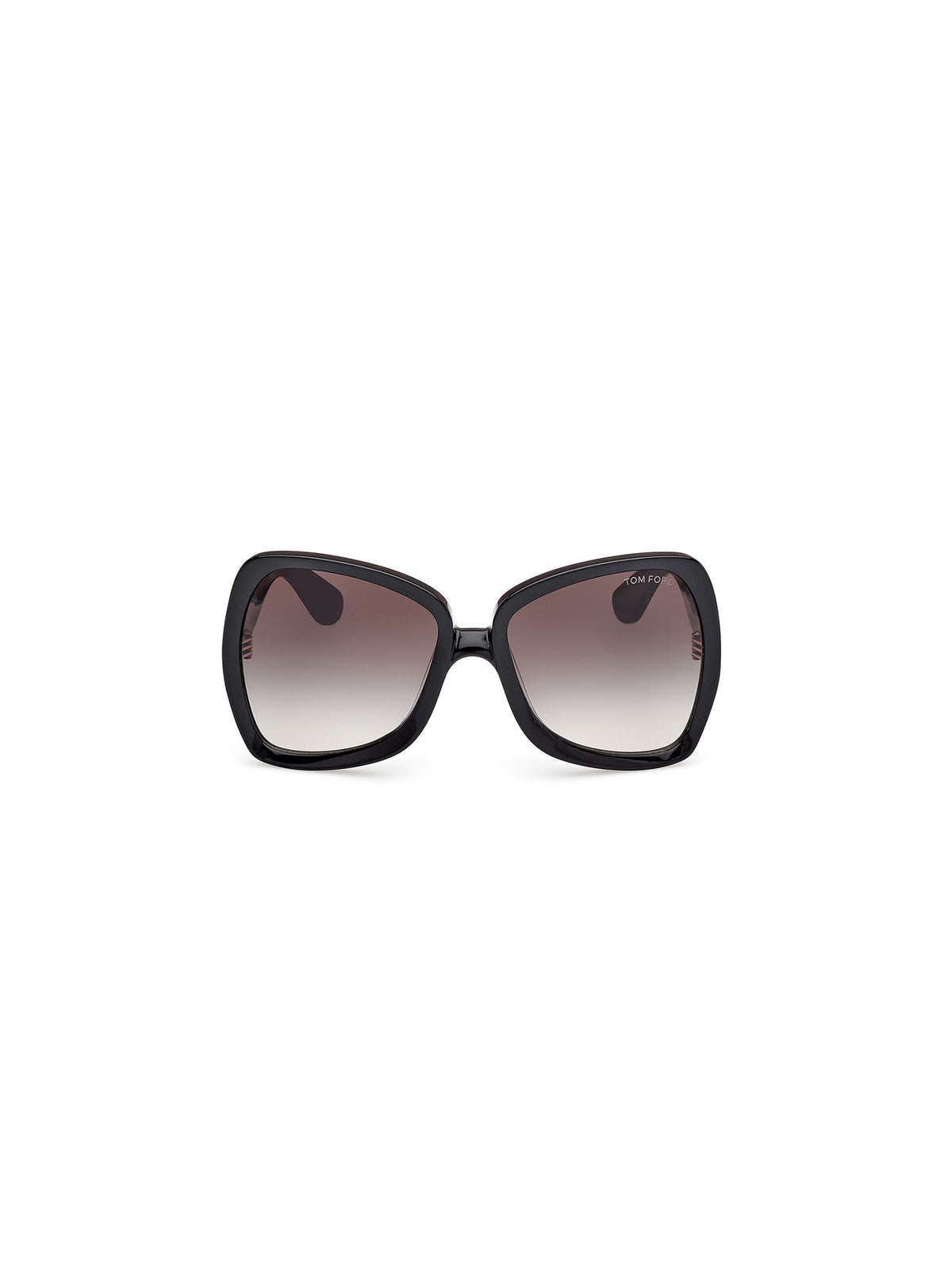
TOM FORD describes the Barron frame with a glossy acetate surface and the metallic T-detail on the temples. This model clearly demonstrates how the material surface and side accent interact. The detail is not exclusively visible from the front, but also characterizes the profile. If you like such elements, consider multiple views and not just the direct front image.
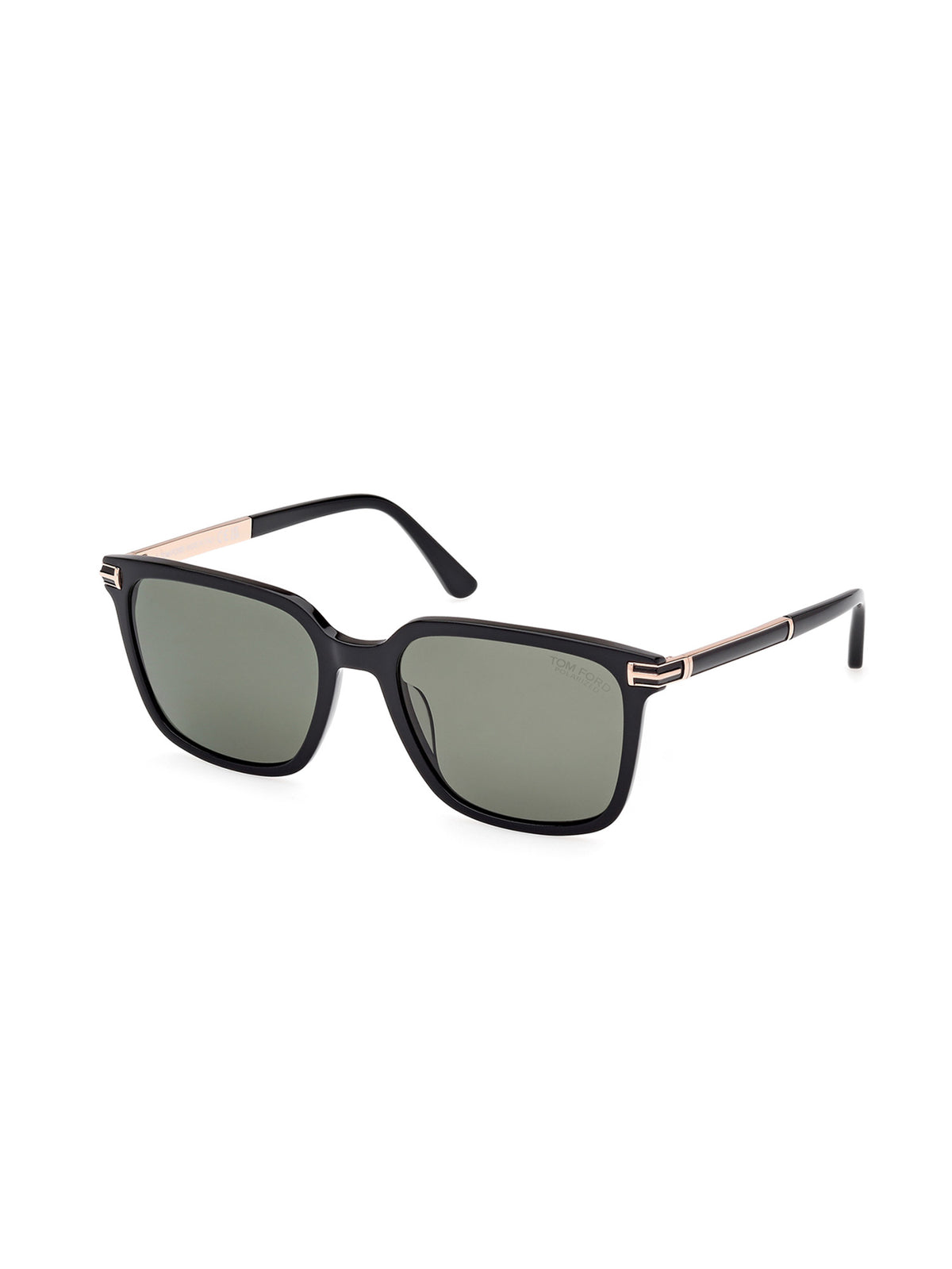
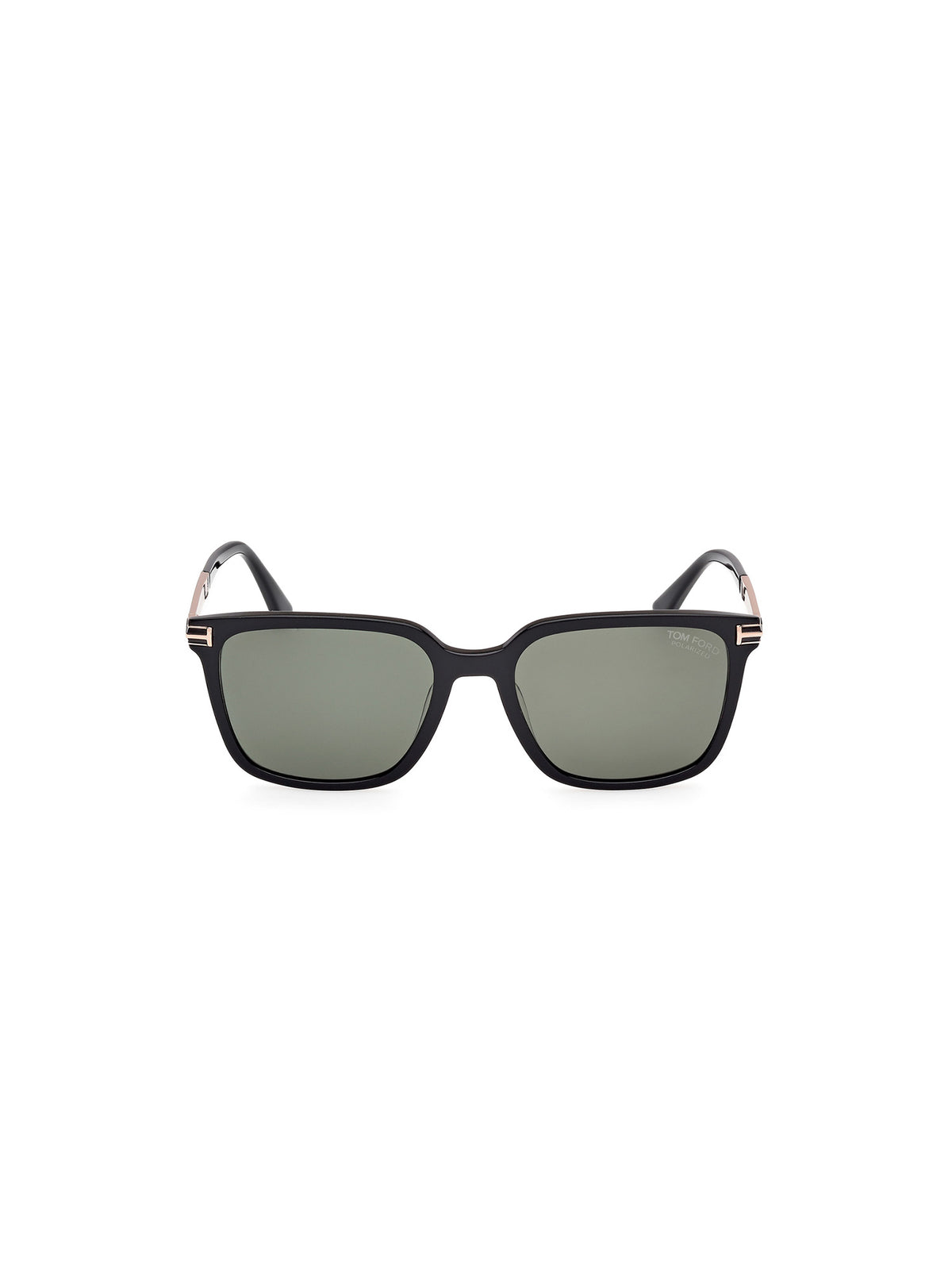
Within a brand world, color, lens, and finish can differ. With TOM FORD sunglasses, you can explore this design further. The model name alone does not replace a variant comparison. Decide whether you are looking for a distinct black contour, a softer color effect, or a different lens design, and then check the specific measurements of the version you are actually considering.
Ray-Ban as a Comparison of Different Frame Concepts
Ray-Ban's well-known model families demonstrate how differently sunglasses can be constructed. The Aviator Classic, for example, is described as a pilot shape with a metal frame and adjustable nose pads. This is a different concept than a robust acetate front. Such examples help you choose not just between brand names, but between actual shapes and support solutions.
At Ray-Ban, you can delve deeper into the relevant brand world. The specific variant with its own measurements and lenses remains crucial. A familiar model family can appear in several versions; this does not imply an identical fit for every person. Use the well-known name as a search direction and the specific frame as the basis for your decision.
Combining Frame Color with Existing Looks
Black creates a clear contour, while transparent or patterned frames can interact differently with skin, hair, and clothing. You don't need rigid color type rules for this. Look at the glasses with a light and a dark top, as well as with your frequently worn jacket. This will help you recognize whether they function as a constant accent or are primarily appealing in a specific combination.
Jewellery can also be part of this comparison. A visible metal detail does not have to have the exact same tone as every earring or clasp. What matters is whether you like the overall effect. If the frame is already heavily patterned, a calm clothing combination can make its shape stand out more clearly. Conversely, subtle sunglasses can leave room for a striking jacket or a patterned scarf.
Choosing Lenses Appropriate for the Purpose
The shape of the frame and the properties of its lenses are two separate decision-making levels. A dark appearance alone does not guarantee complete protection or suitability for a specific use. Therefore, compare the specific lens variant and its marking. A polarized or otherwise equipped version should not be inferred solely from a similar color or a common model name.
Detailed information on lenses, materials, and care can be found in our comprehensive sunglasses selection. Here, the focus is on comparing frames and their personal impact. If a pair of glasses offers multiple lens options, first choose the version suitable for your purpose and then decide on color and overall appearance within those possibilities.
Involving Hats, Hair, and Everyday Movements
Sunglasses are rarely worn in an unchanged posture. You look down, put on a hat, or tuck your hair behind your ears. Therefore, check how the temples interact with your usual accessories. A robust temple shape may be perceived differently under a tight-fitting head covering than without it. Such details are easier to notice during a full try-on than in a pure front comparison.
If you frequently move between indoors and outdoors, taking them off is also part of the handling. Consider where the glasses will be safely stored afterwards. A suitable case or pouch should accommodate the shape without putting pressure on sensitive areas. Clarify the scope of delivery for the specific model and, if necessary, add appropriate storage. Loose in a bag, the frame can come into contact with other objects.
A Look at the Side View
From the front, a frame can look subtle, while its temples are much more elaborately designed. Therefore, check the hinges, the side material thickness, and the position of decorative elements in profile. This is particularly helpful if you often wear your hair tied back and the sides remain visible. With open hair, on the other hand, the front may be more in focus. Both views belong to the same pair of glasses and should appeal to you in your usual way of wearing them.
Consciously Choosing Your Favorite
Compare your shortlist in the same order: desired frame effect, fit at the nose and cheeks, temples, specific lens variant, and combination with your outfits. In women's accessories, you will find further ways to complement the look. It doesn't require a completely new set; often, a pair of sunglasses that connects existing clothing in a new way is enough.
If you have two favorites, note what you prefer about each. A calmer front, a more comfortable nose area, or a better matching color are concrete reasons. This turns a spontaneous visual preference into a conscious choice. The right pair of women's sunglasses embodies your style without having to compromise on essential requirements for fit or purpose.
04At FREUDENHAUS
05Questions about the category