







Hestra Ski Gloves - Comparing Grip, Fit and Lining
Hestra offers various ways to equip your hands for a day of skiing. Finger gloves, mittens, and three-finger designs differ, as do long gauntlets and shorter cuffs. Here you'll find guidance on Heli Ski, Wakayama, and specific selection questions regarding size, lining, leather care, and the interaction with poles and jackets.
02Discover
Categories.









03Unterschiede bis ins Detail
What counts
in your hands.
Choosing Hestra Ski Gloves Based on Your Grip
With ski gloves, you hold your poles, operate a zipper, and reach for your goggles. At the same time, they need to suit the weather and your personal warmth preferences. These tasks do not lead to the same model for all hands. Therefore, with Hestra, start with your preferred shape: Do you want to move each finger individually, accommodate more fingers together, or use a middle ground? Then follow the length, lining, and how the glove finishes with your jacket.
A glove might look suitable on the outside but feel different on the pole than expected. Therefore, assess it with a comparable grip if possible. Close your hand, open it, and check how much material gathers in the palm. The thumb should be able to be positioned well without the entire glove being pulled along. The Ski Gloves collection provides an overview of various constructions; the Hestra brand world can then be further categorized by its own families.
Five Fingers, Three Fingers, or Mitten?
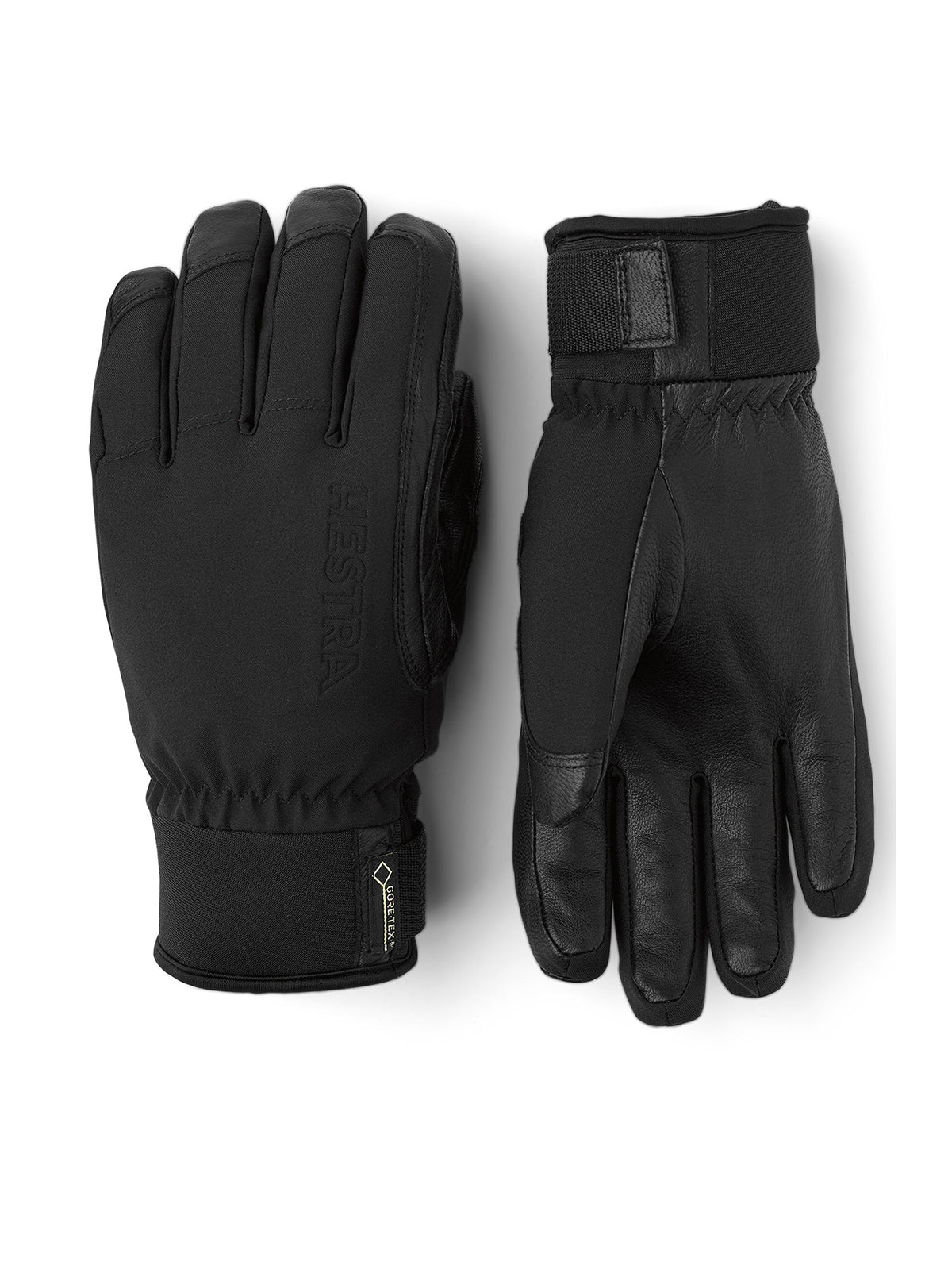
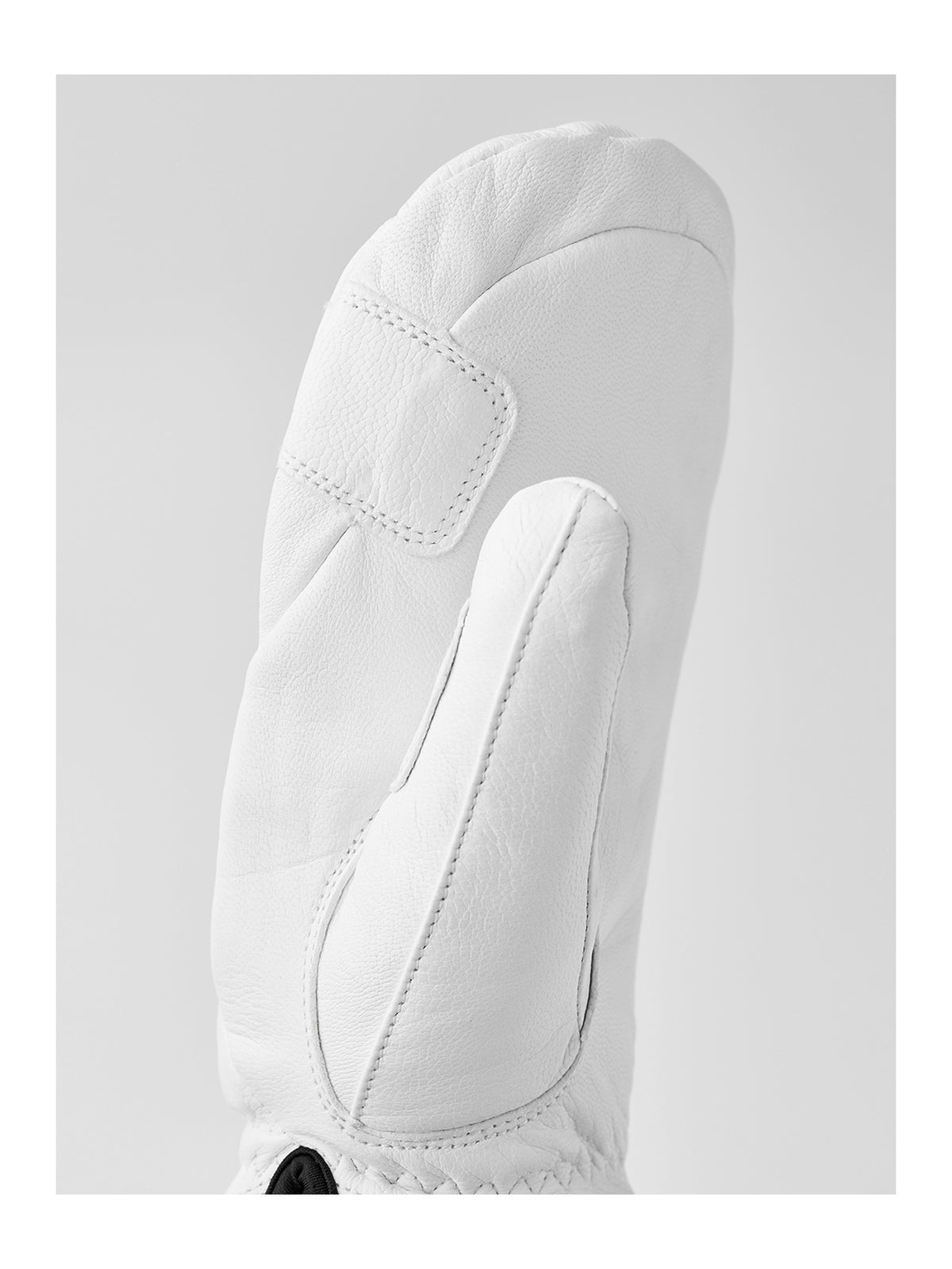
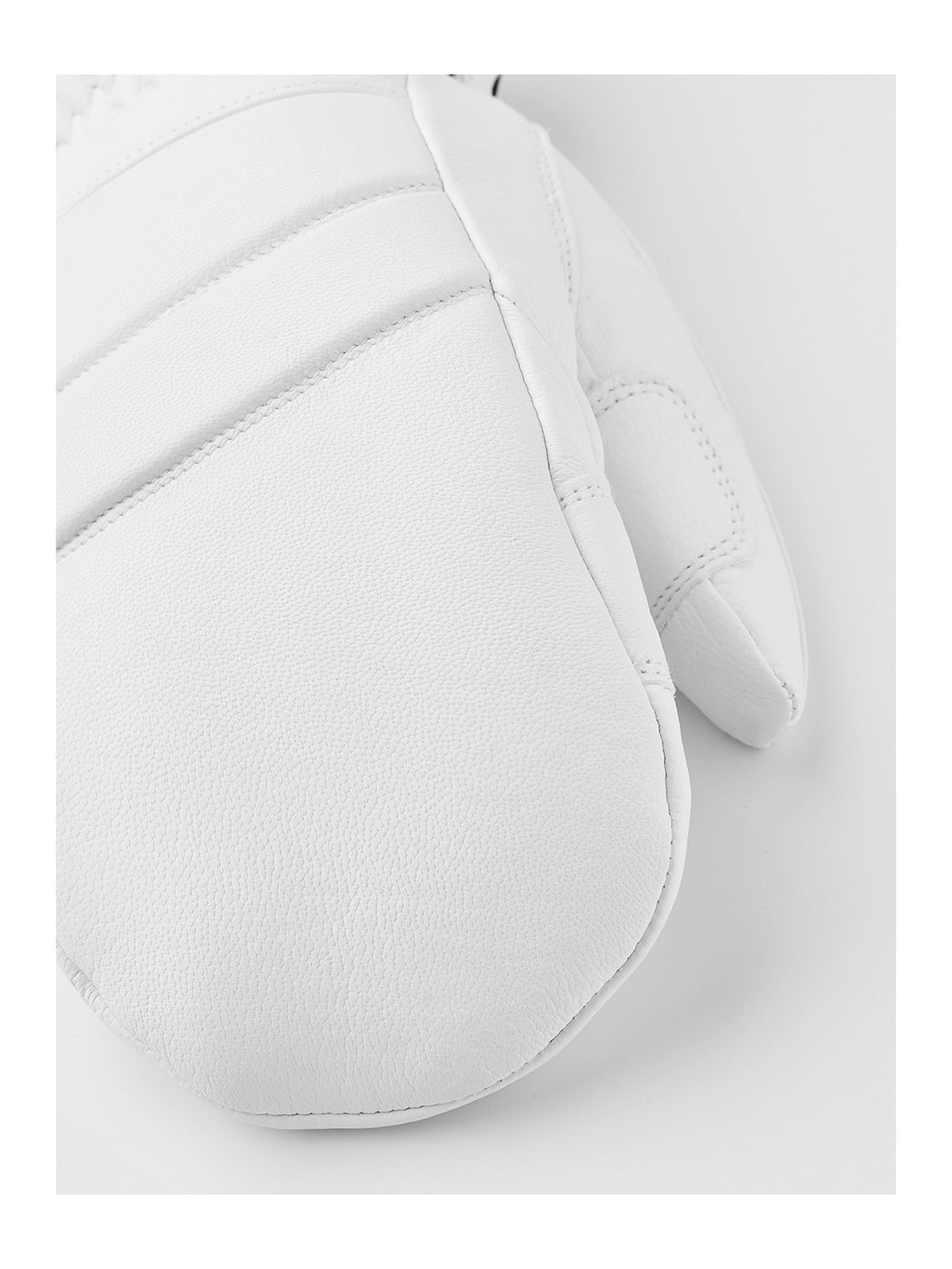
A five-finger glove divides the hand into individual finger compartments. This is interesting if you value as much separate movement as possible. A mitten brings the fingers together and thus has a different inner shape. Do not decide solely based on a general statement about which variant is fundamentally better. Your grip, the desired fabric volume, and your personal warmth perception belong together. Even within one shape, lining and construction can vary significantly.
A three-finger shape combines a separately guided index finger with a common area for other fingers. It is a distinct option between the other two shapes. Try to see if you can grasp your pole and perform the desired hand movements as you prefer with it. Switching from a five-finger glove can feel unusual at first. The actual use is therefore more revealing than a decision based solely on the product image or outer silhouette.
The Heli-Ski Family as a Functional Starting Point
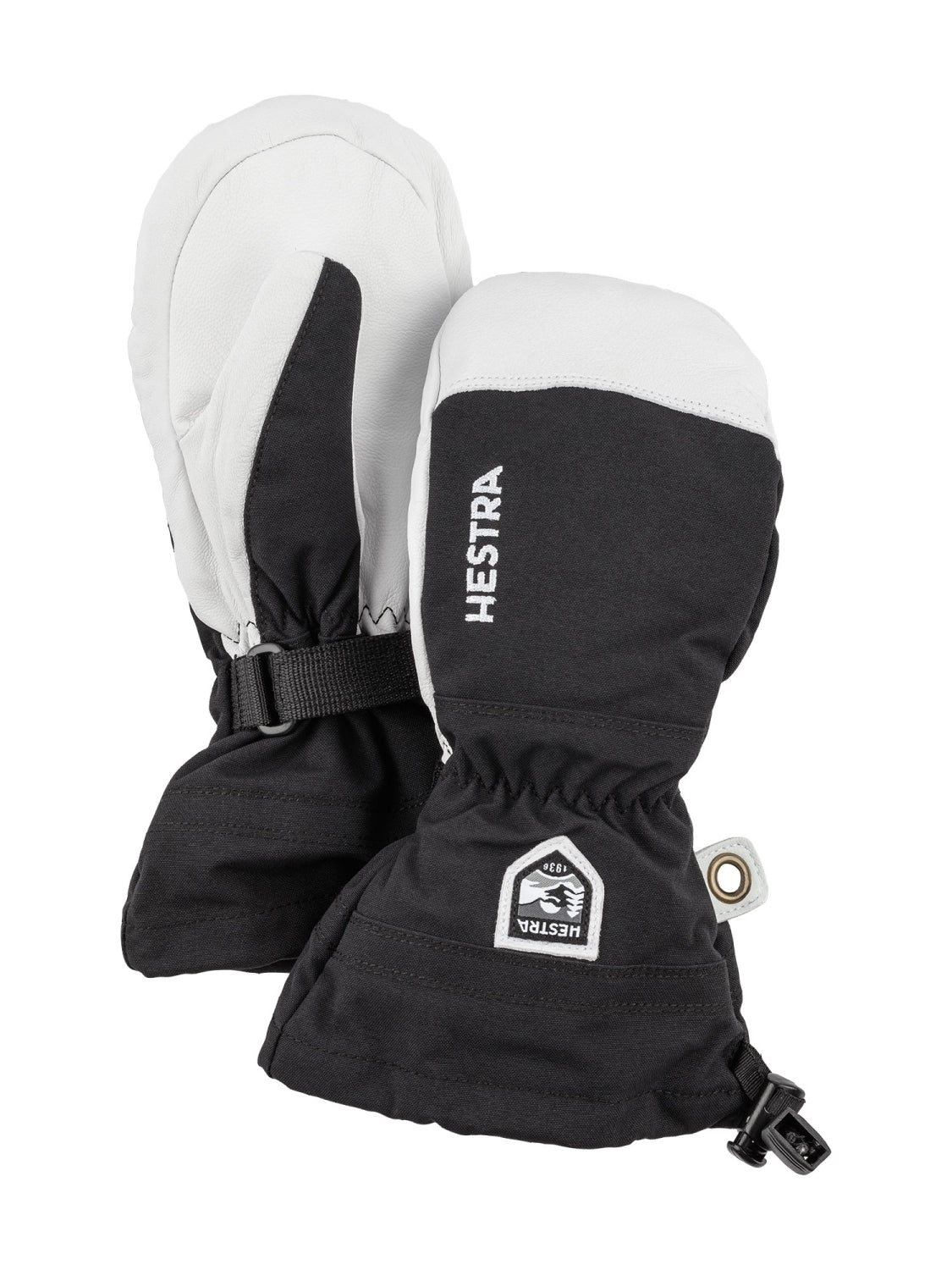
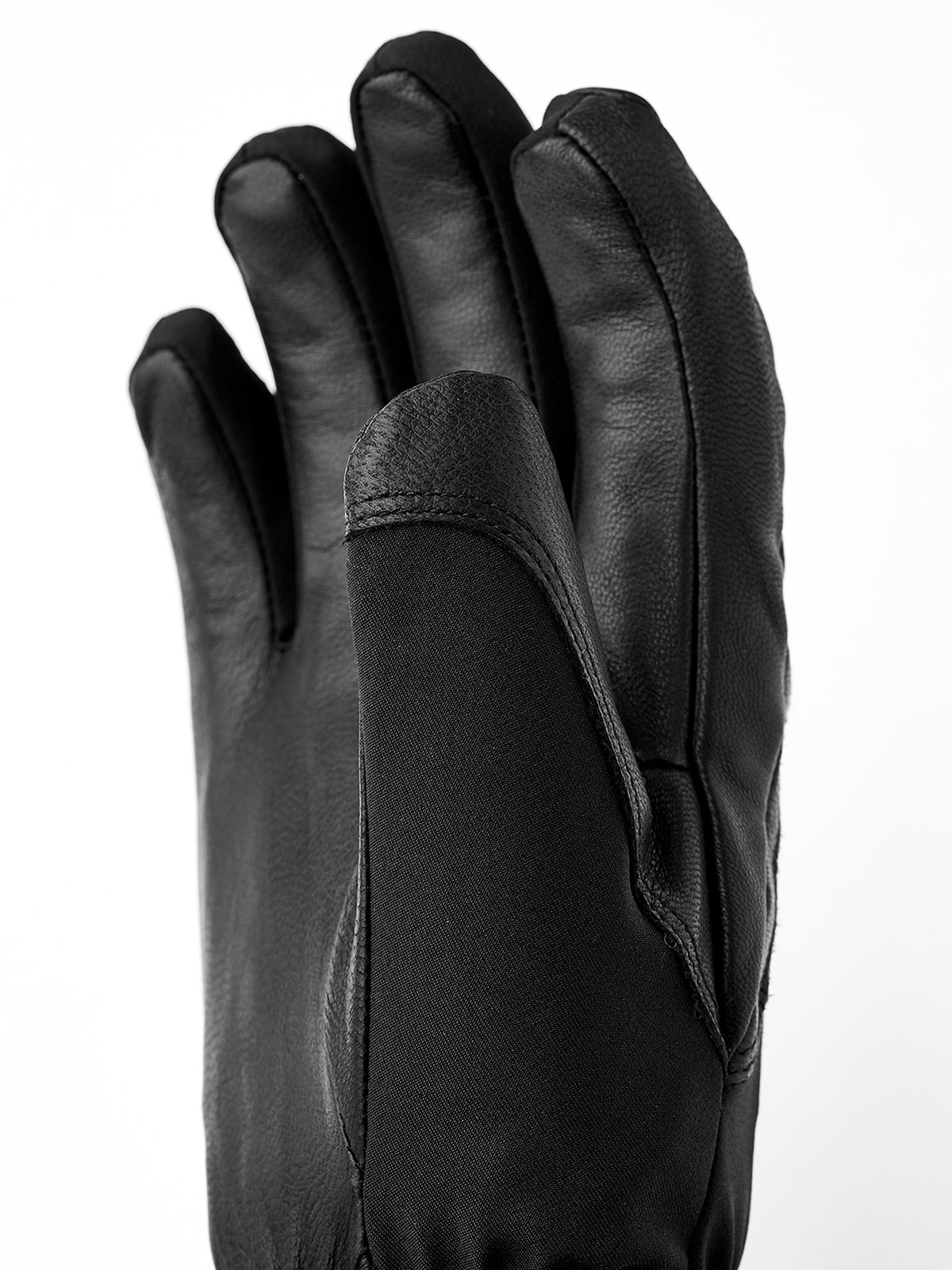
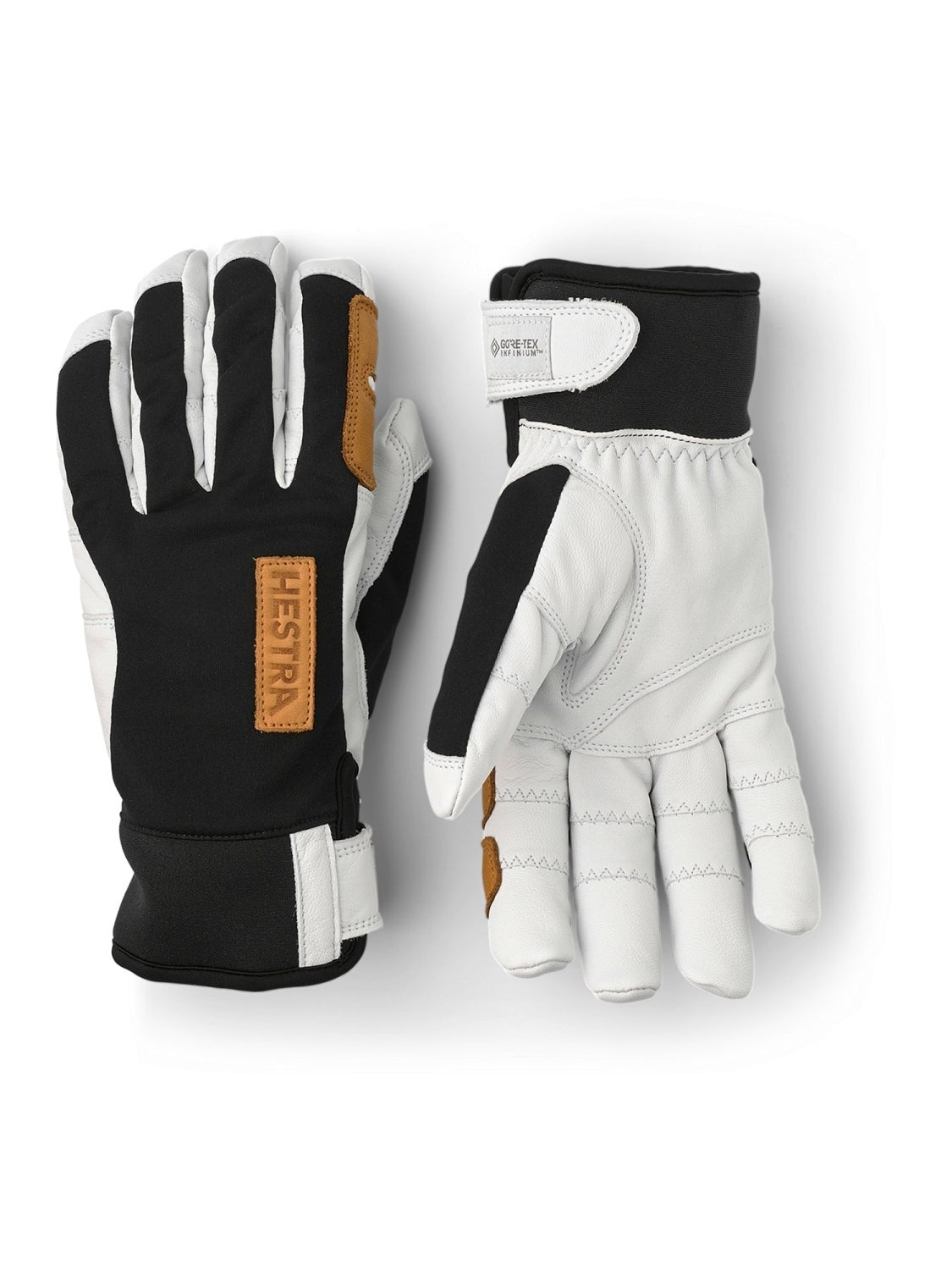
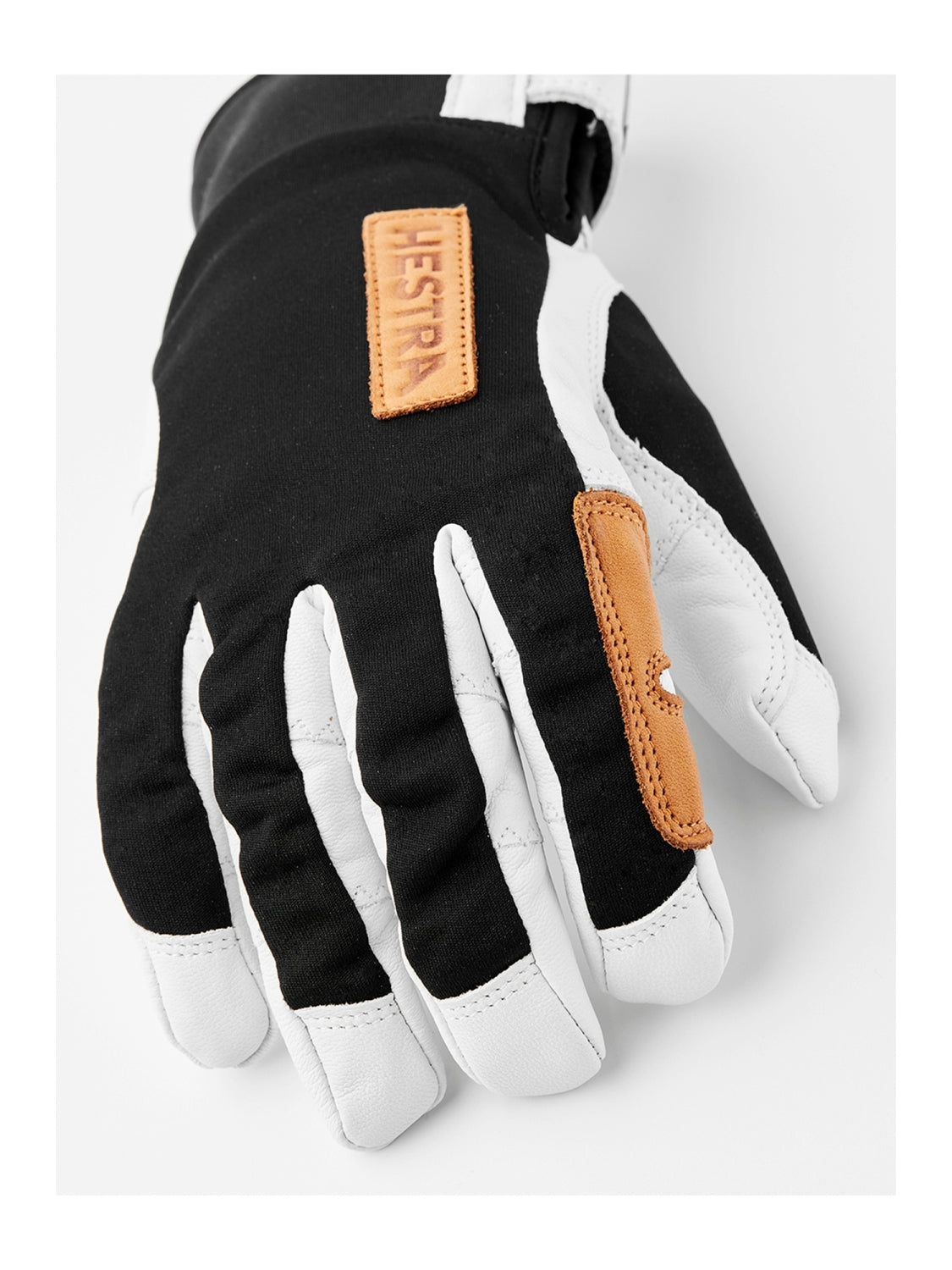
Hestra describes the Army Leather Heli Ski family with a long cuff and removable inner lining. It includes versions with five fingers, three fingers, and mittens. This shared model world makes the choice of shape particularly easy to understand. You can combine the principle of a longer cuff with different finger divisions. The exact design remains important, however, as size and construction must match your hand and the rest of your equipment.
A removable lining can be dried separately from the outer glove or replaced with a suitable alternative. This is a practical feature for planning multiple ski days and different conditions. The longer cuff is considered together with the jacket sleeve. Check how both parts overlap and how you operate the intended adjustment. A long glove is not automatically the right choice if the combination at the sleeve gathers too much material.
Wakayama: A Different Design and Cuff Shape
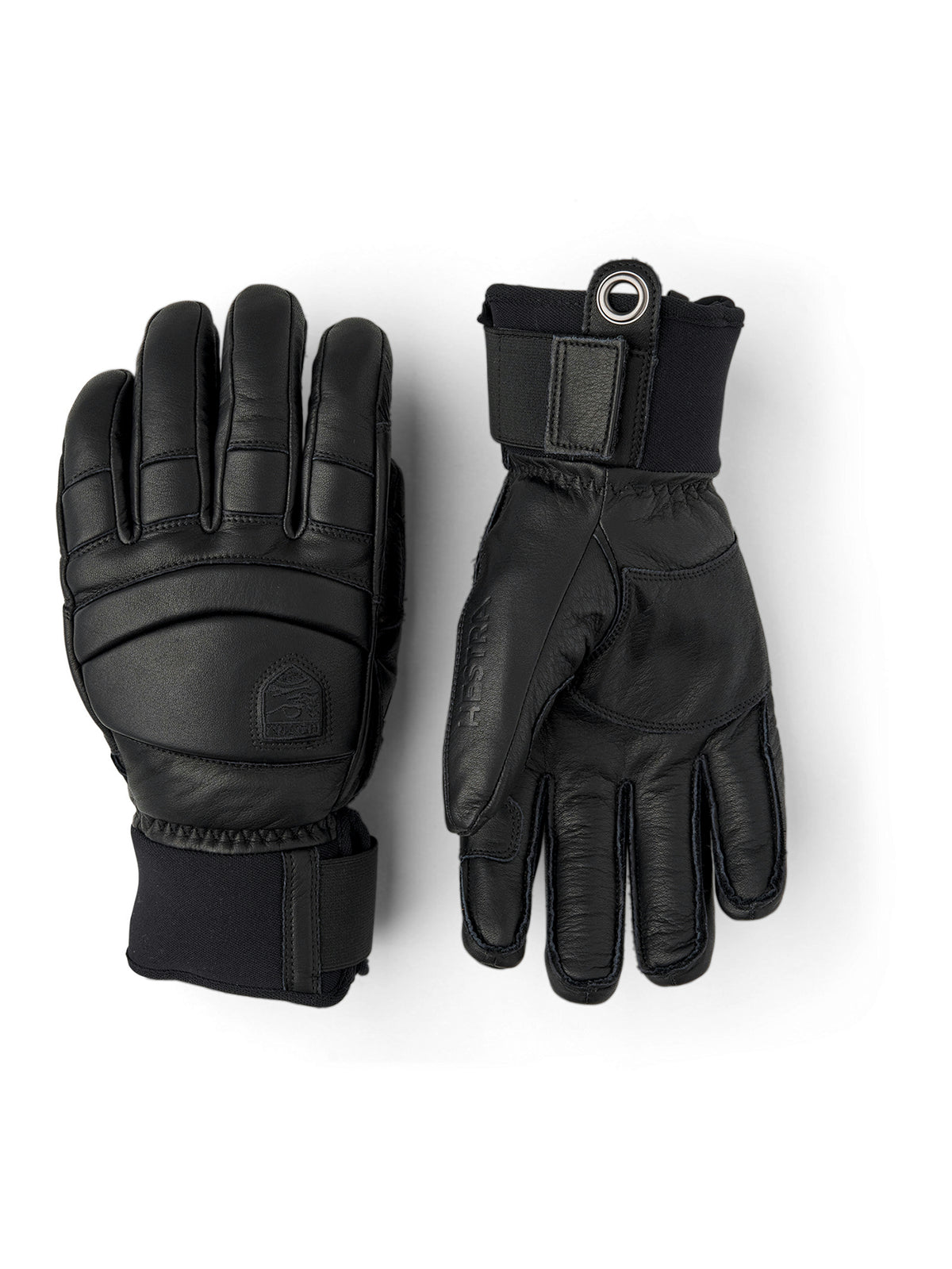
Hestra describes Wakayama as a ski glove inspired by retro shapes. In the official five-finger version, visible external seams on the fingers, a removable wool lining, and a cord adjustment at the wrist are mentioned, among other things. This results in a different selection direction than a model with a long cuff. Consider the shape at the wrist together with your jacket sleeve and check how it feels when you move your hand. The design is part of the profile; the suitable fit remains independent.
Even within a product family, material details should be checked in the specific design. A leather glove is not only understood by its visible surface: lining, seams, and wrist closure also contribute. If the Wakayama style appeals to you, consciously compare it with a longer shape. The question is not only which glove you like better, but also which type of putting on and taking off, and which transition to the sleeve, is more practical for you.
Long Cuff or Finish Under the Sleeve?
A long cuff can be worn over the jacket sleeve, provided the specific combination is suitable. It forms a larger external finish. A shorter glove can be connected differently to the sleeve opening depending on its shape and may appear optically more compact. Decide early which arrangement you prefer. The correct size for the hand alone does not yet confirm that the cuff will fit over the voluminous sleeve of your existing jacket.
Therefore, try on the gloves with the sleeve cuff closed. Bend your wrist and extend your arm. This way, you can see if the two parts interlock or if a gap opens. A thinner jacket may work differently with the same glove than a more heavily constructed ski jacket. In the Women's Ski Jackets collection, you will find complementary shapes if you want to assemble your combination from both sides.
Assessing Size on Hand and Fingers
Use the size specifications of the respective Hestra model as a starting point. Then, it's about how the palm, thumb, and fingers lie together. A glove should not only appear to fit in one place. Too much free space at the fingertips feels different when gripping than a version that is already tight in a relaxed position. Close your hand several times before relying on a first impression in an open state.
Consciously check the thumb individually. It moves differently when holding a pole than the other fingers and should be clearly guided in its compartment. Also, pay attention to how the lining behaves when you take it off. A removable inner glove is handled differently than a permanently integrated construction. The correct size should support this construction. A general recommendation to choose a size larger or smaller would not do justice to the different shapes.
Women's Models and Narrower Shapes
Hestra also offers explicitly narrower-cut women's shapes in the Heli-Ski world. This can be helpful for orientation, but your actual hand is decisive. The target group designation alone does not indicate which finger length and palm width you need. Compare the measurements and try the desired movement on the pole. This way, a suitable shape is selected, instead of just using a color variant or a label as a substitute for trying it on.
Considering Lining and Warmth Requirements Together
The inner lining changes the space within the glove. If you also want to wear a thin inner glove, this layer must be taken into account when choosing the size. More material is not automatically more comfortable if it makes the available space too tight. Also, consider whether you actually want to wear the additional layer for an extended period or if it is only intended for specific situations. This decision influences which combination remains coherent when gripping.
With an interchangeable lining, the correct assignment is important. Not every size and shape of a liner automatically fits every outer glove. Refer to the manufacturer's intended combination. A separate lining can simplify handling during drying; a permanently attached construction is treated differently. If you know these differences before purchasing, you can better assess which glove suits your habits during and after a day of skiing.
Leather Care is Part of the Selection at Hestra
Hestra differentiates between leather types and glove types in its care instructions. The manufacturer recommends its own leather balm for corresponding sports gloves made of goat or cowhide, not generally for every fine leather glove. This is important when buying accessories: a care product needs a suitable assignment just like an inner lining. The care of the specific model and its materials remains decisive. Arbitrary treatment solely based on the brand is not a sensible shortcut.
The manufacturer also points out that leather balm does not make a glove waterproof and light leather may darken after treatment. Therefore, consider care and weather protection as different topics. The respective instructions apply for cleaning; permanently integrated linings should not simply be pulled inside out. Removable inner linings, on the other hand, can be treated separately according to their own labeling. This way, the construction remains comprehensible instead of being unintentionally altered during cleaning.
Considering Accessories and Poles Together
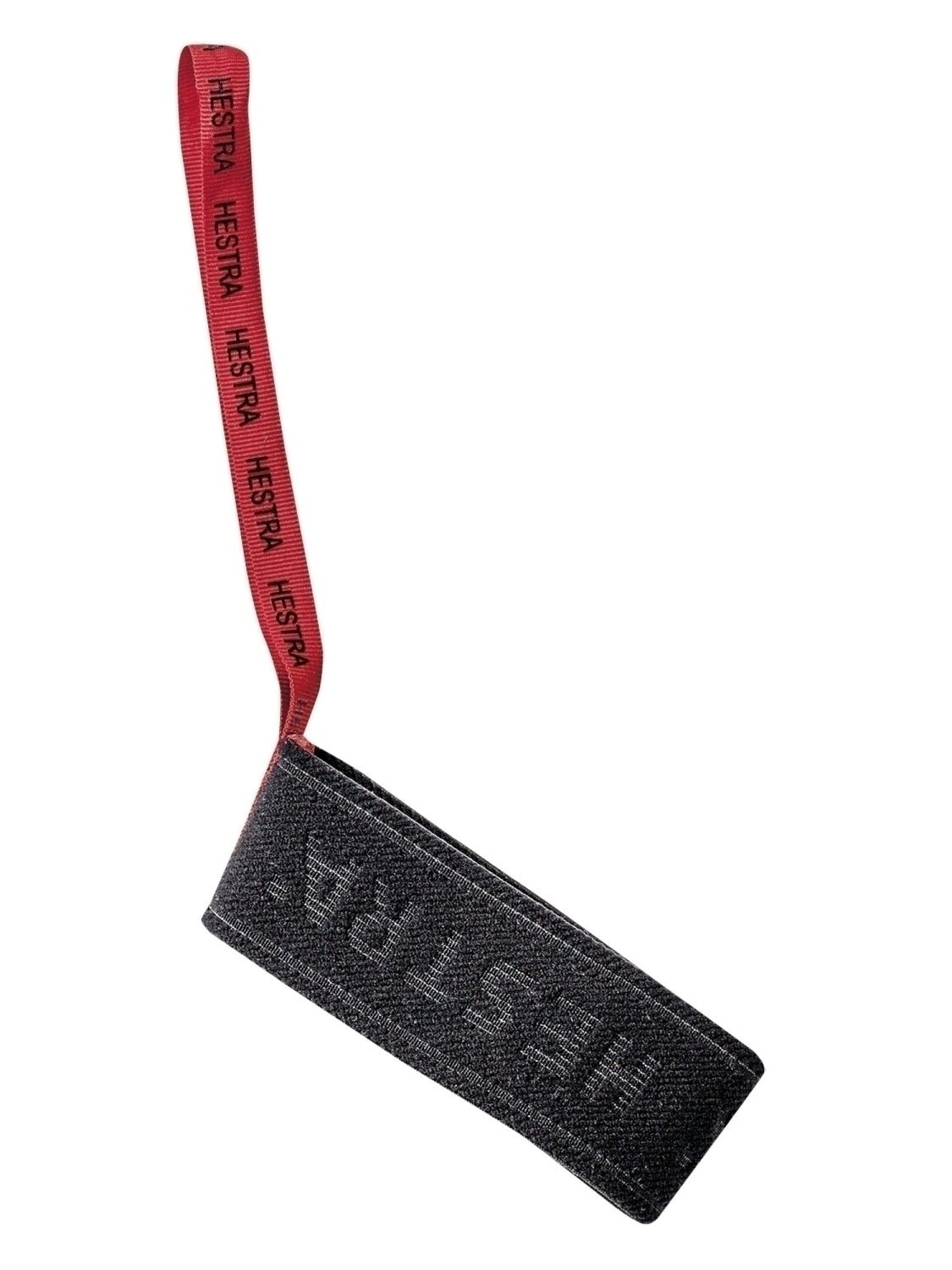
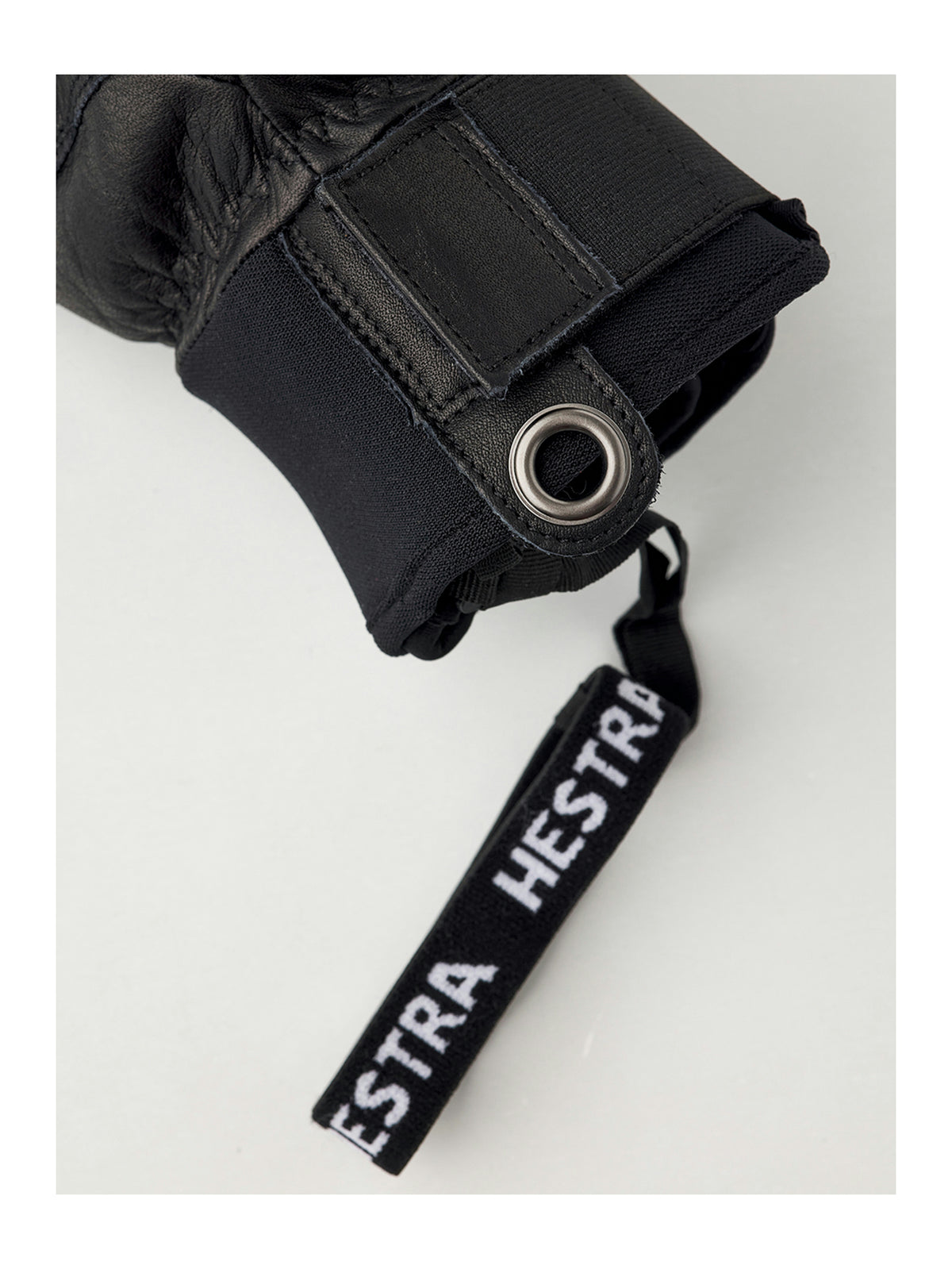
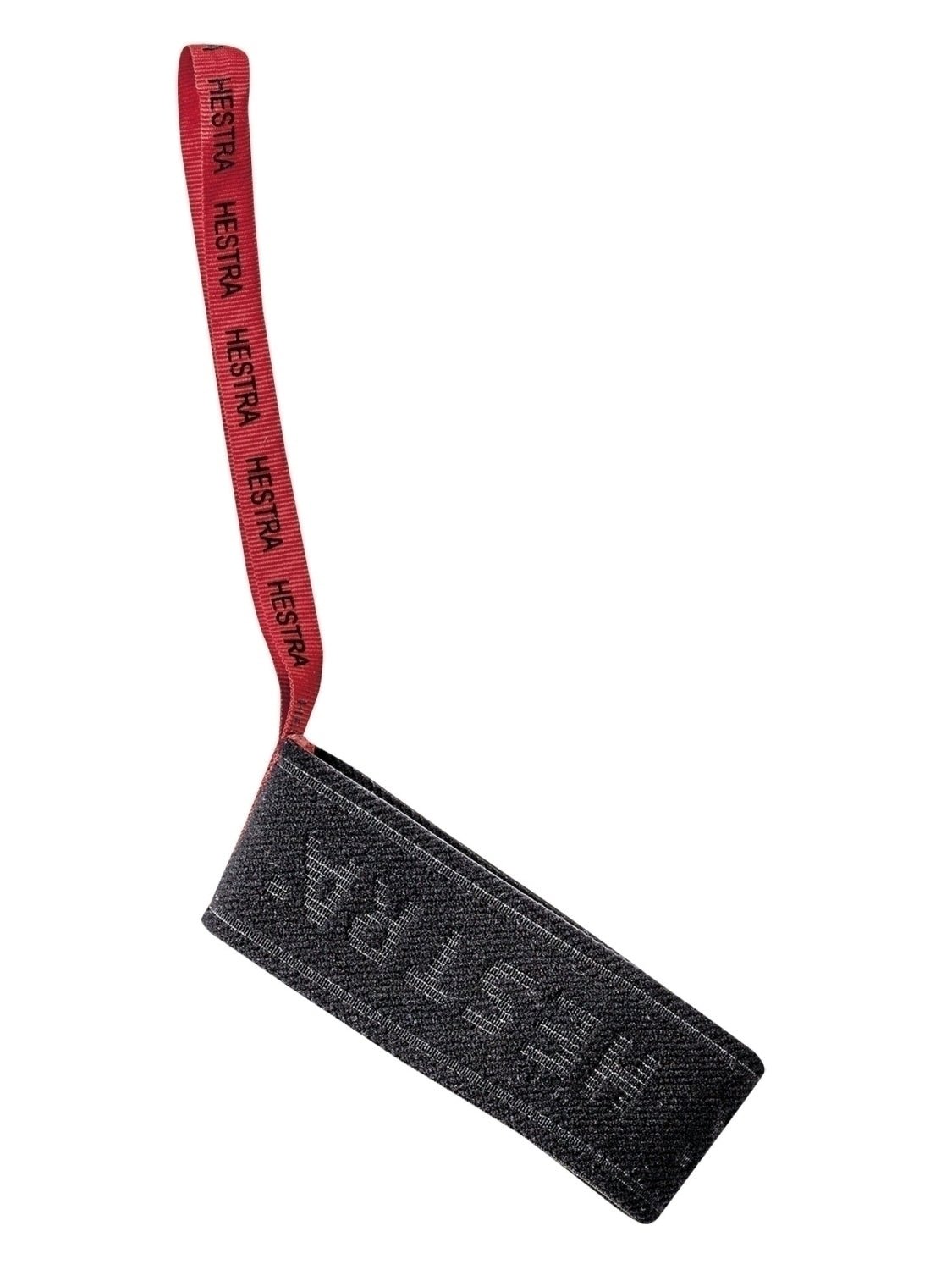
A wrist strap can facilitate handling on models designed for it when you briefly take off the glove. However, it is a different component than the strap on a ski pole. Consider both parts separately and note the intended applications. The shape of the pole is also relevant for the grip feel. In the Ski Poles collection, you can look at different grips if you are reassembling not just the glove but this combination.
Finally, narrow down your Hestra selection to three decisions: the finger division, the cuff to the jacket, and the lining construction. Then compare size and desired design. A Heli-Ski model with a long cuff sets a different priority than a shorter-looking Wakayama. Both can be useful if they fit your hand and your grip. Choose the specific combination you actually want to use on your ski day, and complement care or replacement lining appropriately for that exact version.
04This brand at FREUDENHAUS
05Questions about the brand