









Choosing Caps: Shape, Material, and Comfortable Fit
Caps add a sporty touch and vary greatly in shape, material, and fit. Compare flat or higher fronts, closed fabrics, and trucker constructions. This unisex selection helps you match the size, brim, and closure to your everyday life – even when combining the cap with glasses, a jacket, or other accessories.





Caps: Shape and Fit Make the Difference
A cap changes a look with little effort. At the same time, when you wear it, you quickly notice whether the brim, head shape, and closure fit together. Some models sit flat and close to the head, others have a higher front and a more pronounced structure. Therefore, start with the silhouette and the fit. A large logo is visible but says little about how the cap fits the forehead and back of the head.
Unisex caps can be chosen independently of a women's or men's assignment. Head circumference, depth, and adjustment range remain decisive. An adjustable cap is no guarantee that every head shape will fit equally well. Those who prefer a flat fit may find a high front too voluminous. Conversely, a low cut may offer too little depth for a larger head. Neither can be compensated for by the closure alone.
Baseball Cap, Trucker Shape, and Softer Constructions
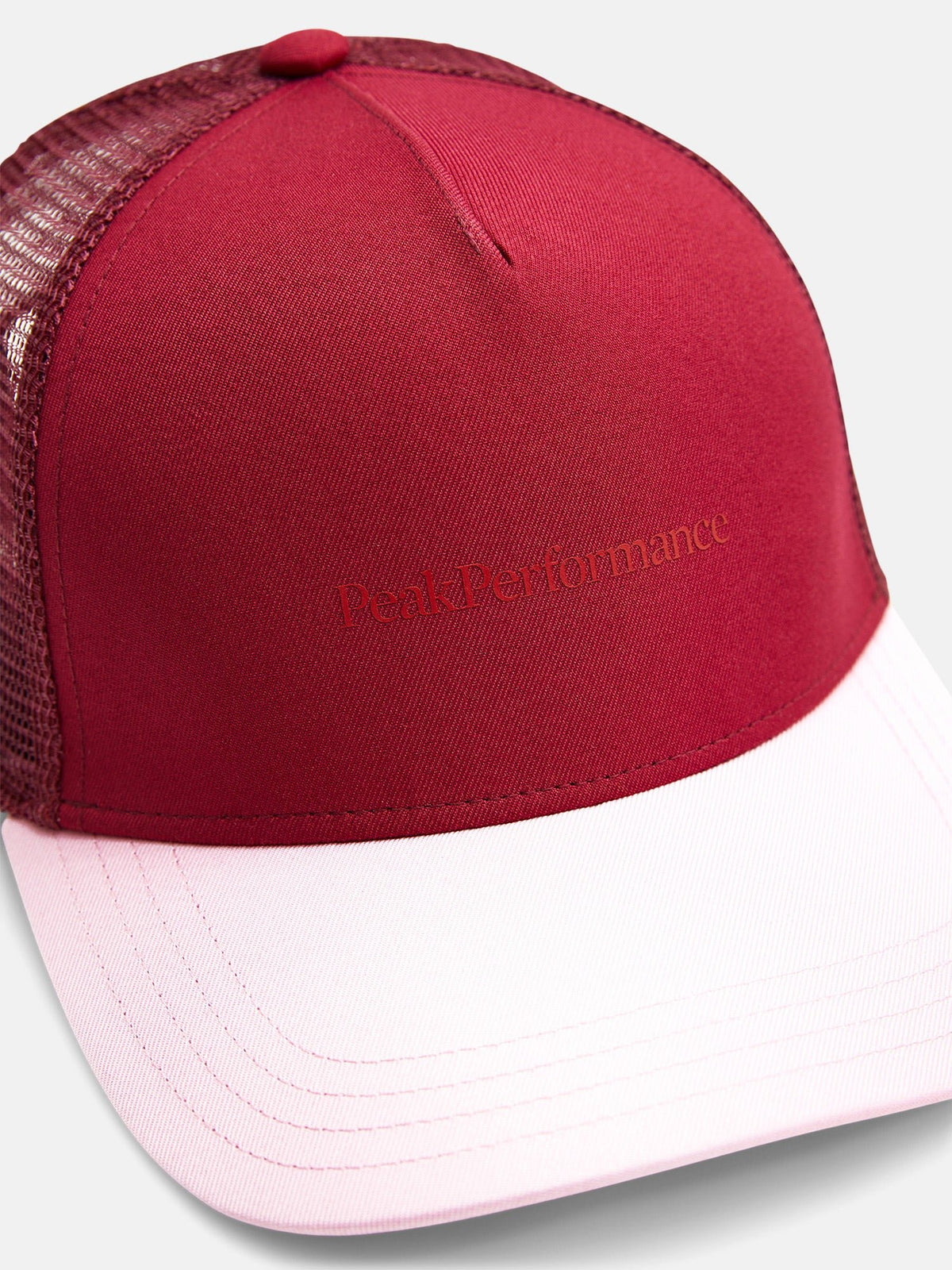
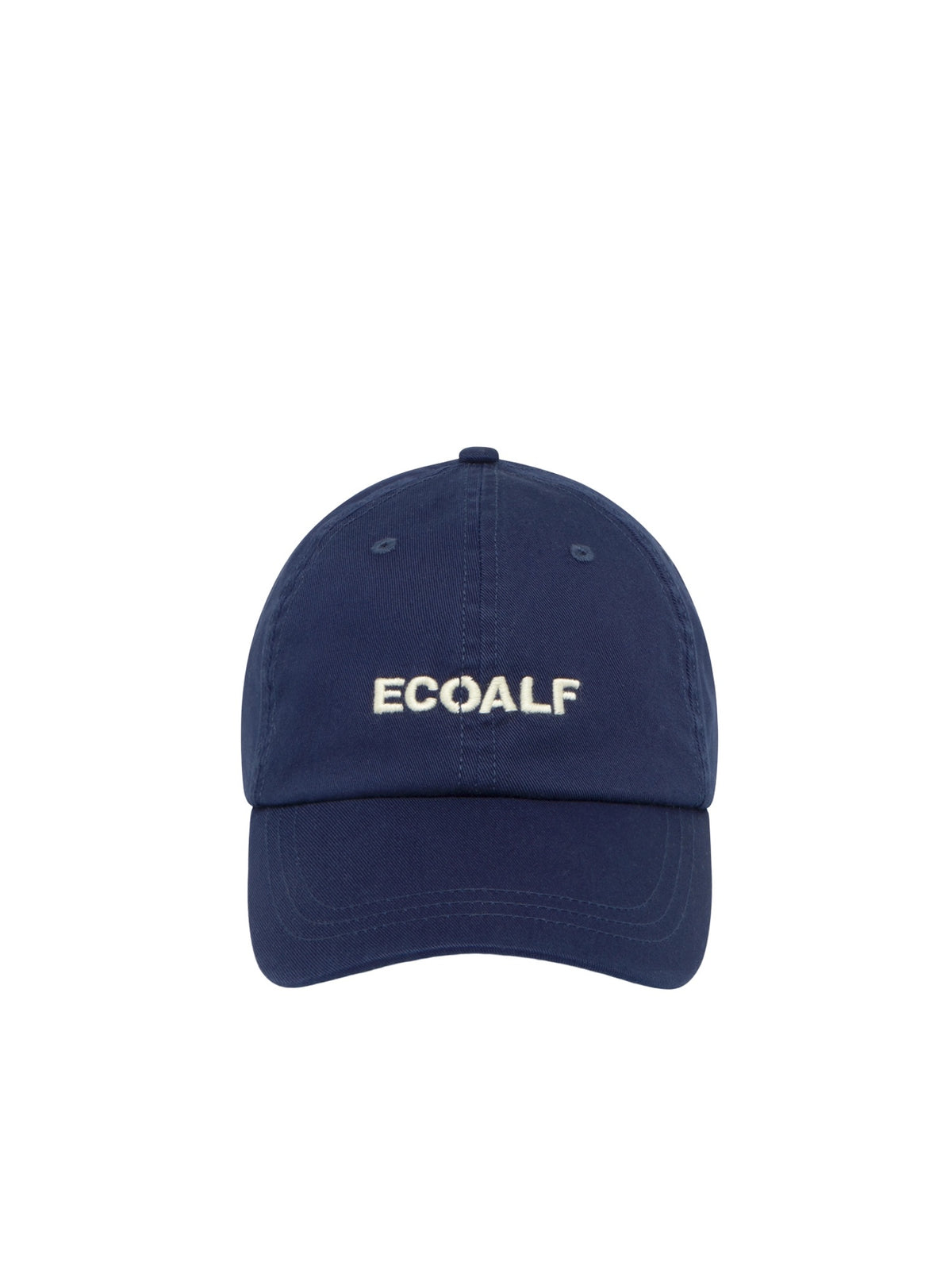
A classic baseball cap combines a closed crown with a forward-facing brim. How sporty or understated it looks depends on the front, the curvature, and the material. A pre-formed front maintains its silhouette more strongly. Softer models follow the head more closely and can be combined more casually. The number of fabric panels can describe the construction but is not a general seal of quality.
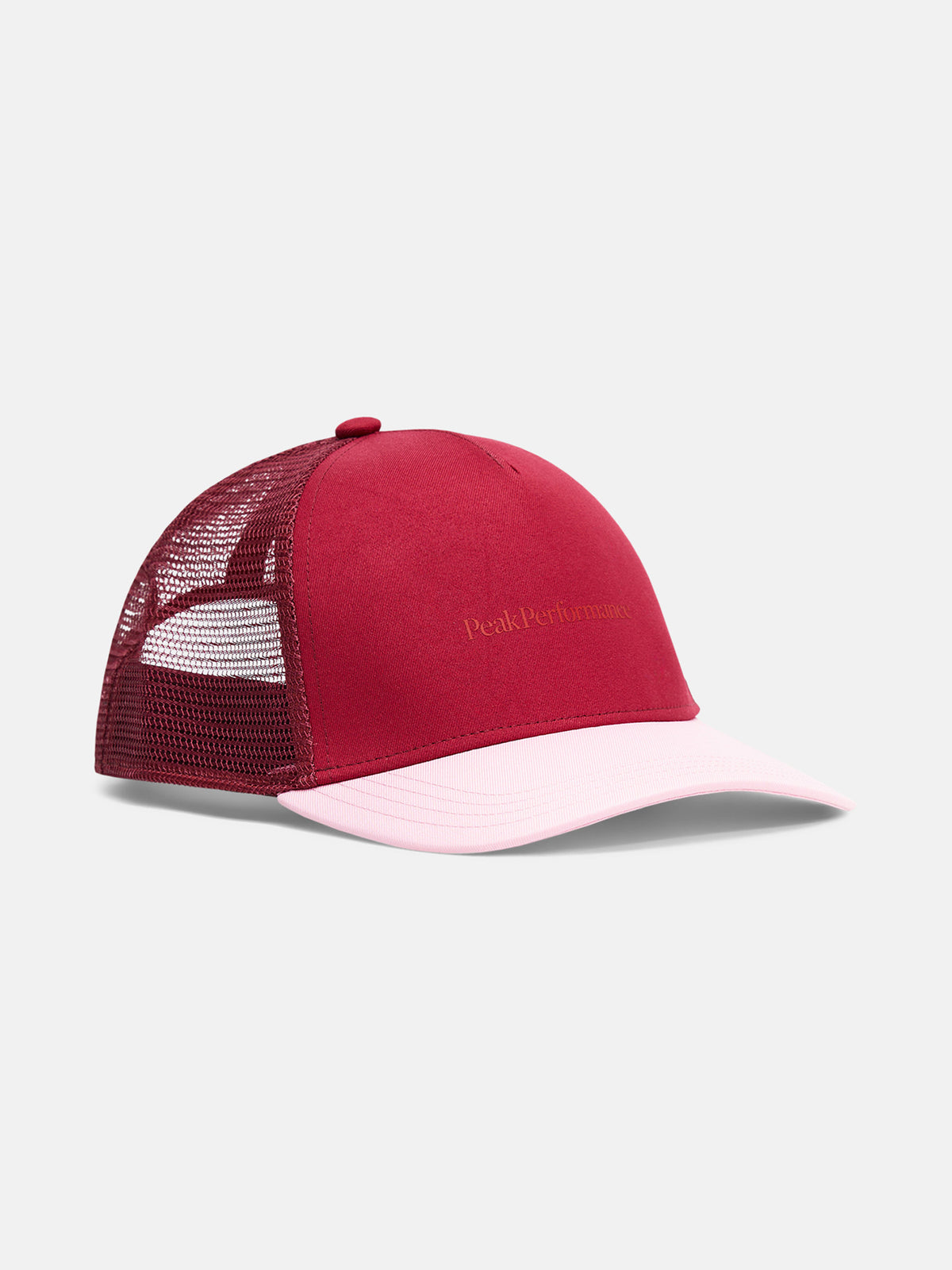
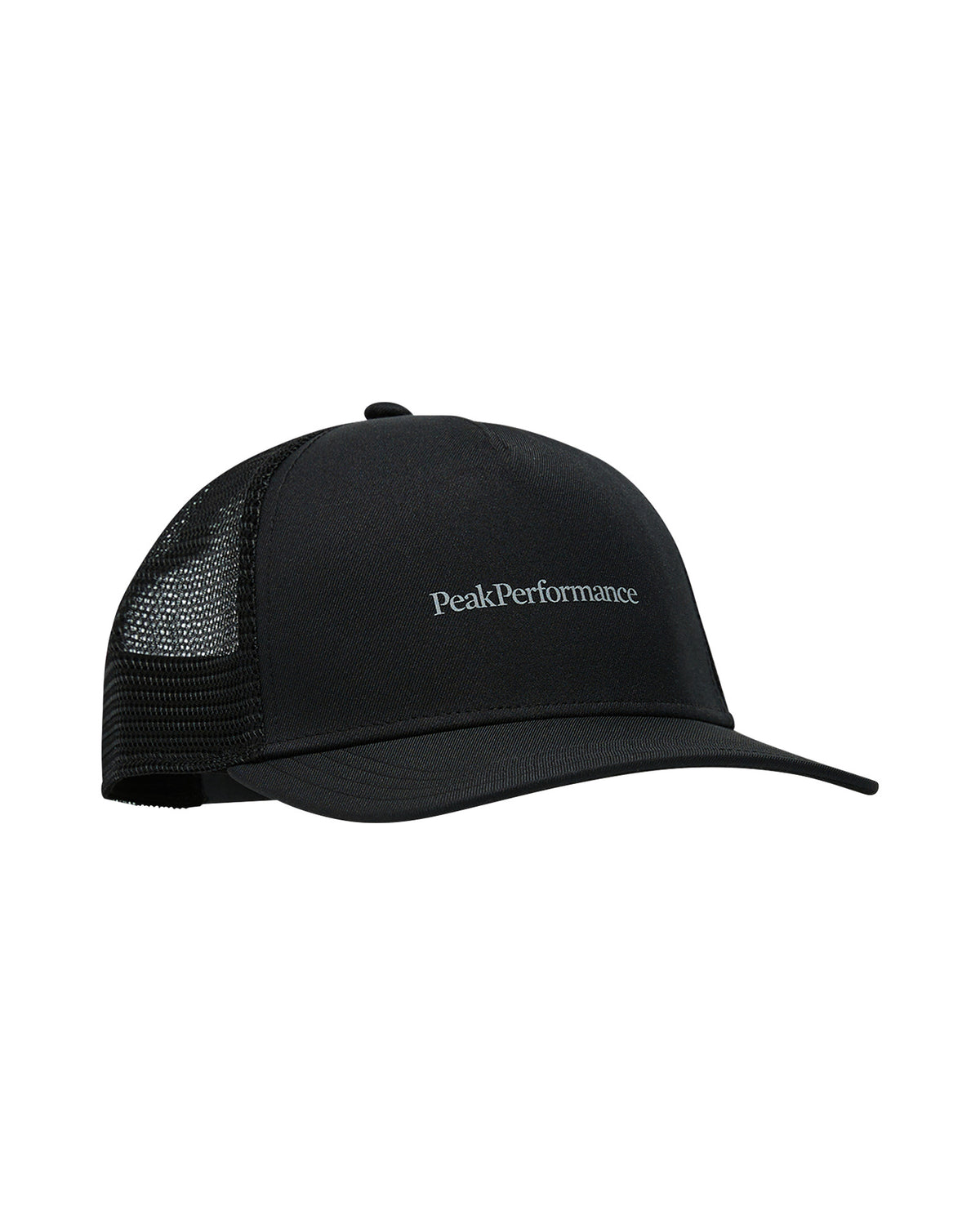
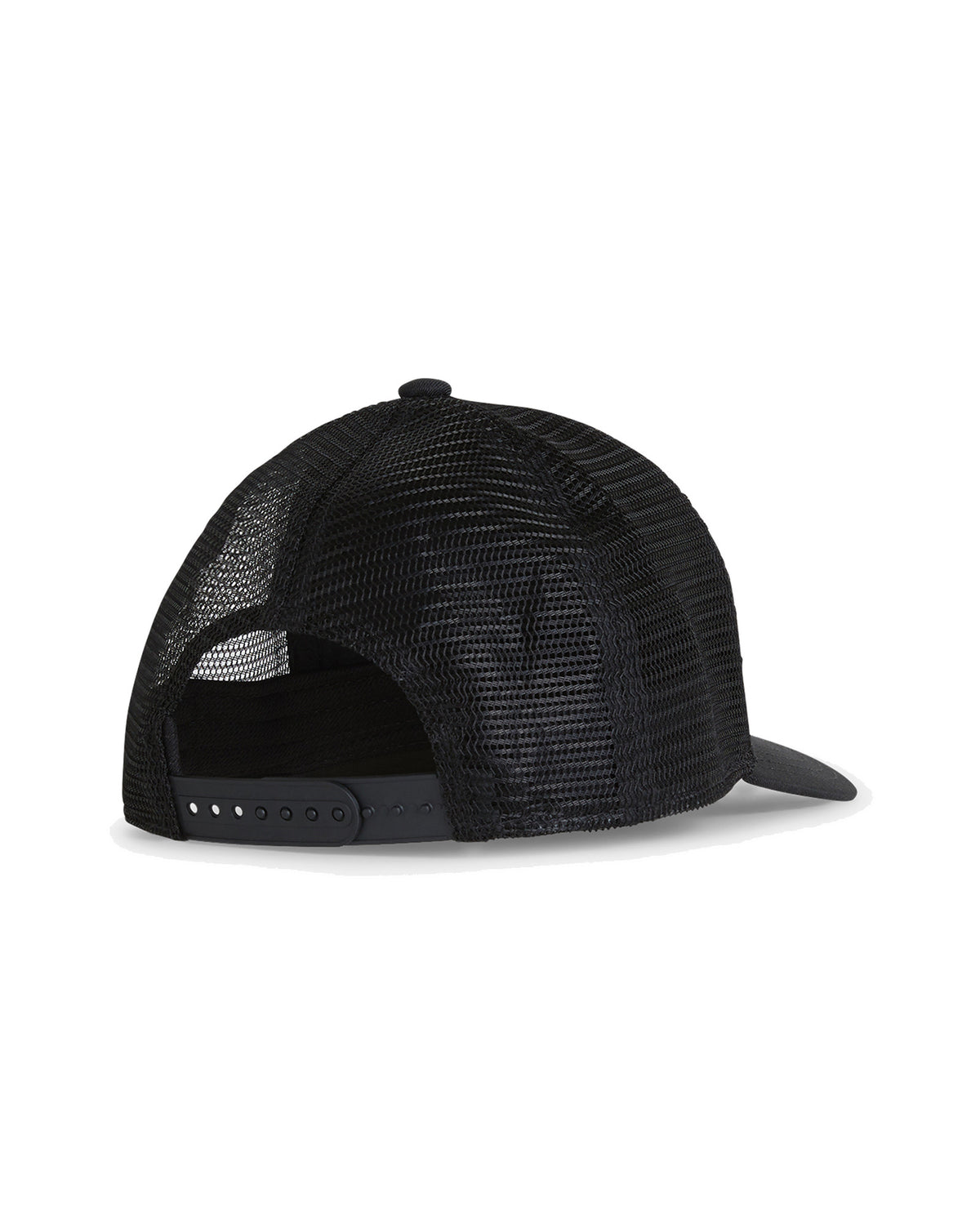
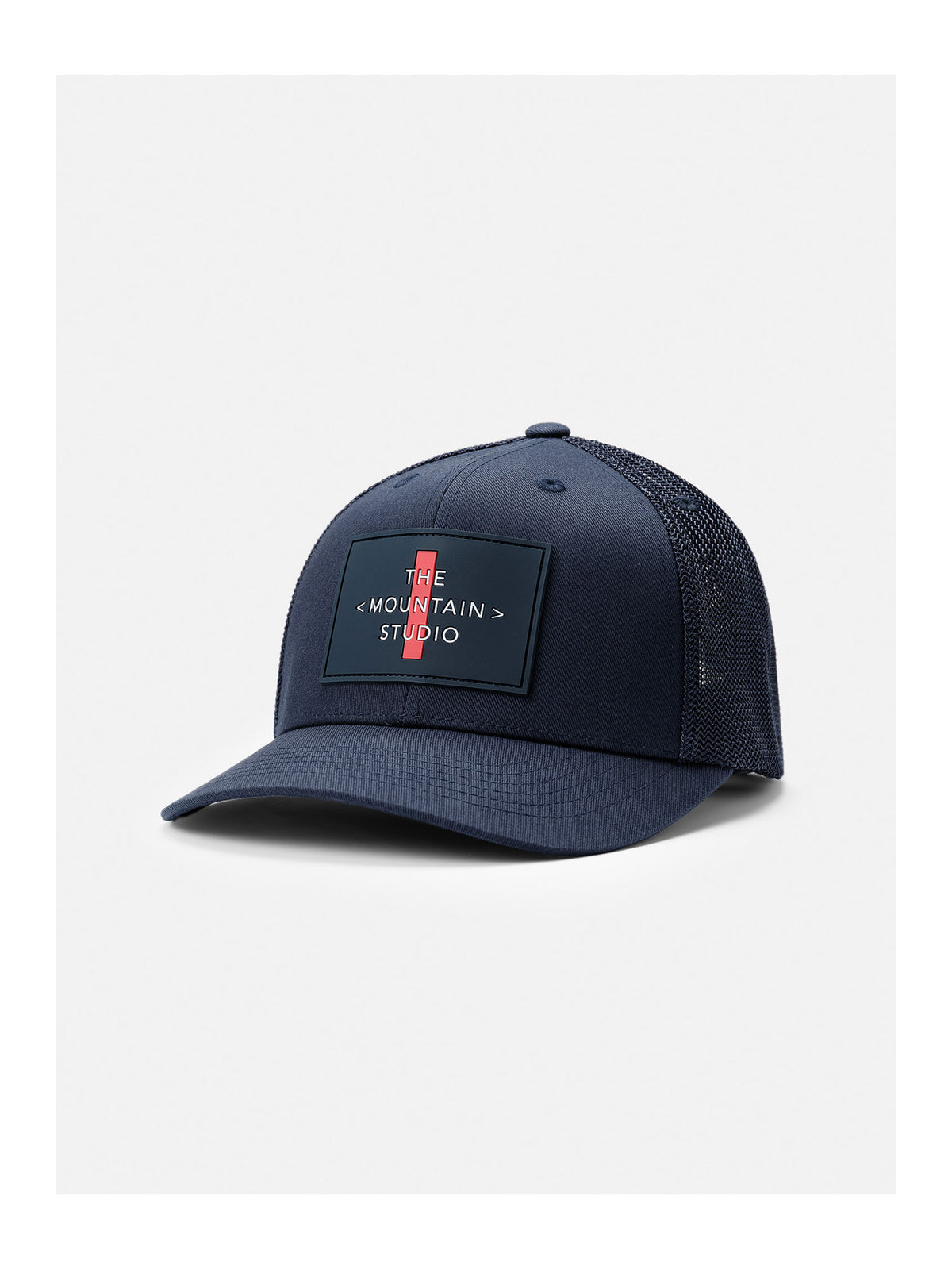
With a trucker cap, the combination of a pronounced front and an airy-looking back area is often striking. A mesh material can characterize the look and is visibly different from closed fabric. Nevertheless, you should consider the actual construction of the model: Not every cap with a sporty name has the same construction. For your selection, it is more helpful whether you are looking for a higher front, a firm brim, or a lighter feel.
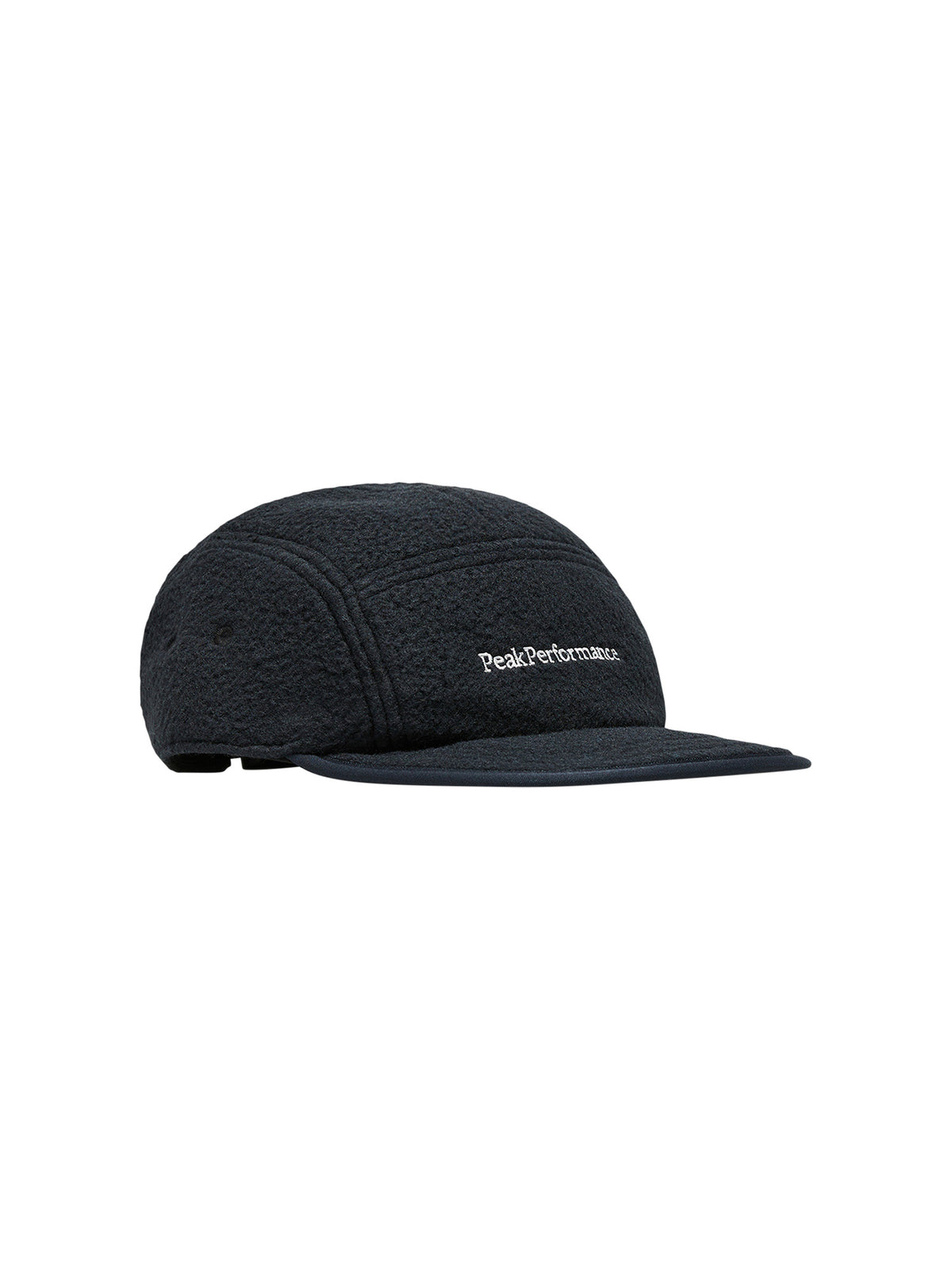
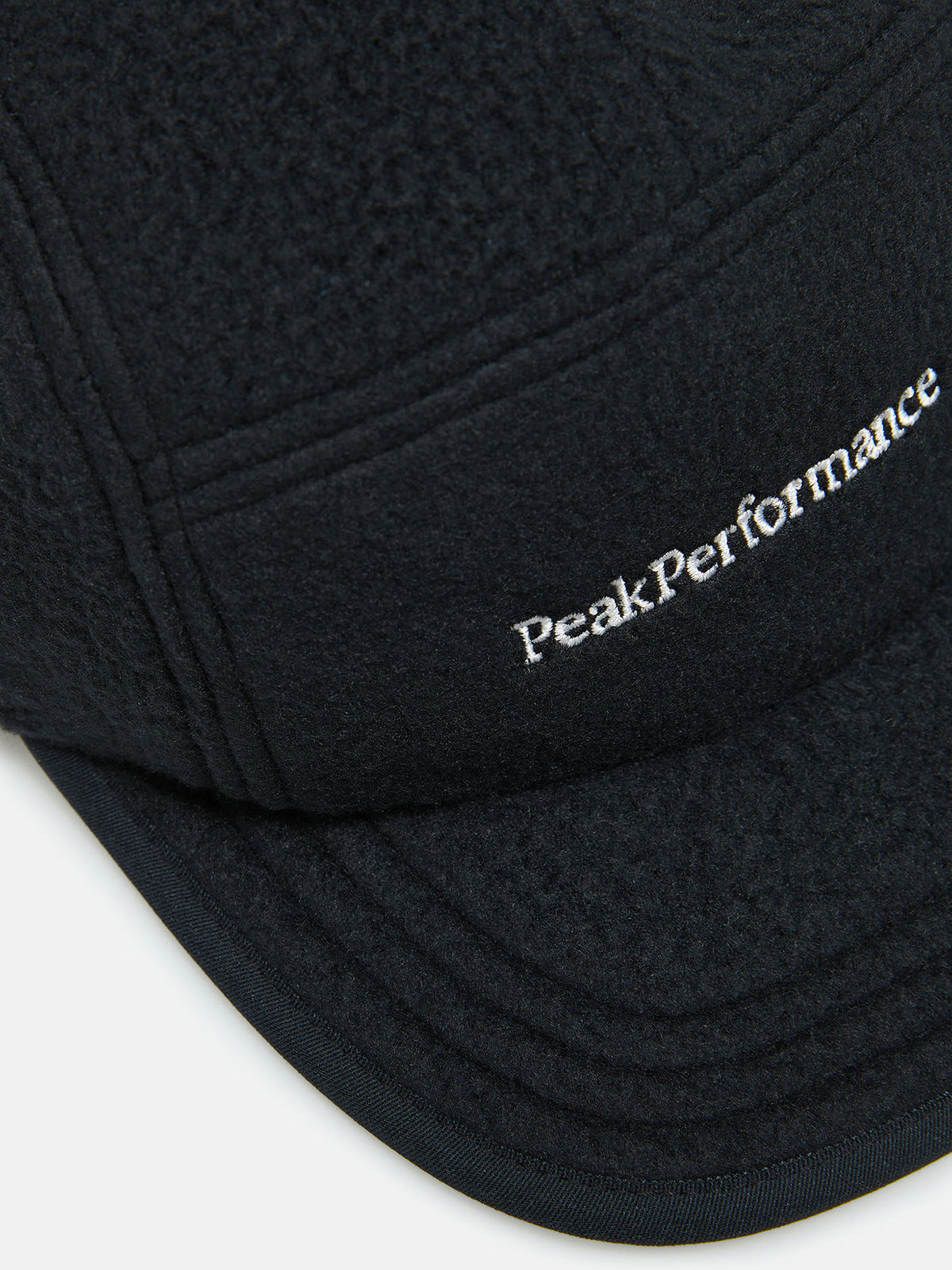
Caps made of corduroy or fleece set a different focus. Corduroy brings a recognizable structure to the look; fleece looks softer and seasonally different from a light textile summer cap. However, such materials do not automatically make a cap a waterproof head covering or a substitute for a warm hat. Choose the surface according to the desired style and the weather in which you primarily want to wear it.
Finding the Right Size and Depth
Start with the size indication and the described adjustment range. With an adjustable cap, there should be enough leeway so that it sits comfortably and you don't have to use the closure to its furthest extent. A very tight fit is not a reliable way to achieve hold. It can become uncomfortable on the forehead or temples. The cap should fit due to its shape and not just by being pulled tightly at the back of the head.
The depth of the crown influences where the bottom edge runs. If the cap sits too high, it may look as if it's just placed on top and moves more easily. If it sits very deep, it can interfere with the ears or sunglasses. Consider the headpiece, spectacle temples, and brim together. If you frequently wear glasses, this combination is a more important practical test than an isolated view of the cap.
The hairstyle also changes the available space. A braid can fit differently with a rear opening than with a fully closed model. This is not purely a question of size. If you plan different wearing styles, it is worth looking at the position and size of the opening and the shape of the closure. This way, you avoid an optically suitable cap becoming cumbersome in daily use.
Choosing the Brim According to Field of Vision and Style
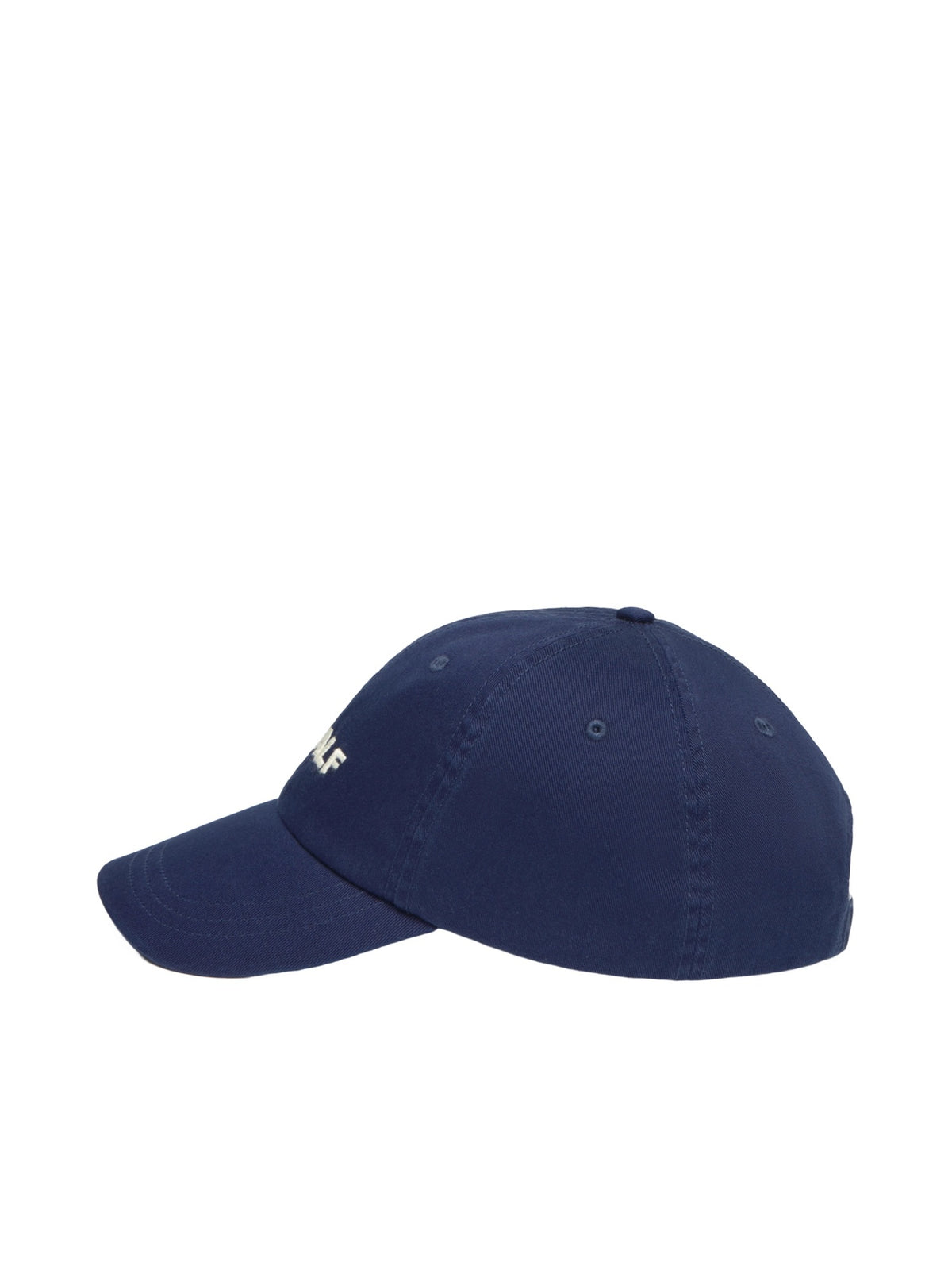
A more curved brim frames the face differently than a flatter shape. Width and length change both the proportion and the shaded area in front of the face. Therefore, do not compare the brim exclusively based on a frontal product image. A side view shows better how far it extends forward and at what angle it stands to the crown. The appropriate shape also depends on how deeply you wear the cap.
A brim can shade direct brightness in front of the eyes but is not complete sun protection for the head, face, and neck. A textile construction does not automatically have a designated UV protection performance. If specific protection information is important to you, it must belong to the respective model. A cap and suitable sunglasses perform different tasks; no property of the spectacle lenses can be derived from a long brim.
Do not deform a brim arbitrarily just because you like a different curve. Stiff inserts and seams are part of the construction. A model with the desired basic shape is usually the clearer choice than trying to force a strongly deviating silhouette afterwards. This applies particularly to firmly constructed fronts, whose relationship to the brim shapes the entire look.
Materials and Details for Your Use
For everyday use, grip, appearance, and care can be the most important criteria. With a lot of movement, hold and handling of moisture are added. Then pay attention to specifically described properties such as an inner band or airy areas. A light cap is not suitable for every sport just because of its weight. A loose closure or a very high front can feel different during movement than during a relaxed stroll.
If you combine the cap with sports clothing, it should match the activity. For a calm leisure look, on the other hand, a structured surface or reduced embroidery can be in the foreground. Details such as eyelets, seams, and closure material change both the impression and the handling. Consider them as part of the entire model, instead of deriving a general function from a single feature.
Combining Caps with Clothing and Accessories
A cap does not have to be exactly the same color as the top. You can pick up a tone from shoes, jacket, or bag and thus create a connection. With a simple T-shirt, a striking front acts as an eye-catcher. With several eye-catching garments, a calmer cap can hold the combination together. The distinction between sporty and everyday suitability often arises from material and shape, not solely from the brand.
For cooler days, a cap goes well with an open jacket or an overshirt, as long as the desired warmth comes from the other parts. If ears and the back of the head are to be covered more, beanies are a different, more targeted choice. A cap thus remains an independent form within the accessories and does not have to cover every weather condition.
Care and Storage Without Loss of Shape
The care label is particularly relevant for caps because the outer fabric, inner band, inserts, and closure can react differently. A general machine wash is not suitable for every construction. Remove dirt according to the manufacturer's instructions and avoid experiments with high heat. Especially a firm front or a shaped brim should retain its original silhouette. Even a soft outer fabric does not mean that all components can be treated equally.
Store the cap so that the brim is not permanently bent and the front is not compressed under heavy objects. For on the go, a softer model can be practical if its construction is suitable for storage. First decide between a flat or high shape, then by material, closure, and color. This creates a selection that not only convinces in the product image but also suits your preferred wearing style and frequently worn clothes.
04At FREUDENHAUS
05Questions about the category